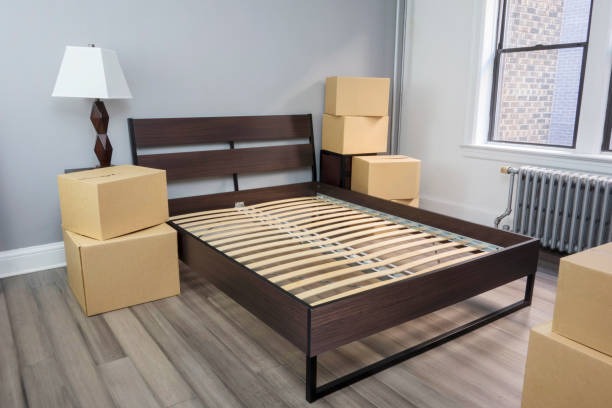
The furniture investment landscape has shifted dramatically in recent years, with consumers increasingly recognizing the long-term value proposition of premium bedroom furniture over disposable alternatives. A quality bed frame dandenong represents more than aesthetic enhancement, functioning as a fundamental component of sleep quality, structural integrity, and overall bedroom functionality that affects daily life quality for years or decades. Research from sleep science institutions demonstrates significant correlations between proper support systems and sleep quality metrics, while engineering studies reveal substantial differences in structural performance between quality construction and budget alternatives. Understanding the multifaceted benefits of quality bed frame investment enables informed decision-making that balances initial costs against long-term value creation and enhanced living experiences.
Structural Integrity and Long-Term Durability
Engineering analysis of bed frame construction reveals significant performance differences between quality manufacturing and budget alternatives that directly impact longevity and user safety. Premium bed frames typically utilize mortise and tenon joinery, dovetail connections, or welded metal construction that distributes load forces effectively across structural members, preventing joint failure and maintaining stability over extended use periods.
Material selection significantly affects structural performance characteristics, with solid hardwoods providing exceptional strength-to-weight ratios and natural flexibility that accommodates dynamic loading without failure. Quality metal frames utilize high-grade steel or aluminum alloys with appropriate wall thickness specifications that prevent deformation under normal loading conditions.
Load distribution mechanisms in quality frames prevent mattress sagging and extend mattress lifespan through proper support provision. Center support systems, slat spacing optimization, and proper edge reinforcement ensure even weight distribution that maintains mattress integrity and sleep surface quality over time. Poor support systems can reduce mattress lifespan by 30-50% through uneven wear patterns and structural compromise.
Quality construction typically includes reinforcement at stress concentration points such as corner joints, center supports, and attachment hardware locations. These engineering considerations prevent common failure modes including joint loosening, crack propagation, and hardware pullout that characterize lower-quality alternatives.
Sleep Quality Enhancement and Health Benefits
Proper spinal alignment during sleep depends significantly on stable, consistent support that quality bed frames provide through optimal mattress positioning and minimal movement transfer. Research from sleep medicine institutions indicates that stable sleep surfaces contribute to deeper sleep phases and reduced sleep disruption compared to unstable or noisy sleeping arrangements.
Noise elimination represents a critical factor in sleep quality maintenance, with quality bed frames engineered to minimize squeaking, creaking, and movement sounds that disrupt sleep cycles. Precision manufacturing tolerances, quality hardware, and proper joint design eliminate the movement-related noise issues common in budget construction.
Motion isolation characteristics vary substantially between frame designs, with quality construction minimizing movement transfer between sleeping partners. Proper joint design and structural damping reduce the transmission of movement vibrations that can disrupt partner sleep, particularly important for couples with different sleep schedules or movement patterns.
Ventilation considerations affect both mattress longevity and sleep comfort, with quality frames incorporating design features that promote airflow around mattresses. Slatted platforms, elevated designs, and appropriate clearances prevent moisture accumulation that can lead to mold growth, odor development, and premature mattress degradation.
Economic Value and Cost-Per-Use Analysis
Total cost of ownership calculations reveal that quality bed frames typically provide superior value propositions when evaluated over their functional lifespans. A premium frame costing $1,500 with a 20-year lifespan represents a daily cost of approximately 20 cents, while a $300 frame requiring replacement every 3-4 years results in higher long-term costs despite lower initial investment.
Mattress protection value extends beyond the frame investment, with proper support systems preventing premature mattress wear that could necessitate early replacement. Quality frames can extend mattress lifespan by 40-60%, representing substantial savings on mattress replacement costs that often exceed the initial frame investment differential.
Resale value retention distinguishes quality furniture from disposable alternatives, with well-constructed bed frames maintaining significant residual value that offsets initial investment costs. Premium brands and solid wood construction typically retain 40-60% of original value after several years of use, while budget alternatives become essentially worthless.
Maintenance cost considerations favor quality construction through reduced repair requirements and longer intervals between component replacement. Quality hardware, durable finishes, and robust construction minimize ongoing maintenance costs that can accumulate significantly over extended use periods.
Aesthetic Impact and Interior Design Value
Design longevity represents a crucial factor in furniture investment decisions, with quality bed frames typically featuring timeless design elements that remain aesthetically relevant across changing interior design trends. Classic proportions, quality materials, and refined details provide lasting visual appeal that transcends temporary fashion influences.
Room value enhancement through quality furniture contributes to overall property appeal and potential resale values. Well-appointed bedrooms with quality furniture create positive impressions that benefit both daily living experiences and property valuation considerations.
Customization opportunities available with quality manufacturers enable personalized design solutions that accommodate specific aesthetic preferences and functional requirements. Custom finishes, hardware options, and dimensional modifications provide design flexibility unavailable with mass-produced alternatives.
Integration capabilities with existing decor improve through quality furniture’s superior proportions and material authenticity. Solid wood grains, quality metal finishes, and proper scaling integrate more successfully with diverse interior design elements compared to synthetic materials and poor proportions common in budget alternatives.
Functional Performance and Storage Solutions
Storage integration in quality bed frames provides valuable space utilization through built-in drawers, lift-up platforms, or under-bed clearance optimization. These features add functional value that extends beyond basic sleeping accommodation, particularly important in smaller living spaces or apartments.
Assembly and disassembly capabilities affect mobility and relocation convenience, with quality frames typically designed for multiple assembly cycles without hardware degradation or joint wear. This durability proves valuable for renters or individuals who relocate frequently.
Weight capacity specifications in quality frames typically exceed standard requirements, providing safety margins for diverse users and additional loading such as reading, laptop use, or children’s play activities. Premium frames often support 300-500 kg distributed loads compared to 150-200 kg limits common in budget alternatives.
Compatibility with diverse mattress types and adjustable base systems provides flexibility for changing sleep preferences or health requirements. Quality frames accommodate memory foam, latex, traditional spring, and adjustable mattress systems without modification or performance compromise.
Environmental Considerations and Sustainability
Sustainable material sourcing practices among quality manufacturers contribute to environmental responsibility while ensuring material authenticity and performance characteristics. Certified wood sources, recycled metal content, and responsible manufacturing processes align with contemporary environmental awareness.
Longevity benefits reduce environmental impact through decreased replacement frequency and associated manufacturing, transportation, and disposal requirements. A single quality bed frame replacing 4-5 budget alternatives over its lifespan significantly reduces cumulative environmental impact.
Local manufacturing support through quality furniture purchases contributes to regional economic sustainability while reducing transportation-related environmental costs. Local production also enables better quality control and customer service compared to imported alternatives.