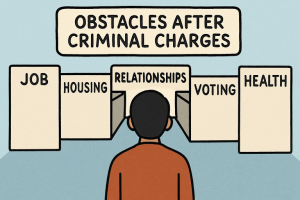
Legal disputes rarely stay confined to paperwork and court dates. They tend to seep into daily routines, affecting health, mood, spending habits, and even how you unwind at the end of the day. Whether a case stems from an accident, a contract issue, or another civil matter, the waiting period can feel especially draining. Life continues, but with an added layer of uncertainty that makes simple decisions feel heavier than usual.
This is where balance becomes essential. Understanding how legal and financial pressure interacts with health, entertainment, and everyday choices helps you protect your well being while navigating a situation that may take time to resolve.
The Hidden Health Toll of Ongoing Legal Matters
Stress is one of the most common side effects of prolonged legal issues. Deadlines, medical documentation, phone calls, and financial concerns all compete for attention. Over time, chronic stress can affect sleep, appetite, focus, and immune response.
Health experts consistently point out that unmanaged stress contributes to both physical and mental health challenges. The Centers for Disease Control and Prevention explains how prolonged stress can increase the risk of conditions such as anxiety, depression, and cardiovascular strain. Recognizing these effects early allows you to take preventive steps rather than reacting once exhaustion sets in.
Simple habits matter. Regular sleep schedules, light physical activity, and structured meals support resilience even when larger circumstances feel unpredictable.
Entertainment as a Coping Tool, Not an Escape
Entertainment often gets framed as optional or indulgent, especially during financially uncertain times. In reality, healthy leisure plays a meaningful role in emotional regulation. Watching a favorite show, listening to music, or engaging with a hobby offers mental rest that improves focus and decision making.
The key is intentionality. Entertainment works best as a coping tool when it is chosen consciously rather than used to avoid responsibilities. Setting aside specific times for relaxation helps maintain routine and prevents guilt or overuse.
Research from the National Institutes of Health highlights how leisure activities contribute to reduced stress and improved mood, supporting overall health during challenging periods.
Budget Conscious Enjoyment During Financial Uncertainty
Legal cases often introduce financial unpredictability. Medical expenses, reduced work hours, or delayed reimbursements can tighten budgets. This reality does not mean eliminating enjoyment altogether. It does mean adjusting how and where money is spent.
Low cost entertainment options can be just as fulfilling. Libraries, free streaming trials, community events, and at home activities offer variety without strain. Being selective rather than restrictive keeps life enjoyable while respecting financial boundaries.
The Consumer Financial Protection Bureau encourages consumers to prioritize essential expenses while finding sustainable ways to manage discretionary spending during financial stress.
Travel, Planning, and Psychological Relief
Travel often symbolizes freedom and reset, which is why legal uncertainty can make postponed trips feel especially disappointing. While immediate travel may not be practical, planning future experiences can still provide psychological relief.
Researching destinations, organizing itineraries, or tracking travel rewards shifts focus toward possibility rather than limitation. This forward looking mindset supports emotional balance without requiring immediate spending.
When the time comes to book, understanding consumer protections around travel helps avoid added stress. The U.S. Department of Transportation offers guidance on airline consumer rights and transparency.
How Legal Finance Touches Everyday Life
While legal strategy unfolds, daily expenses continue. Housing, food, transportation, and health costs do not pause. This mismatch often leads people to explore ways to bridge financial gaps tied to an unresolved case.
At some point in this process, Pre Settlement Funding may enter the conversation. Although typically discussed in legal terms, its real impact shows up in daily life, whether someone can maintain routines, cover basic expenses, or avoid drastic lifestyle changes. Understanding how such arrangements work, including fees and repayment structure, helps place them in context rather than viewing them as abstract legal tools.
The American Bar Association has published discussions on third party litigation funding and related ethical considerations, offering perspective on how these arrangements intersect with legal practice.
Real Estate, Stability, and Peace of Mind
Housing stability plays a major role in emotional well being during legal stress. Rent or mortgage payments represent a significant portion of monthly expenses, and uncertainty around income can amplify anxiety about housing security.
Avoiding impulsive housing decisions is important. Selling property, breaking leases, or relocating during high stress periods often creates more disruption than relief. Short term adjustments, such as renegotiating timelines or reducing non essential expenses, may provide breathing room without permanent change.
The U.S. Department of Housing and Urban Development offers consumer guidance on housing rights and assistance programs. Knowing what protections exist supports calmer decision making.
Automotive Needs and Everyday Mobility
Transportation is another area where legal issues quietly influence daily life. Medical appointments, work commutes, and errands continue regardless of case status. Vehicle repairs or replacement decisions can feel urgent, especially after an accident.
Maintaining reliable transportation supports independence and reduces stress. While upgrades may wait, safety related maintenance should not. The National Highway Traffic Safety Administration provides consumer resources on vehicle safety and maintenance priorities.
Thinking in terms of safety and function rather than convenience helps prioritize expenses during uncertain periods.
Technology as a Support System
Technology often becomes a quiet ally during legal and financial challenges. Budgeting apps, calendar reminders, telehealth platforms, and streaming services all support structure and accessibility.
Used thoughtfully, these tools reduce friction. Telehealth visits save travel time. Digital reminders prevent missed appointments. Streaming platforms provide low cost entertainment at home. The key is choosing tools that simplify life rather than adding complexity.
Technology should support well being, not become another source of pressure to optimize every detail.
Education and Emotional Grounding
Learning plays an unexpected role during legal uncertainty. Understanding how the legal process works, how finances are structured, or how stress affects health reduces fear of the unknown.
Educational resources from government and nonprofit organizations provide neutral, reliable information. USA.gov connects users to a wide range of consumer education materials, including legal aid and financial counseling.
Knowledge does not eliminate uncertainty, but it replaces confusion with clarity, which is often enough to lower stress.
Creating a Sustainable Daily Rhythm
One of the most effective ways to manage prolonged uncertainty is through routine. Regular wake times, meals, work blocks, and relaxation periods create predictability when external timelines remain unclear.
This rhythm supports mental health and preserves energy. It also helps prevent burnout, which can make even small challenges feel overwhelming.
Balance does not mean perfection. It means allowing space for both responsibility and rest without guilt.
Moving Forward With Awareness
Legal disputes test patience and resilience. They affect finances, health, and lifestyle in ways that are not always obvious at first. Paying attention to these intersections helps you navigate the experience with greater steadiness.
By prioritizing health, maintaining thoughtful entertainment habits, and staying informed through authoritative sources, you protect both well being and decision making capacity. Financial tools and legal strategies have their place, but daily life remains the foundation that supports everything else.
Uncertainty may linger, but balanced routines and informed choices provide stability while waiting for resolution.