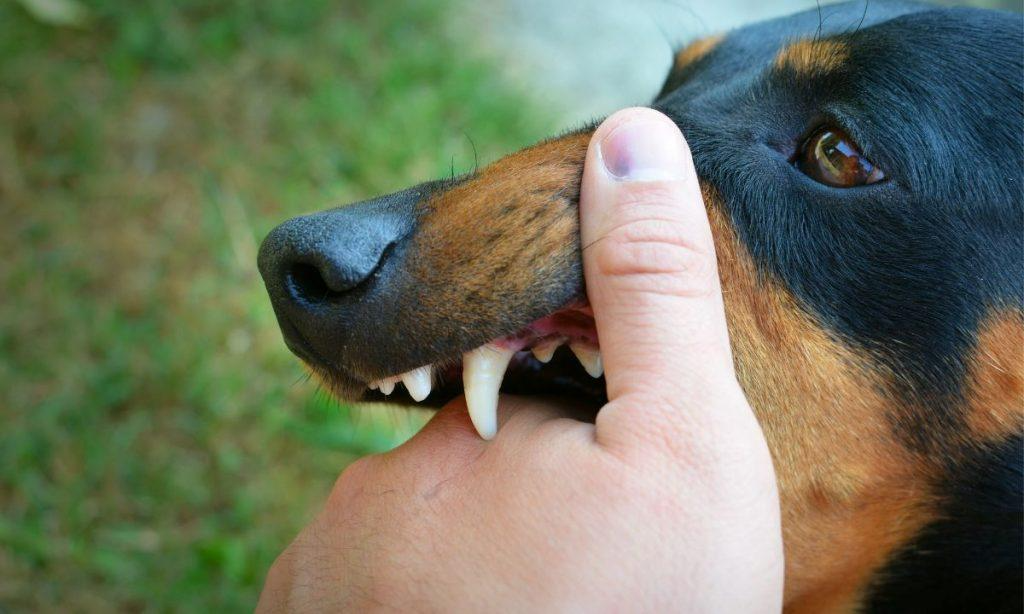
In the United States, about 4.5 million people get bitten by dogs every year. Out of those, more than 800,000 need medical care, and sadly, children are the group most often hurt.
These bites usually cause puncture wounds since dogs have strong jaws and sharp teeth. Because of this, many families look for ways to hold dog owners responsible, and having legal representation for dog bite cases can usually help in this regard.
Lawyers usually use different strategies to prove that the owner of the dog is liable, or legally responsible, for the injuries. Let’s go through the top five strategies lawyers use to prove liability in dog bite claims.
If you or someone you know ever faces such a situation, having it can always make all the difference. Now let’s go through the five main strategies lawyers use.
Using Leash Law Violations as Powerful Evidence
Almost every city and town has rules about how dogs must be kept on leashes or inside safe spaces. When someone ignores those rules and their dog hurts another person, the violation itself becomes evidence of negligence.
Lawyers call this negligence per se, which basically means if someone broke a safety law and the exact type of harm that law was supposed to prevent happens, then proving fault becomes much easier.
Gathering Detailed Evidence Right After the Bite
Lawyers often tell clients to take clear photographs of their injuries, and these pictures usually cover puncture wounds, scratches, and bruises from multiple angles. They also recommend snapping pictures of the location where the bite happened and even the dog itself if it’s safe to do so.
Medical records and witness testimony are another set of indisputable evidence that the lawyer uses for the case. A good lawyer makes a good collection of these details and then uses them to paint a full picture for the court of how the attack unfolded and why the owner should be held responsible.
Identifying the Dog’s True Owner or Keeper
In some situations, the person who’s actually legally responsible for the bite might be in question. It’s not always the dog’s owner. It could be the person walking the dog, a pet sitter, or even a kennel that had the dog in their care at the time.
It is the lawyer’s job to figure out exactly who was in charge of the animal when the bite occurred. If the wrong person is blamed, the case can fall apart, so they make sure to find the accurate person.
Checking for Violations of Animal Control Laws
Most towns and states have rules about how dogs should be handled. Think leash laws, fencing requirements, or rules about keeping dangerous breeds under control.
Take Louisiana, for example. The law there makes dog owners strictly responsible if their dog hurts someone, unless the person clearly provoked the dog. That means if a dog bites you while you’re just walking down the street, the owner usually can’t argue their way out of it.
If a lawyer can point to a law the owner ignored, that makes the case much stronger. Judges and juries tend to see it as simple: the rule was broken, and someone got hurt.
Proving Negligence Through Actions and Behavior
Some states operate under the strict liability code, which basically means the owner is on the hook no matter what, unless you were trespassing or provoking the dog.
Other states take the negligence route. That means the lawyer has to show the owner wasn’t being responsible. For example, maybe the dog had a history of being aggressive with people in the neighborhood but was still left roaming free in the yard. Or maybe the owner ignored leash rules in a park where there were also other people present.
In situations like this, a lawyer looks at what happened and shows that careless choices by the owner caused the injury.
Summary Points
- Breaking a leash law is often strong evidence that the owner was negligent.
- Photos, medical records, and witness statements are solid evidence in a dog bite case.
- Having a lawyer who knows this kind of case gives you the best chance of getting fair compensation.