Key Takeaways
- Simple lifestyle changes can dramatically reduce allergy symptoms and improve quality of life.
- A clean, well-maintained home is crucial for reducing allergens like dust and pet dander.
- Integrating anti-inflammatory foods and managing stress helps support a resilient immune system.
Every year, millions grapple with the disruptive symptoms of allergies, making daily life uncomfortable and unpredictable. The good news is that effective management is possible with smart, proactive measures, allowing you to live well despite allergies. Consulting an allergy doctor Austin at the first sign of persistent symptoms is critical for accurate diagnosis and targeted treatment. Identifying common allergens and adapting your surroundings and habits go a long way toward comfort and relief. This guide provides actionable strategies, from making your home allergy-friendly to choosing inflammation-fighting foods and managing stress. Whether you suffer from seasonal allergies or year-round triggers, understanding your options is the foundation of successful allergy management.
Understanding Common Allergens
Allergens are substances that provoke unwanted immune responses, leading to symptoms such as sneezing, itching, congestion, and watery eyes. Indoor culprits include dust mites, pet dander, and mold spores, while outdoor allergens mainly stem from pollens produced by trees, weeds, and grasses. Individuals can experience symptoms from one or multiple sources, and pinpointing your unique triggers through observation or medical testing is the first essential step in allergy management, as explained in this WebMD guide on allergy basics. Once your triggers are identified, targeted avoidance and lifestyle modifications become far more effective. Allergy prevention is rarely about avoiding just one thing; rather, it involves small everyday actions that add up to meaningful relief.
Creating an Allergy-Friendly Home
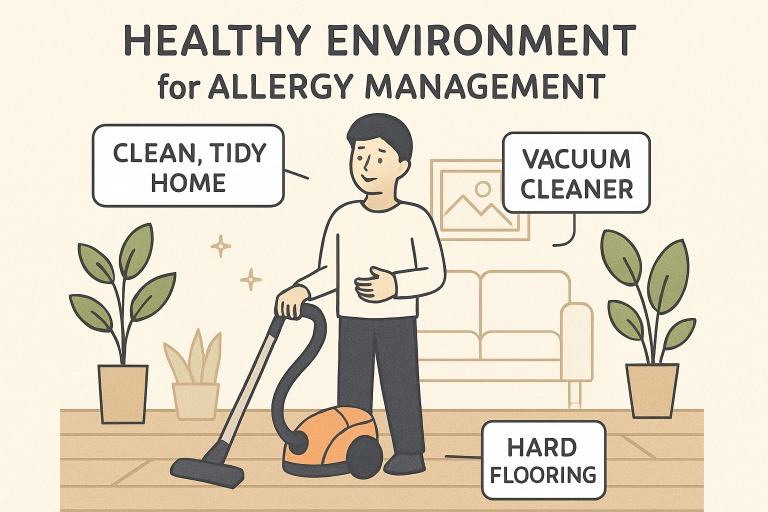
A clean-living space is foundational to minimizing allergy symptoms. Regular vacuuming with a HEPA-filter vacuum helps keep dust mites and pet dander low, especially in bedrooms and living areas where you spend the most time. Hard flooring such as hardwood, laminate, or tile is easier to clean and doesn’t trap allergens the way carpet does. Consider replacing wall-to-wall carpet with easier-to-clean surfaces wherever possible.
Mold thrives in damp environments. Using dehumidifiers in moisture-prone rooms, such as basements and bathrooms, and ensuring good ventilation reduces the potential for mold growth a major trigger for sensitive individuals. Wash bed linens, curtains, and soft furnishings in hot water at least once a week to further reduce allergen accumulation throughout the home.
Managing Outdoor Exposure
Outdoor allergens fluctuate with the seasons, but you can take steps to limit their impact. Pollen counts are typically highest during early morning and late afternoon. Planning outdoor activities for midday and keeping windows shut during peak times helps keep pollen at bay. Using central air conditioning with a clean filter further reduces the introduction of outdoor allergens into the home.
After time outside, shower and change clothing promptly to avoid bringing pollen into your home and onto furniture.
Dietary Considerations
Eating a balanced, nutrient-rich diet supports overall immune health and can directly contribute to allergy relief. Anti-inflammatory foods have been shown to help moderate the severity of allergic reactions, especially those rich in omega-3 fatty acids—such as salmon, walnuts, and flaxseeds. Additionally, natural enzymes found in pineapple (bromelain) and papaya (papain) may help break down histamines, lessening the body’s allergic responses.
Some individuals with pollen allergies develop sensitivities to certain raw fruits and vegetables. Keep a food diary and consult with a healthcare provider or nutritionist if you notice oral itching or swelling after eating, as this may signal oral allergy syndrome.
Stress Management
Chronic stress can weaken immune resilience and trigger more frequent or intense allergy symptoms. In fact, stress doesn’t just affect your immune system; it can also take a toll on your skin, exacerbating inflammation and other reactions, as discussed in Medical News Today. Integrating stress-reduction techniques into your daily routine, such as yoga, mindfulness meditation, or even simple breathing exercises, can significantly improve comfort and reduce symptom frequency.
Regular exercise, adequate sleep, and relaxation strategies not only help moderate immune responses but also contribute to overall physical and mental well-being, making you better equipped to tackle allergen exposures as they arise.
Medical Interventions
For many, over-the-counter antihistamines and nasal corticosteroids provide fast relief from allergy discomfort. Oral and topical options are increasingly effective and come with fewer side effects than older medications. For those with ongoing or severe symptoms, seeing a healthcare provider is key. Prescription treatments such as allergy immunotherapy (“allergy shots”) can significantly reduce sensitivity to specific allergens over time, offering long-term benefits and even the potential for symptom remission.
Find that your symptoms are worsening or not responding to common treatments. A specialist can help tailor a plan that may include advanced testing, medication management, and lifestyle guidance personalized to your unique sensitivities.
Conclusion
Living with allergies is all about understanding your triggers and making practical adjustments that keep symptoms under control. From maintaining a clean home and eating anti-inflammatory foods to incorporating stress-reducing habits and seeking expert care when needed, you can make every day more comfortable. For persistent or severe allergies, always consult a healthcare professional for specialized advice and ongoing support. Proactive, informed steps empower you to lead a vibrant, symptom-free life.