Key Takeaways
- Integrating smart technologies in real estate enhances operational efficiency and tenant satisfaction.
- Sustainable building practices lead to significant cost savings and increased property value.
- Data-driven decision-making is crucial for optimizing real estate investments.
Table of Contents
- Introduction
- Embracing Smart Building Technologies
- Sustainable Practices for Long-Term Value
- Data-Driven Decision-Making in Real Estate
- Case Studies of Successful Implementations
- Challenges and Considerations
- Future Trends in Smart Real Estate
- Conclusion
The real estate market is more competitive than ever, requiring property owners and investors to make informed, forward-thinking choices when managing their assets. Leveraging smart technology, sustainability strategies, and data analytics not only streamlines operations but also builds enduring value, distinguishes properties in the marketplace, and ensures higher tenant satisfaction. Among industry leaders, West Palm Beach real estate experts Renny Realty demonstrate how expert insight can create a strategic advantage in a changing landscape.
Modern real estate thrives on innovation, where the convergence of intelligent building systems, environmentally responsible construction, and actionable data drives superior performance. As property technologies continue to evolve rapidly, adapting to these advancements is crucial for both maximizing investment returns and meeting tenant expectations for comfort and efficiency.
This article examines best practices and successful case studies, revealing how decision-makers can create lasting value through deliberate, data-driven approaches to property management. From smart automation to eco-friendly retrofits, multi-dimensional strategies are essential for securing your asset’s future relevance and profitability.
Whether you own commercial real estate, rental apartments, or mixed-use developments, focusing on smart solutions and sustainable frameworks provides measurable benefits, including reduced expenses, higher occupancy, and stronger asset appreciation.
Embracing Smart Building Technologies
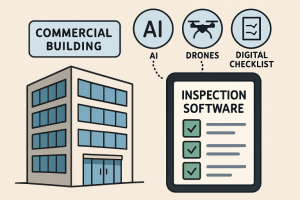
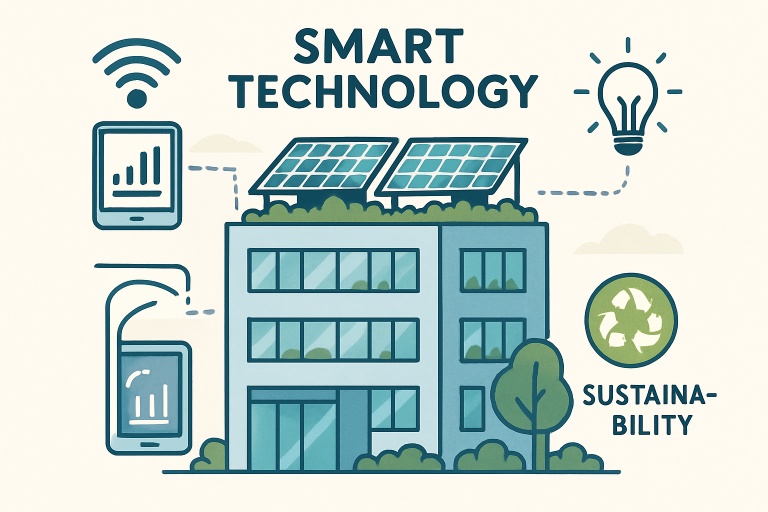
Smart building technologies refer to integrated systems that automate energy, lighting, security, and climate controls. Adoption of these features can transform property management by reducing manual oversight and identifying inefficiencies in real-time. Automated HVAC systems, occupancy sensors, and AI-enabled solutions help property managers identify trends, control consumption, and respond promptly to issues, resulting in enhanced tenant experiences and noticeable cost savings.
According to a Forbes article, smart buildings can reduce operating expenses by as much as 17%, while improving space utilization and creating safer, more comfortable environments. As a result, technology-driven properties are increasingly sought after by both corporate and residential tenants, making technological upgrades a key driver of asset value.
Sustainable Practices for Long-Term Value
Sustainability is no longer a “nice-to-have” it’s a central component of resilient real estate portfolios. Energy-efficient retrofits, water-saving technologies, and green certifications (such as LEED or ENERGY STAR) go beyond regulatory compliance; they provide hard financial benefits. Properties recognized for their environmental performance can command rents that are more than 37% higher than those of non-certified competitors, according to a CNBC report.
Long-term savings from sustainable investments are realized through tax incentives, operational efficiency, and lower vacancy rates, as eco-conscious tenants increasingly favor environments that align with their personal and corporate values. Integrating renewable energy sources and smart water management is becoming a standard for future-focused developments.
Data-Driven Decision-Making in Real Estate
Effective real estate decision-making relies on access to reliable and actionable data. With the advent of the Internet of Things (IoT), sensors capture insights about building performance, occupancy, and maintenance needs. Analyzing this data enables property managers to identify patterns, optimize energy usage, and refine tenant amenities based on demand, thereby supporting both operational and financial objectives.
Transparent data analytics reduce guesswork, resulting in more effective maintenance planning, improved predictive budgeting, and more accurate risk assessments. Property owners can prioritize upgrades with the best ROI, proactively address issues before they escalate, and substantiate value enhancements during appraisals or sales. Tech-enabled decision-making is reshaping portfolio management, enabling owners to compete more effectively.
Case Studies of Successful Implementations
Several organizations have realized substantial gains from strategically integrating technology and sustainability. For instance, a historic commercial property in Chicago underwent a comprehensive smart retrofit, updating its lighting, HVAC, and monitoring systems. The result was a measurable decrease in utility costs, an increase in property value, and improved tenant retention.
Similarly, a West Coast office campus adopted green roofs, water-efficient landscaping, and robotic cleaning systems. Over the course of five years, the property reduced operating expenses while maintaining a 98% occupancy rate, demonstrating that sustainable and smart innovations are not just aspirational they are achievable and highly beneficial.
Challenges and Considerations
Despite the clear advantages, integrating smart systems and sustainable practices comes with notable challenges. The upfront costs for retrofitting or new installations often concern investors. Furthermore, compatibility issues between existing infrastructure and new technologies, as well as the need for staff training, can complicate the transition.
Data security is another key consideration, as the increasing number of connected devices heightens potential vulnerabilities. Experts recommend working with trusted vendors and adopting best-in-class cybersecurity measures. Many municipalities and states offer incentives, grants, or financing programs to help offset costs and encourage environmentally responsible construction, making the transition less daunting for forward-looking property owners.
Future Trends in Smart Real Estate
Looking ahead, real estate is poised for even more transformative changes. Emerging technologies such as artificial intelligence, blockchain for transaction security, and machine learning-powered analytics are poised to revolutionize how buildings are managed and valued. Predictive maintenance, powered by AI, virtual leasing offices, and blockchain-based contracts, streamlines processes, offering remarkable efficiency and transparency.
Staying informed and adopting these innovations early is paramount to maintaining a competitive edge and future-proofing investments. Savvy property owners are already partnering with experts in proptech to pilot new solutions and secure lasting value in their portfolios.
Conclusion
Building long-term value in real estate requires more than traditional asset management; it demands a proactive approach to embracing technology, sustainability, and data-driven strategies. Navigating this landscape with the support of real estate experts ensures best-in-class outcomes that prioritize efficiency, occupancy, and appreciation. As the real estate landscape evolves, those who innovate now will establish the benchmark for asset performance and profitability in the years to come.