Key Takeaways
- Enhancing curb appeal and staging your home can significantly attract potential buyers.
- Proper pricing and strategic marketing are crucial for a swift sale.
- Understanding and disclosing your home’s condition builds trust and facilitates smoother transactions.
Table of Contents
- Enhancing Curb Appeal
- Staging Your Home
- Pricing Strategically
- Marketing Effectively
- Disclosing Home Conditions
- Timing Your Sale
- Negotiating Offers
- Closing the Deal
Selling your home can be a stressful and time-consuming process, but with the right strategies, you can streamline your experience and achieve the results you want. From preparing your property for buyers to negotiating the best deal, it’s essential to take thoughtful steps at every stage. For homeowners seeking a hassle-free sale, services like https://www.brendanbuyshouses.com/ offer direct solutions tailored to your needs, eliminating traditional listing headaches.
Each decision from your initial preparations to final negotiations impacts how quickly and profitably your home will sell. Understanding the selling process, leveraging professional advice, and staying proactive about disclosures and home presentation help earn the confidence of buyers and secure favorable terms.
Modern technology has provided sellers with new opportunities to reach a wider audience of buyers and maximize their home’s value. High-quality listings, effective social media promotion, and even virtual showings can set your property apart. By combining smart pricing, transparency, and carefully timing your sale, you can move forward with confidence and achieve a smooth transaction.
With these actionable steps, homeowners can simplify the complexities of selling and navigate the entire process more efficiently. Consider reading additional tips and success stories shared at https://www.brendanbuyshouses.com/ for further insights into making your sale a success.
As you prepare to list your home, it is equally important to review market data and stay informed about best practices from significant real estate resources, such as Zillow’s Seller’s Guide, which offers valuable information for both first-time and experienced sellers.
Enhancing Curb Appeal
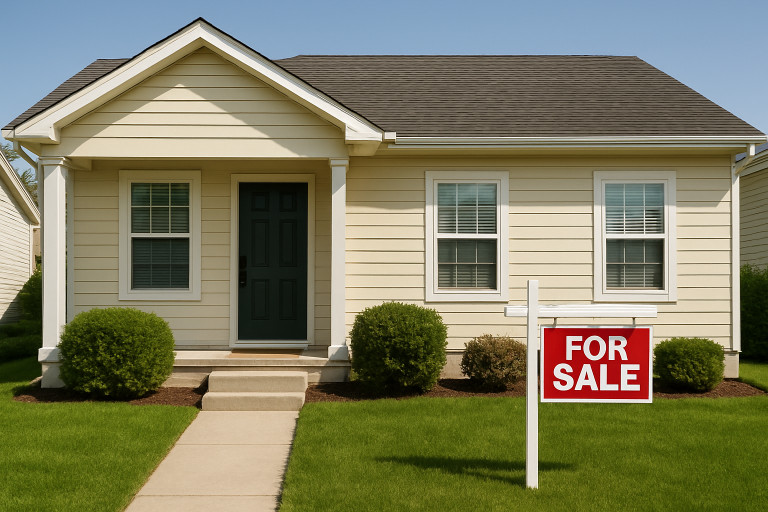
First impressions matter immensely when selling a home. Potential buyers often make judgments within seconds of arriving at your property, so taking time to enhance your home’s exterior is invaluable. Simple improvements, such as repainting the front door, refreshing or adding landscaping, and repairing fences, can have a striking impact. Small details—such as clean walkways, updated house numbers, or a new mailbox—can set a welcoming tone and demonstrate to buyers that the property has been well-maintained.
Staging Your Home
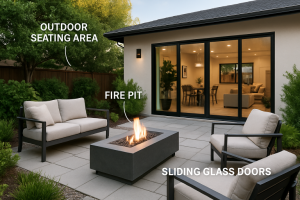
Staging is one of the most effective ways to present your home’s potential and attract strong offers. Professional stagers or savvy sellers often recommend decluttering and depersonalizing the space so buyers can easily envision themselves living there. Arrange furniture to create a sense of spaciousness and flow, highlight key features like natural light, and add fresh touches like flowers or neutral décor. According to the National Association of Realtors, staged homes not only sell faster but often command higher prices.
Benefits of Decluttering and Rearranging
Reducing clutter helps rooms appear larger and more inviting, while rearranging furniture for optimal space use can transform even small or oddly shaped rooms. Ensure closets, cabinets, and other storage areas look organized, as discerning buyers will peek behind closed doors. This step makes a lasting impression and signals meticulous attention to detail.
Pricing Strategically
Setting an appropriate listing price may be the most crucial decision in the home-selling process. A home priced too high can sit unsold, while underpricing may result in lost revenue. To find the right price, research properties similar to yours (comparables) in your neighborhood, evaluate current market trends, and consult with a knowledgeable real estate agent. Proper pricing not only attracts more buyers but can also spark competitive offers to drive value higher.
Consider studying seasonal patterns and buyer demand through resources like Realtor.com’s guide on selling fast for insight on maximizing your outcome based on local and national market conditions.
Marketing Effectively
Effective marketing goes far beyond a yard sign. Today’s buyers overwhelmingly search online, so investing in high-quality photography, creating virtual tours, and crafting detailed yet appealing descriptions are essential. Utilize social media, local groups, and major listing sites to maximize your home’s exposure. If possible, hiring a professional photographer ensures your listing stands out with crisp, well-lit images that showcase your home’s strengths.
Disclosing Home Conditions
Complete transparency about your home’s condition is vital. Not only is disclosure often legally required, but it also builds credibility with buyers. Repair or address issues you’re aware of—or disclose them honestly—so potential buyers understand precisely what they’re considering. This open approach helps avoid surprises during inspection and negotiation, giving buyers confidence in your honesty and leading to smoother sales.
Timing Your Sale
Timing can be a critical factor in how long your home sits on the market and the price you ultimately receive. While conventional wisdom suggests that spring and early summer are the most active periods for buyers, individual market dynamics, local demand, and broader economic factors all play roles. Stay updated on regional trends and adjust your plans accordingly if market activity shifts, consulting with your agent about recent sales and hot-selling periods in your area.
Negotiating Offers
The initial offer often sparks a negotiation process. Review each offer carefully, considering not just the price but also contingencies, closing timelines, and requested concessions. Know your priorities whether it’s a faster sale, flexible move-out, or the highest price and be ready to make strategic compromises. Good negotiation skills and clear communication can lead to a win-win situation, securing strong terms while maintaining a positive relationship with buyers.
Closing the Deal
Once everything is agreed upon, the closing phase involves appraisals, final inspections, and signing paperwork to transfer ownership. Remaining organized, responding promptly to requests, and working closely with your agent and escrow officer all help to avoid last-minute surprises and delays. Preparing ahead with all necessary documentation ensures a smooth final stretch. It allows you to hand over the keys with confidence, knowing your transaction has been professionally managed from start to finish.