Table of Contents
- Why People Sell Homes Quickly
- Preparing Your Home for a Fast Sale
- Choosing the Best-Selling Method
- Setting the Right Price
- Marketing Your Home Effectively
- Navigating Offers and Negotiations
- Understanding Closing Processes and Timelines
- Conclusion
Why People Sell Homes Quickly
Homeowners often seek a fast sale due to life changes such as job relocations, family needs, or financial pressures. In a shifting housing market, selling swiftly can help you avoid months of uncertainty and reduce holding costs. For many local sellers, receiving a cash home offer in Waipahu can be a straightforward way to bypass listing delays and get funds quickly. Whether your home needs repairs or you’re seeking a hassle-free transaction, acting quickly can reduce stress and make the process more predictable. Homes sell at different rates due to economic trends and personal circumstances, and a fast sale minimizes expenses and offers peace of mind. Speed matters if managing multiple homes, facing foreclosure, or buying another property. The New York Times reports market changes have led more people to pursue accelerated sales and flexible solutions.
Preparing Your Home for a Fast Sale
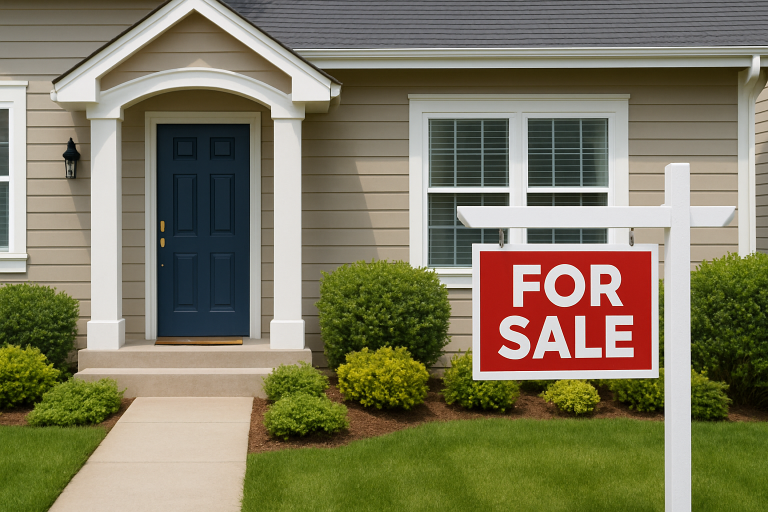
First impressions are crucial in selling a home. Clean and declutter every room, address minor repairs, and enhance curb appeal with hedge trimming, lawn mowing, and fresh mulch. Neutral paint colors and updated fixtures create a modern, welcoming interior. Consider staging key rooms like the living room and master bedroom to help buyers envision themselves in the space.
If you’re considering professional support or an alternative to the standard selling route, exploring services like Sell My Home Hawaii can bring added flexibility. These solutions often offer quick, fair cash offers for properties in any condition, taking the pressure off making extensive home improvements before listing. They can be especially beneficial for homeowners facing urgent financial situations or those who want to avoid the hassles of traditional selling processes. Additionally, these services often handle all the paperwork, simplifying the transaction. Ultimately, choosing the right option depends on your specific circumstances and goals for selling your property.
Choosing the Best Selling Method
Choosing a selling strategy impacts your timeline significantly. Using a licensed real estate agent provides expert pricing, marketing, and negotiation but may involve waiting for the right buyer and costly preparations. For a quick sale, consider investors or companies that buy rapidly, reducing market time and negotiations, often avoiding financing delays. Alternatively, ‘for sale by owner” gives you control but adds marketing and paperwork responsibilities. Review Forbes’ tips to choose the best approach for your goals of speed, convenience, and profits.
Setting the Right Price
A compelling price is essential to attract buyers and sell quickly. Research recent local sales, use online valuation tools, or consult agents to determine market value. Pricing slightly below comparable listings can attract buyers, while overpricing may lead to no offers. Some sellers use “just under” pricing (like $399,900 instead of $400,000) to stand out and generate more interest. The Bankrate home pricing guide provides tips on balancing speed and return, helping maximize profits without delays.
Marketing Your Home Effectively
Today’s buyers start their search online. High-quality listing photos bright, well-composed to highlight features are essential. Write a compelling description emphasizing amenities and unique selling points like upgrades or renovations. Maximize exposure by listing on multiple platforms and using social media, neighborhood groups, and your network to boost visibility. Signage, open houses, and virtual tours attract local buyers. Word-of-mouth referrals can sometimes generate leads faster than digital marketing.
Navigating Offers and Negotiations
When offers begin to arrive, review them with a clear sense of your priorities. Consider both the price and the terms such as financing contingencies, speed of closing, and included appliances. All-cash offers may be lower but are attractive for their simplicity and speed, often bypassing appraisal and loan approval steps.
Negotiations typically involve some back-and-forth. Decide in advance which items you’re willing to compromise on and which are essential. Quick responses can keep buyers engaged and more likely to follow through; delays sometimes prompt buyers to look elsewhere.
Understanding Closing Processes and Timelines
The time to close varies based on the type of buyer and the complexity of paperwork. For cash transactions, the process can wrap up in a week once contracts are signed. If a mortgage lender is involved, allow 30 to 45 days for loan approval, inspections, and any necessary repairs or adjustments.
To avoid last-minute hiccups, prepare critical documents in advance. These include the property deed, title report, seller disclosures, and any warranties or receipts for recent work. Coordinating inspections and appraisals early streamlines the process. According to CNBC, organization and proactive scheduling are crucial for rapid and seamless closings.
Conclusion
Selling a home quickly doesn’t have to mean sacrificing control or peace of mind. By preparing your property thoughtfully, choosing the right selling method, setting a competitive price, and marketing strategically, you create momentum that draws in serious buyers. Clear communication during negotiations and organization at closing further smooths the process, ensuring fewer delays and surprises.
Whether you decide to work with an agent, explore direct sales, or accept a cash home offer, the key is aligning your strategy with your personal timeline and goals. With the right approach, a fast home sale becomes less about stress and more about stepping confidently into your next chapter.