What Is Condensation and Why Does It Happen?
Homeowners may find visible condensation confusing. Regular surface moisture is harmless, but condensation between panes often signals a broken seal. This lets moisture enter, causing fogging or streaks that won’t wipe away. Fixing this is crucial for window efficiency and home comfort.
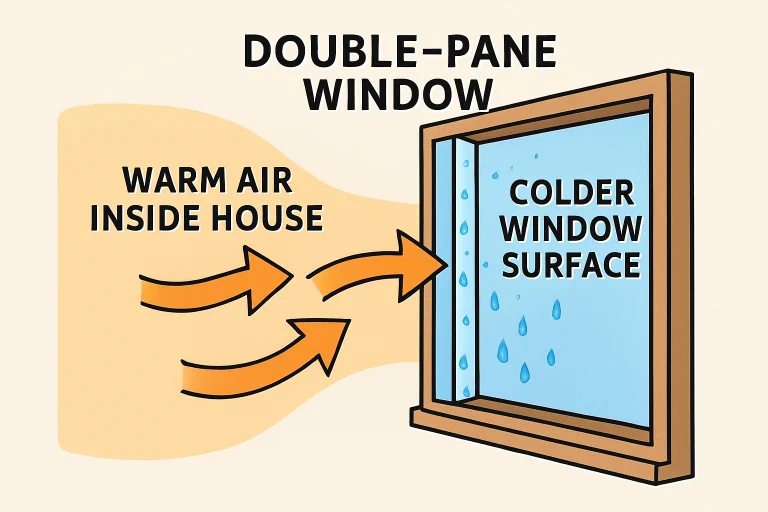
Condensation often occurs in homes, puzzling homeowners, especially on double-pane windows. When water vapor meets a cooler surface like glass, it forms droplets. While double-pane windows are for insulation, condensation can still appear inside, outside, or between panes despite their design. This generally becomes most noticeable during cooler months or after activities that increase indoor humidity, such as cooking or showering. If you are looking for solutions for fixing condensation in double-pane windows, understanding what causes condensation is a vital first step toward finding a lasting fix.
The Science of Double-Pane Windows
Double-pane windows, or insulated glass units (IGUs), have two glass sheets separated by a spacer filled with inert gases like argon or krypton, which insulate better than air. According to the U.S. Department of Energy, this design boosts energy efficiency, lowering heating and cooling costs. If the seal fails, outside air and moisture can cause condensation, fogging the window and reducing insulation. This breakdown lets heat escape in winter and unwanted heat enter in summer, increasing energy bills.
Common Causes of Window Condensation
Window condensation can be attributed to several factors, including poor indoor ventilation, which traps excess moisture from daily activities such as showering and cooking. Seasonal weather changes, remarkably rapid temperature shifts, also create conditions conducive to condensation. Seal failure in double-pane windows, caused by age or weather exposure, allows humid air to infiltrate the insulated space. High indoor humidity, resulting from using humidifiers, maintaining numerous houseplants, or drying clothes indoors, further exacerbates the issue. Modern, energy-efficient homes, despite their design, can also experience increased indoor humidity due to tightly sealed construction and limited ventilation, leading to window fogging. Recognizing these common triggers is essential for managing window condensation.
Simple Preventative Measures
Reducing or preventing condensation in homes primarily involves managing indoor humidity levels, with a digital hygrometer recommended for monitoring and maintaining humidity within the CDC-suggested 30% to 50% range. Key preventative measures include running exhaust fans in kitchens and bathrooms to expel excess moisture, periodically opening windows, particularly after high-humidity activities, keeping window coverings open occasionally to encourage air circulation, and relocating houseplants if moisture buildup on window glass is frequently observed. Consistently implementing these techniques helps minimize indoor humidity, reduce window condensation events, and improve indoor air quality.
Effective Fixes for Condensation
When condensation is already a problem inside your double-pane windows, there are both do-it-yourself (DIY) and professional remedies worth exploring. For mild issues, using a room dehumidifier or improving ventilation can alleviate fogging, while window insulation kits readily available at hardware stores offer a supplementary layer of protection during cold months. However, condensation between window panes nearly always points to seal failure, an issue DIY solutions cannot adequately address. Attempts to drill holes or use home remedies to clear fog between panes may provide temporary relief. Still, these methods can void your window’s warranty and often worsen the underlying issue. F
When to Repair or Replace Double-Pane Windows
Persistent cloudiness or streaking between glass panes usually signals failed insulation, meaning the window no longer performs its basic function. Although some companies offer defogging, these are often temporary and don’t restore original efficiency. If deterioration signs persist or drafts appear, replacing the window is usually more cost-effective in the long term, as modern replacements can boost energy efficiency by up to 20%. Regularly inspecting your windows helps catch issues early.
Health and Home Concerns Connected to Window Condensation
Persistent or recurrent condensation can have consequences far beyond the window itself. Moisture accumulation can cause wood rot, bubble paint, damage interior walls, and, most concerning of all, lead to mold and mildew formation. The U.S. Environmental Protection Agency (EPA) notes that mold exposure can irritate respiratory conditions and aggravate allergies, especially in children and individuals with asthma or weakened immune systems.
If you routinely notice pooled water, peeling frames, or dark spots near window sills, act quickly to address the moisture source and clean up affected areas. This proactive approach helps safeguard your home’s structure and your family’s well-being.
Frequently Asked Questions About Double-Pane Window Condensation
- Does condensation mean my windows are broken? Not always. Condensation on the outside can actually indicate sound insulation. However, fogging trapped inside the window is a definite sign of seal failure or compromised insulation.
- Can I stop condensation without replacing my windows? In many cases, yes. Start with humidity control strategies and regular basic maintenance.
- Does condensation affect window performance? Yes, especially when seals fail—this decreases insulation and energy costs.
- Is window condensation dangerous? Chronic moisture buildup encourages mold, which can impact both structure and health, so it’s best to act promptly if you notice it.
Most double-pane windows and condensation challenges are manageable with improved indoor air management and regular window inspection. Understanding the science behind condensation and promptly responding to early signs ensures comfort, safety, and efficiency for years.
Conclusion
Condensation on double-pane windows can range from a minor seasonal nuisance to a clear signal of underlying seal failure. While some cases can be managed with better ventilation and humidity control, persistent fogging between panes usually requires repair or replacement to restore full efficiency. By understanding how condensation forms, recognizing its common causes, and applying preventative measures, homeowners can protect both their windows and their living environment. Staying proactive helps maintain energy savings and safeguards against potential structural damage and health concerns linked to excess moisture. Addressing window condensation early ensures greater comfort, durability, and peace of mind for your home.