Homebuyers used to want impressive. Now they want comfortable. The shift happened during lockdown when everyone discovered their impressive homes were miserable to actually live in. Those open floor plans? Acoustic nightmares. Those statement chairs? Back destroyers. Modern buyers are done pretending aesthetics matter more than comfort.
The evidence is everywhere. Properties highlighting comfort features like quality Nest Bedding king mattress setups are moving faster than those showcasing designer furniture. Buyers are literally choosing comfort over style, and the market’s responding. Real estate photography’s even changing, fewer wide-angle shots, more cozy corners.
The Work-From-Home Reality Check
Nobody cared about chair ergonomics until they sat in them for eight hours a day. Those Instagram-worthy dining chairs? They’re torture devices for Zoom calls. Modern buyers test every seat during showings. They’re sitting, working, imagining daily life.
Home offices exposed the comfort crisis. Buyers are now evaluating homes based on comfort potential, not current staging. They’re measuring for standing desks, not admiring built-ins.
Bedrooms Became Everything Rooms
Bedrooms aren’t just for sleeping anymore. They’re offices, gyms, meditation spaces, Netflix theaters. Multi-functional requires comfort. That’s why bedroom quality now drives purchase decisions more than kitchen upgrades. Buyers spend actual time in bedrooms. Kitchens are just expensive photo opportunities. Adding LevTex Home bedspreads can enhance both comfort and style, giving the room a polished, cozy feel that supports work, relaxation, or entertainment, making it a versatile space buyers will truly appreciate.
Quality mattresses signal understanding of modern life. Adjustable bases suggest flexibility. Proper lighting shows work compatibility. Buyers aren’t looking for bedroom sets. They’re looking for spaces that adapt to their constantly changing needs.
The Texture Revolution
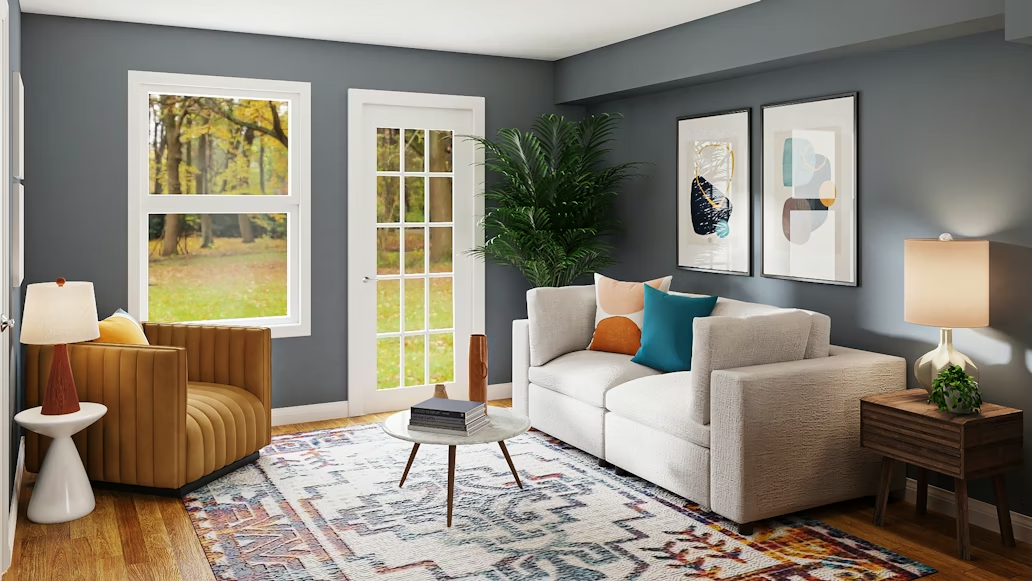
Smooth surfaces are out. Texture is everything. Buyers want to touch materials, not just see them. Bouclé, chunky knits, raw wood, surfaces that provide sensory feedback. The minimalist aesthetic made homes feel like museums. Now buyers want homes that feel like hugs.
This isn’t about trends. It’s about the human need for tactile comfort. Modern buyers intuitively understand this. They’re drawn to spaces that promise physical comfort, not just visual appeal.
Acoustic Comfort Matters
Open floor plans are dying because they’re loud. Buyers are prioritizing sound management over sight lines. Separate rooms are back. Doors are required. The ability to escape noise is now a premium feature.
Soft furnishings that absorb sound get attention during showings. Rugs, curtains, upholstered walls, anything that dampens echo. Buyers are clapping in rooms to test acoustics. They’re evaluating comfort for ears, not just eyes.
Climate Control Is King
Individual room temperature control used to be a luxury. Now it’s expected. Buyers want zone heating, cooling options, humidity management. They’re checking vents, testing fans, asking about insulation. Comfort means controlling your environment, not enduring it.
Smart thermostats aren’t impressive anymore. They’re baseline. Buyers want heated floors, cooling mattresses, bathroom fans that actually work. The technology serving comfort sells homes. The technology serving convenience gets ignored.
The Comfort Premium
For modern buyers, comfort beats convenience every time. The premium for comfort-forward properties averages higher than comparable style-focused listings. Buyers are literally paying more for permission to relax.
The shift is permanent. Post-pandemic buyers experienced life in uncomfortable homes. They’re not making that mistake again. Modern interior design isn’t about impressing visitors who rarely come. It’s about supporting daily life that actually happens. Comfort isn’t a trend. It’s a correction.