Key Takeaways
- Ignition interlock devices (IIDs) are effective tools in preventing repeat offenses of impaired driving.
- Legislative measures are expanding IID requirements to include first-time offenders in various states.
- Compliance-based removal laws for IIDs have been shown to reduce recidivism rates among offenders.
Understanding Ignition Interlock Devices
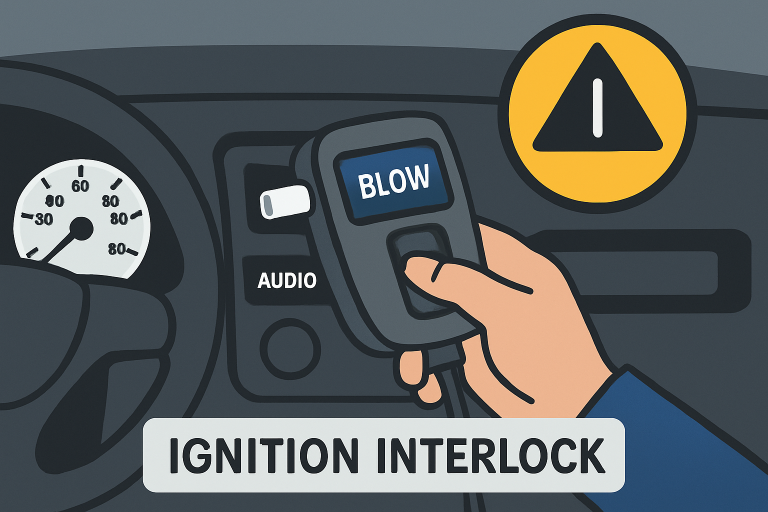
As communities continue to confront impaired-driving issues, ignition interlock devices have become an important solution for improving road safety. These systems are designed as breathalyzers that require vehicle operators to provide a sober breath sample before the engine will start.
The primary goal of IIDs is to prevent individuals with elevated blood alcohol concentration (BAC) levels from engaging in dangerous driving behaviors. Once a sample is analyzed by the device, if the BAC is above the predetermined threshold, typically set at 0.02 grams per deciliter or lower, the ignition remains locked. This proactive measure not only deters repeat offenses but also encourages individuals to make safer choices before getting behind the wheel.
An ignition interlock device serves as a daily reminder for drivers of the potential risks of impaired driving. Law enforcement officials, public health advocates, and road safety experts consistently cite IIDs as a proven intervention for reducing alcohol-related accidents and fatalities. Their increasing use reflects a shift toward prioritizing prevention and personal accountability among those previously convicted of drunk driving.
These programs are gaining traction nationwide as studies continue to affirm their effectiveness. According to the National Conference of State Legislatures, states expanding IID mandates have seen measurable declines in alcohol-impaired traffic deaths, supporting the wider adoption of these life-saving devices.
Legislative Efforts to Expand IID Usage
Driven by growing evidence on their effectiveness, lawmakers have advanced measures to increase IID use across more categories of offenders. For example, legislation is being considered in Wisconsin that would require IIDs for all convicted drivers, including first-time offenders. This approach is intended to curb persistent issues with impaired driving and boost overall public safety. By closing gaps that previously allowed first offenders to avoid device requirements, these laws aim to further reduce drunk driving recidivism.
Legislative changes in multiple states across the country reflect a broader movement to strengthen deterrence against impaired driving and hold offenders more accountable. These efforts are often paired with comprehensive road safety strategies that include enhanced penalties and integrated monitoring programs. Critics occasionally raise concerns about personal freedom or financial accessibility, but supporters point out the extensive societal costs of traffic accidents involving alcohol.
Compliance-Based Removal Laws and Their Impact
An emerging best practice in IID legislation is the introduction of compliance-based removal laws. These statutes require convicted individuals to demonstrate consistent compliance with all program requirements before device removal. Research highlighted by the Governors Highway Safety Association indicates that such regulations are linked to a marked decline in repeat offenses. By conditioning device removal on compliance, these laws ensure that drivers not only complete their mandated term but also demonstrate rehabilitation and safer driving habits during that time.
States adopting compliance-based removal requirements have reported greater program effectiveness, reduced alcohol-impaired crashes, and improved public safety outcomes. While the implementation process can be complex, this model is rapidly gaining support among policymakers and advocacy organizations for its data-driven approach and focus on behavioral change.
Challenges in IID Implementation
Despite documented benefits, implementation hurdles persist. A key challenge is varying compliance rates; some individuals simply fail to install court-ordered devices or attempt to circumvent their use. Financial barriers associated with installation and regular maintenance fees also discourage full participation. Addressing these issues remains critical for maximizing the impact of ignition interlock mandates.
Efforts to overcome these obstacles often involve state-funded assistance programs, streamlined monitoring, and enhanced accountability measures. Collaborations among judicial authorities, IID service providers, and community organizations help ensure that more individuals subject to IID requirements are equipped to comply fully. Continued education about the importance of these devices can also reinforce their role as critical public safety tools rather than punitive measures.
Technological Advancements in IIDs
Continuous innovation has improved the functionality and effectiveness of ignition interlock technology. Today’s devices incorporate enhanced features such as real-time reporting, tamper detection, and GPS tracking, which provide greater oversight for monitoring agencies. These technological upgrades minimize opportunities for evasion and ensure reliable enforcement of sobriety conditions.
Modern IIDs are designed to be more user-friendly, making it easier for drivers to comply with requirements and for officials to monitor usage. Advancements in data transmission and device calibration further strengthen the integrity of these programs and contribute to the growing trust in IIDs among both regulators and the public.
Public Perception and Education
The success of IID programs also depends on public perception and awareness. Education campaigns are essential in shaping community attitudes about impaired driving and the effectiveness of interlock devices. By emphasizing the role of IIDs in protecting lives and preventing tragedies, these initiatives encourage broader acceptance and foster a culture of responsibility on the roads.
Organizations across the country are investing in outreach to inform citizens about the legal, financial, and personal implications of impaired driving. These programs often highlight real-life stories, data on decreased accident rates, and clear information about how IIDs help individuals return safely to their daily routines. Informed communities are more likely to support legislative actions and compliance, underscoring the importance of education as a key strategy in this ongoing effort.
Conclusion
Ignition interlock devices have established themselves as an essential element in preventing impaired driving and safeguarding roads. Legislative initiatives, compliance-based removal laws, and constant technological advancements have collectively contributed to decreasing recidivism and promoting responsible behavior among offenders. Maximizing the potential of IIDs requires not only robust implementation and monitoring but also persistent public education to overcome barriers and foster lasting change in community norms. Together, these efforts offer a path toward safer travel and fewer lives lost to impaired driving incidents.