Digital art, animation, and 3D design often demand long hours in front of a screen. While creativity thrives during these extended sessions, the physical strain that comes with them—particularly on the eyes—cannot be ignored. For years, artists have relied on LCD drawing tablets, which deliver functional performance but fall short when it comes to long-term comfort. This is where OLED drawing tablets step in, offering a revolutionary leap in display technology that directly addresses eye fatigue and comfort issues.
In this article, we’ll explore how OLED drawing tablets make a difference for artists, why they are better for extended use, and highlight one of the leading choices available today: the XPPen Artist Ultra 16.
1. The Challenge of Eye Strain in Digital Art
Eye strain is a common complaint among digital artists. The symptoms range from dryness, headaches, and blurred vision to difficulty focusing after long sessions. The reasons are clear:
- Brightness levels on traditional LCD screens can be too harsh.
- Blue light emission causes fatigue and disrupts natural sleep patterns.
- Low contrast ratios make it difficult to distinguish fine details in shadows or highlights.
- Backlight glare adds unnecessary stress on the eyes.
When working on complex illustrations, detailed textures, or 3D models, artists often stare at a screen for 6–10 hours per day. Over time, this can negatively impact both productivity and overall well-being.
2. Why OLED Technology Is Different
OLED (Organic Light-Emitting Diode) technology fundamentally differs from LCD. Instead of relying on a backlight, each pixel in an OLED display emits its own light. This creates several key advantages that directly improve eye comfort:
- True blacks: OLED pixels can switch off completely, producing perfect blacks without backlight bleed.
- High contrast ratios: With a contrast ratio often exceeding 1,000,000:1, OLED screens deliver vibrant details in both highlights and shadows.
- Lower brightness requirement: Because colors and blacks are more accurate, the display can be comfortable at lower brightness levels, reducing glare.
- Reduced blue light: Many OLED panels are engineered to minimize harmful blue light without distorting colors.
- Flicker-free experience: OLEDs typically provide smoother dimming and refresh, avoiding the flicker issues found in some LCD panels.
In short, OLED isn’t just a visual upgrade—it’s a health-conscious one.
3. How OLED Benefits Artists During Long Drawing Sessions
When you switch from an LCD to an OLED drawing tablet, the difference is noticeable almost immediately. For artists, the benefits are not just technical but also practical:
a) Sharper Detail Without Strain
The improved contrast allows artists to see subtle gradients and textures without squinting or increasing brightness. This is particularly useful in Blender sculpting, digital painting, and character design.
b) Reduced Glare and Softer Light
OLED screens do not rely on strong backlights, so the overall visual output feels softer. This reduces the “spotlight effect” that often leads to eye fatigue.
c) Comfortable for Dark Room Workflows
Many artists prefer working in dimly lit studios. On LCDs, blacks appear gray and washed out, making the eyes work harder to interpret detail. OLED’s true black performance ensures natural depth, even in dark environments.
d) Less Blue Light Exposure
Studies link excessive blue light to digital eye strain and disrupted circadian rhythms. OLED drawing tablets, like the XPPen Artist Ultra 16, are designed to limit harmful wavelengths, allowing artists to work longer without discomfort.
e) Natural Color Reproduction
OLED displays provide a wide color gamut, which reduces the need to push screen brightness for accuracy. Lower brightness = happier eyes.
4. Spotlight on the XPPen Artist Ultra 16
Among the OLED drawing tablets available today, the XPPen Artist Ultra 16 is a standout choice for professionals who value both performance and comfort.
Key Features:
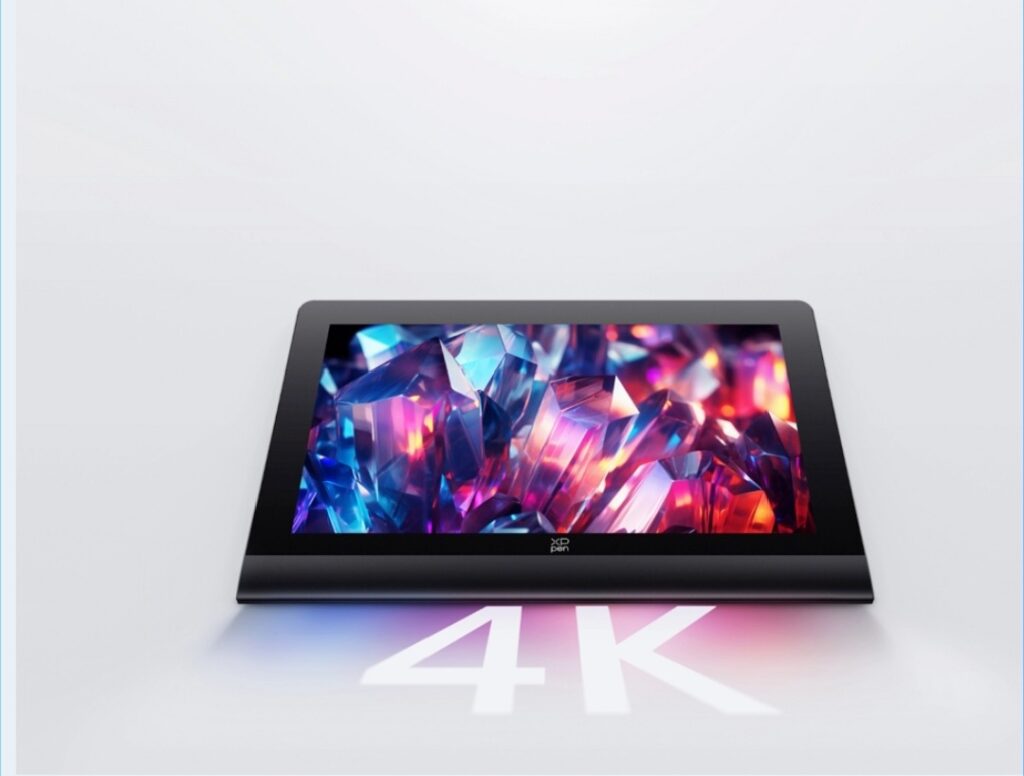
- 15.6-inch OLED 4K Display: Combines the sharpness of 4K resolution with OLED’s deep blacks and vibrant colors. Perfect for artists who need to spot micro-details in their work.
- Industry-Leading Color Accuracy: Covers 99% Adobe RGB and 98% DCI-P3, ensuring colors are true-to-life and consistent across projects.
- Reduced Blue Light & Flicker-Free: Engineered with eye health in mind, the display minimizes harmful emissions and offers stable brightness control.
- X3 Pro Smart Chip Stylus: Provides ultra-low latency, 16,384 pressure levels, and precise tilt recognition—essential for natural strokes and fine detail.
- Ergonomic Build: Slim, lightweight, and designed for long sessions without overheating or becoming uncomfortable to use.
Why It’s Ideal for Eye Comfort:
The XPPen Artist Ultra 16 directly tackles the issue of long-session strain. The OLED panel ensures your eyes experience less glare, softer light, and superior contrast, making it far easier to focus for hours without feeling drained.
For professionals working in illustration, animation, concept art, or Blender sculpting, this means better output without compromising health.
5. Practical Tips for Eye Comfort Beyond OLED
While an OLED drawing tablet like the Artist Ultra 16 makes a big difference, artists should also adopt additional practices:
- Follow the 20-20-20 Rule: Every 20 minutes, look at something 20 feet away for 20 seconds.
- Adjust Screen Brightness: Even with OLED, keep brightness aligned with your room lighting.
- Use Ergonomic Angles: Position the tablet to reduce glare and neck strain.
- Take Breaks: Stand up, stretch, and blink more often to keep your eyes hydrated.
These habits, combined with OLED technology, create the ideal long-term solution.
6. The Future of Eye-Friendly Digital Art
As digital creation becomes more immersive and demanding, artists need tools that support—not harm—their health. OLED drawing tablets are more than a luxury upgrade; they are quickly becoming a necessity for those spending countless hours on projects.
Brands like XPPen are leading the charge, ensuring artists don’t have to choose between top-tier performance and personal well-being.
Conclusion
Eye strain has long been a hidden cost of digital art. Traditional LCD drawing tablets, while functional, struggle to provide the comfort artists need for extended sessions. OLED drawing tablets change that reality, offering deeper blacks, reduced blue light, superior contrast, and overall eye-friendly performance.
For artists seeking both comfort and cutting-edge performance, the XPPen Artist Ultra 16 stands out as a premier choice. With its OLED 4K display, precise stylus, and ergonomic design, it enables creators to work longer, see more clearly, and bring their visions to life—without compromising eye health.