Fleet operators save thousands annually through Speedway’s commercial fuel card program while gaining real-time expense tracking across 8,000+ locations nationwide. The integration with 7-Eleven’s network creates one of the largest fuel station acceptance footprints in North America, fundamentally changing how businesses manage transportation costs.
Speedway fleet cards deliver rebates at Speedway, 7-Eleven, and Stripes locations while providing automated expense management tools that eliminate manual fuel accounting. The Business Fleet Card serves regional operators near Speedway locations while the Business Universal Card extends acceptance to over 95% of U.S. gas stations. Companies consuming over 1,000 gallons monthly access enterprise-grade reporting systems that identify operational inefficiencies and reduce administrative overhead.
Understanding Speedway Fleet Fuel Card Programs
The traditional approach to fleet fueling relies on credit cards, cash advances, and reimbursement systems that leak money through fraud, unauthorized purchases, and administrative inefficiency. Speedway recognized this fundamental flaw in how businesses buy fuel and built a solution that treats fuel as a strategic operational expense rather than an uncontrolled variable cost. Their fleet card ecosystem combines savings mechanisms with control features that transform fuel from a necessary evil into a manageable asset.
Speedway offers two distinct commercial fuel cards designed for different operational profiles. The Business Fleet Card maximizes savings for companies operating near Speedway, 7-Eleven, and Stripes locations with 9¢ per gallon rebates. The Business Universal Card provides 8¢ per gallon rebates at Speedway locations while extending acceptance to virtually any fuel station nationwide. Both cards integrate with existing accounting systems through automated data feeds that eliminate manual entry and reduce errors by up to 90%.
The economics become clear when examining actual usage patterns. A fleet consuming 5,000 gallons monthly saves $450 per month or $5,400 annually through rebates alone. Add the elimination of unauthorized purchases, reduction in administrative hours, and improved route efficiency from location-based analytics, and total savings often exceed $10,000 per year for mid-sized fleets.
How Do Speedway Fuel Cards Compare to Traditional Payment Methods?
Credit cards masquerade as fleet solutions but fail to address the core problems of fuel expense management. They offer minimal rebates, no purchase controls, and generate statements that require hours of manual reconciliation. Speedway fleet cards flip this model by providing transaction-level data in real time, allowing fleet managers to spot anomalies immediately rather than discovering problems weeks later during expense reviews.
The control mechanisms built into Speedway’s platform prevent the most common forms of fuel fraud and misuse. Drivers cannot purchase premium fuel when regular is authorized. They cannot buy merchandise when only fuel is approved. Location restrictions prevent unauthorized detours while time-based controls ensure vehicles fuel only during operational hours. These features alone typically reduce fuel expenses by 15% to 20% within the first quarter of implementation.
Traditional payment methods force companies to choose between control and convenience. Cash requires constant replenishment and provides zero visibility. Credit cards offer convenience but sacrifice control. Speedway fleet cards deliver both through a purpose-built infrastructure that understands how commercial fleets actually operate. Real-time alerts notify managers of unusual purchases while automated reporting eliminates the monthly scramble to categorize expenses for accounting.
What Are the Primary Benefits of Speedway Business Fleet Cards?
The 9¢ per gallon rebate represents just the visible portion of Speedway’s value proposition. The real transformation occurs through operational improvements that compound over time. Fleet managers gain visibility into driver behavior, vehicle efficiency, and route optimization opportunities that were previously hidden in aggregate fuel purchases. This data becomes the foundation for systematic cost reduction that extends far beyond fuel savings.
Speedway’s integration with 7-Eleven and Stripes creates a network effect that solves the coverage problem plaguing regional fuel programs. With over 8,000 locations, drivers find convenient fueling options along major transportation corridors and in urban centers where other programs have limited presence. The Business Universal Card extends this further by maintaining rebates at Speedway locations while enabling purchases at competing stations when necessary.
The expense management capabilities transform how businesses handle fuel accounting. Automated IFTA reporting saves dozens of hours quarterly for interstate carriers. Customizable reporting breaks down costs by vehicle, driver, or department without manual data manipulation. Integration with major accounting platforms eliminates duplicate entry while maintaining audit trails that satisfy regulatory requirements. These features convert fuel management from a reactive administrative burden into a proactive optimization opportunity.
Which Speedway Fleet Card Best Suits Your Business Operations?
The Business Fleet Card targets companies with predictable routes near Speedway locations who prioritize maximum per-gallon savings. Regional delivery services, local contractors, and businesses with defined service territories extract maximum value. The concentrated network of Speedway, 7-Eleven, and Stripes locations provides sufficient coverage for these operations while delivering industry-leading rebates that directly impact profitability.
The Business Universal Card serves companies requiring nationwide flexibility without sacrificing Speedway rebates. Long-haul trucking companies, national service providers, and businesses with variable routing benefit from acceptance at over 95% of U.S. fuel stations. The 8¢ per gallon rebate at Speedway locations combined with universal acceptance creates a balanced solution for unpredictable fuel needs. This card eliminates the dead zones that force drivers to use personal cards or cash advances.
Volume requirements determine eligibility and pricing structures. Companies consuming over 1,000 gallons monthly qualify for standard programs with immediate rebate activation. Higher volume users access enhanced rebates and dedicated account management. The tiered structure rewards growth, with rebate improvements triggered by increased consumption. This alignment between Speedway and fleet operators creates mutual incentives for long-term partnerships rather than transactional relationships.
How Does Real-Time Expense Tracking Reduce Fleet Costs?
Real-time visibility into fuel purchases reveals patterns invisible in monthly statements. A driver consistently fueling at premium-price locations despite cheaper alternatives nearby. A vehicle consuming 20% more fuel than identical units in the fleet. Unauthorized purchases hidden among legitimate transactions. Speedway’s platform surfaces these anomalies immediately, enabling intervention before small problems become major expenses.
The data granularity extends beyond simple purchase records. Time stamps reveal inefficient routing when drivers fuel outside optimal windows. Location data identifies opportunities to consolidate fuel stops. Purchase patterns highlight vehicles requiring maintenance based on declining fuel efficiency. This intelligence transforms fleet managers from expense processors into strategic optimizers who proactively reduce costs rather than simply recording them.
Automated reporting eliminates the hidden costs of manual fuel management. Administrative staff previously spending hours reconciling receipts and categorizing expenses redirect efforts toward value-creating activities. Accurate, timely data enables better negotiations with clients who reimburse fuel costs. IFTA compliance becomes automatic rather than a quarterly scramble. The compound effect of these improvements often exceeds the direct fuel savings, particularly for growing fleets where administrative burden scales exponentially.
What Security Features Protect Against Fuel Card Fraud?
Fuel card fraud costs businesses billions annually through skimming, unauthorized purchases, and employee misuse. Speedway’s security architecture addresses each vulnerability through layered controls that prevent fraud rather than simply detecting it after the fact. Purchase restrictions limit what, when, and where cards can be used. Real-time alerts notify managers of suspicious activity. Driver ID requirements ensure only authorized personnel access fuel.
The purchase control system operates at the point of sale, rejecting unauthorized transactions before they process. A card restricted to diesel cannot purchase gasoline. A card limited to fuel cannot buy merchandise. Geographic restrictions prevent purchases outside designated territories. These controls eliminate the most common fraud vectors while maintaining operational flexibility for legitimate needs.
Beyond transaction controls, Speedway provides forensic tools for investigating suspicious activity. Detailed transaction logs include pump numbers, product types, and precise timestamps. GPS integration on mobile apps confirms vehicle location during purchases. Exception reports highlight statistical anomalies like unusual purchase patterns or volumes. This evidence-based approach replaces suspicion with data, enabling decisive action when fraud occurs while protecting innocent employees from false accusations.
How to Implement Speedway Fleet Cards Across Your Organization
Implementation begins with analyzing current fuel spending to establish baselines and identify quick wins. Most businesses discover 10% to 15% waste in their existing fuel expenses through unauthorized purchases, premium fuel in standard vehicles, and inefficient routing. Speedway’s onboarding team conducts this analysis, providing a roadmap that prioritizes high-impact changes while minimizing operational disruption.
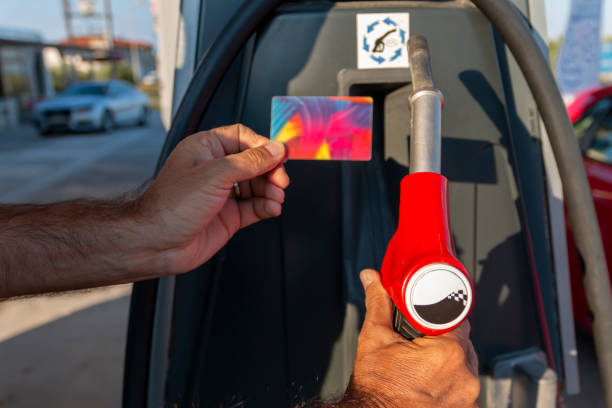
Card distribution and driver training determine implementation success. Physical cards arrive within days of approval, pre-configured with company-specific controls. Driver training materials explain new procedures while emphasizing benefits like eliminated reimbursement paperwork. Mobile apps provide drivers with station locators and real-time card management. The phased rollout allows testing with select vehicles before full deployment, ensuring smooth transition without compromising operations.
Integration with existing systems preserves current workflows while adding new capabilities. Accounting software connections automate expense coding and report generation. GPS fleet tracking platforms incorporate fuel data for comprehensive vehicle analytics. Maintenance systems receive fuel efficiency metrics for predictive service scheduling. This integration approach treats Speedway cards as an enhancement to existing infrastructure rather than a replacement, minimizing change management challenges.
What Cost Savings Can Fleets Expect from Speedway Fuel Programs?
The mathematics of fleet fuel savings compound across multiple vectors. Direct rebates provide immediate, predictable returns based on consumption volume. A fleet consuming 10,000 gallons monthly at Speedway locations generates $900 in monthly rebates or $10,800 annually. This represents pure margin improvement with no operational changes required. Larger fleets accessing volume-based rebate enhancements see proportionally higher returns.
Indirect savings through improved controls and efficiency often exceed direct rebates. Eliminating unauthorized purchases typically reduces expenses by 5% to 10%. Route optimization enabled by location analytics cuts consumption by 3% to 5%. Reduced administrative burden frees 10 to 20 hours monthly for productive activities. The cumulative impact transforms fuel from an uncontrolled expense into a managed cost center with predictable, improving metrics.
Long-term value creation extends beyond immediate cost reduction. Accurate fuel data enables better vehicle replacement decisions based on actual efficiency rather than estimates. Detailed driver metrics support performance-based incentive programs that reward efficient operation. Comprehensive expense records simplify tax preparation and regulatory compliance. These strategic benefits position fuel management as a competitive advantage rather than simply a necessary expense.
How Do Speedway Cards Integrate with Fleet Management Systems?
Modern fleet operations depend on integrated data flows between multiple systems. Speedway’s API architecture enables seamless connection with major fleet management platforms, eliminating data silos that obscure optimization opportunities. Fuel transactions automatically populate in fleet tracking systems, linking consumption with route data for comprehensive efficiency analysis. This integration reveals insights impossible to discover when systems operate independently.
The technical implementation requires minimal IT resources. Cloud-based APIs use standard protocols that connect with existing infrastructure without custom development. Data mapping tools match Speedway fields with fleet management categories, preserving reporting consistency. Automated synchronization eliminates manual imports while maintaining data integrity. Most integrations complete within days, not weeks, minimizing implementation burden.
Practical applications of integrated data transform operational decision-making. Maintenance scheduling incorporates fuel efficiency trends to predict service needs before breakdowns occur. Route planning considers real-time fuel prices at Speedway locations to minimize total trip costs. Driver scorecards combine fuel efficiency with other performance metrics for comprehensive evaluation. This holistic view enables systematic optimization rather than isolated improvements that may conflict with broader objectives.