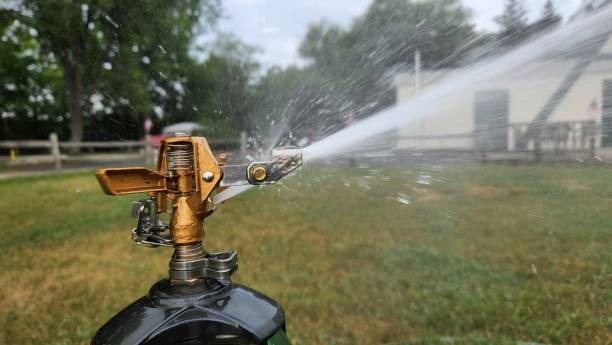
When a fire sprinkler head activates, it can be a moment of chaos. Water is spraying, alarms may be sounding, and people are trying to figure out what just happened. Whether the activation is due to an actual fire or a false trigger, the immediate moments that follow are critical in minimizing damage and ensuring safety. One of the first steps in regaining control of the situation is using a fire sprinkler shut off tool, which allows for quick cessation of water flow to prevent extensive flooding.
In this article, we’ll walk you through what you should do right after a sprinkler head activates, explain why swift action matters, and provide a broader understanding of sprinkler systems in emergency scenarios.
The First Few Minutes: Staying Calm and Taking Action
A sprinkler head usually activates when it detects high heat, typically at 155°F (68°C), releasing pressurized water to suppress a fire. It may also activate due to mechanical failure, vandalism, or accidental impact. Whatever the cause, your response in the first few minutes is crucial.
Step 1: Ensure Everyone Is Safe
The priority is always human safety. If there’s an active fire, evacuate the building immediately following your emergency evacuation plan. Activate the fire alarm system if it hasn’t already sounded, and call emergency services.
If it becomes clear that the sprinkler was triggered accidentally, assess whether there are any hazards from water on floors or electrical systems. Clear the area of any slip or electrical risks as soon as it’s safe to do so.
Step 2: Shut Off the Sprinkler Head
If only one sprinkler head has been triggered and there is no fire, stopping the water flow quickly can prevent thousands of dollars in property damage. This is where a fire sprinkler shut off tool becomes essential. Designed to clamp over the activated head, this tool can stop the spray in seconds, saving valuable equipment, documents, and furnishings.
Step 3: Contact Building Management and Maintenance
Once the situation is under control, inform the building’s facility management team. They will need to inspect the sprinkler system, determine what triggered the activation, and begin clean-up and repairs. If you’re in a commercial property, building insurance may require documentation of the incident, including photos and a written account.
Understanding the Impact of Water Damage
While sprinkler systems are designed to save lives and prevent fire damage, they can cause significant water-related destruction when activated. A single sprinkler head can release 15 to 25 gallons of water per minute. Over just 10 minutes, this could mean 250 gallons flooding a room.
Immediate Consequences
- Damage to electronics and machinery
- Soaked documents, artwork, or inventory
- Slippery floors and structural saturation
Acting fast helps reduce these consequences. Removing water-sensitive materials and beginning drying procedures immediately can limit long-term losses.
Secondary Issues
If water damage isn’t addressed promptly, secondary issues like mold growth, wood rot, and corrosion can develop within 24 to 48 hours. For businesses, downtime and lost productivity may add to the financial toll.
What Not to Do After a Sprinkler Activates
Equally important as knowing what to do is understanding what to avoid. Missteps in these moments can exacerbate the situation.
Don’t Try to Block the Water with Plastic or Buckets
Trying to catch or redirect water without the proper tool is generally ineffective and can be dangerous. The pressure behind sprinkler heads is too strong for makeshift solutions.
Don’t Disable the Entire Fire System Without Cause
Unless directed by emergency services or a professional, avoid shutting down the entire fire suppression system. Other areas of the building remain unprotected while the system is disabled, increasing risk.
Don’t Ignore Electrical Hazards
Water and electricity are a dangerous combination. If you see water near power strips, outlets, or electronic equipment, assume those areas are hazardous and stay away until the electricity is shut off by a professional.
Preparing for Future Sprinkler Activations
The best way to mitigate future damage is through preparedness. Here are steps you can take to be ready before the next incident:
Keep a Fire Sprinkler Shut Off Tool Accessible
Every facility should have a fire sprinkler shut off tool on hand in easily accessible locations. Staff should be trained on how and when to use it.
Train Your Team
Create response protocols for sprinkler activations and conduct periodic training. Include fire drills, equipment reviews, and emergency communication procedures.
Inspect and Maintain Sprinkler Systems
Regular maintenance and inspections can prevent accidental activations. Schedule periodic reviews by licensed fire protection professionals to ensure system components are functional and undamaged.
Protect Sensitive Areas
If your building contains areas with sensitive electronics, paper archives, or valuable assets, consider additional protective measures like waterproof storage or dedicated water sensors to provide early warnings.
The Bigger Picture: Why Sprinklers Activate
Understanding why sprinkler heads activate can inform your response and help prevent unnecessary activations.
Heat-Triggered Activation
Most systems are designed to activate individually when a specific temperature is reached. This means that only the sprinkler closest to the fire goes off—not the entire system, as is often shown in movies.
Accidental Activation Causes
- Physical damage: A hit from a forklift or ladder
- Freezing temperatures: Frozen water can expand and rupture pipes
- Manufacturing defects or poor installation
- Intentional tampering or vandalism
If your system has frequent false activations, it may be time to upgrade or reassess your setup.
In the critical moments after a sprinkler head activates, fast, informed action is the key to minimizing damage and restoring order. Whether caused by fire or accident, knowing how to respond and having tools like a fire sprinkler shut off tool at the ready can make all the difference in protecting your property, ensuring safety, and reducing downtime. With preparedness and the right equipment, even unexpected emergencies can be managed effectively.