Table of Contents
- Introduction
- Laugavegur Trail
- Fimmvörðuháls Trail
- Glymur Waterfall Hike
- Reykjadalur Hot Spring Hike
- Hornstrandir Nature Reserve
- Essential Hiking Tips
Introduction
Iceland offers a breathtaking haven for hikers, with its sweeping volcanic landscapes, vibrant green valleys, and powerful waterfalls forming a surreal backdrop for outdoor exploration. From ancient lava fields to rugged cliffs and geothermal marvels, the country’s terrain promises unforgettable experiences for adventurers of all skill levels. Whether you’re an experienced climber or setting out on your first hike, each trail reveals a unique blend of serenity, challenge, and raw natural beauty. To help you make the most of your journey, this detailed guide covers everything you need—trail recommendations, gear tips, and safety essentials. If you’re ready to begin planning your Icelandic adventure, click here to explore top-rated hikes and expert advice that will help ensure a memorable and well-prepared trek.
Laugavegur Trail
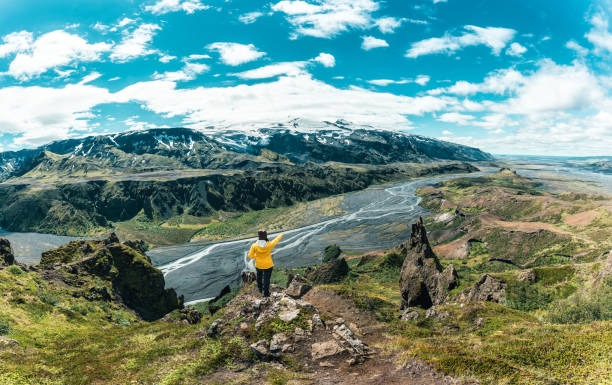
Considered one of the planet’s most breathtaking multi-day hikes, the legendary Laugavegur Trail draws trekkers worldwide. Stretching approximately 55 kilometers (34 miles), this renowned route links the geothermal wonderland of Landmannalaugar with the verdant valleys of Þórsmörk, guiding hikers through some of Iceland’s most surreal and varied landscapes. Expect to marvel at the rainbow-colored rhyolite mountains, navigate pitch-black volcanic deserts, soak in steaming hot springs, and cross glacial rivers glinting in the sun. The terrain shifts dramatically with each step, keeping the journey fresh and thrilling.
The Laugavegur Trail is typically split into four days, each stage offering mountain huts for rest and shelter, though well-equipped campers may also opt for tenting along the way. The trail is best experienced in summer, from late June through early September, when long daylight hours, milder temperatures, and accessible river crossings create ideal hiking conditions. Due to its immense popularity, especially among international visitors, making hut reservations several months ahead is highly advised to secure accommodations and avoid disappointment. This hiking trail is a top choice for anyone chasing scenery and variety.
Trail Highlights
- Start: Landmannalaugar—Kick off your trek amidst vibrant geothermal, mineral-rich hot springs, and colorful hillsides that invite you to take a dip before heading out.
- Middle: Mælifellssandur – Traverse eerie black sand deserts, cross obsidian fields and icy rivers, and marvel at ever-changing mountain vistas unique to Iceland’s highlands.
- End: Þórsmörk – Finish in a lush, sheltered valley draped in Arctic birch, where wildflowers bloom and views of mighty glaciers reward your journey.
Fimmvörðuháls Trail
The Fimmvörðuháls Trail stands out as one of Iceland’s most dramatic and challenging hikes, offering a condensed dose of the country’s volcanic power and glacier-chiseled beauty all in one epic journey. Just over 25 kilometers (15 miles) long, the trek links the iconic Skógafoss waterfall to the lush valley of Þórsmörk, treating adventurers to scenes of roaring falls, sweeping glacier panoramas, and raw black lava fields—in addition to two fresh volcanic craters (Magni and Móði) created during the historic 2010 Eyjafjallajökull eruption. Over 25 waterfalls line the path as the trail ascends sharply between the Eyjafjallajökull and Mýrdalsjökull glaciers, making Fimmvörðuháls a valid showcase of Iceland’s natural drama.
This strenuous route can be hiked in one grueling day for those with strong fitness, though breaking it into two days with a night in one of the cozy mountain huts makes the experience more accessible and enjoyable. The ever-changing weather, high-altitude passes, and significant elevation gain mean this trek best suits confident, well-prepared hikers with a taste for adventure and weather resilience. Preparation is key: study maps, watch forecasts diligently, and be ready to adapt as Iceland’s wild spirit reveals itself.

Glymur Waterfall Hike
If your schedule or comfort levels lean toward shorter hikes, the Glymur Waterfall trail is necessary. This moderately challenging hike is about 7 kilometers (4.3 miles) round-trip and leads you to Iceland’s second-highest waterfall, which dramatically plunges 198 meters into a moss-carpeted canyon below. The approach is an adventure in itself—you’ll cross picturesque rivers (sometimes balanced on logs, other times fording in shallow waters), navigate through a short cave, and scramble up steep switchbacks for ever-expanding panoramic views of the Hvalfjörður fjord.
The Glymur hike is best attempted from late spring through early autumn, when conditions are safest and the stunning canyon greenery is in full effect. Good wets and treads are crucial, since rain can swell rivers and muddy and slick the path. With every step, you’ll find the scenery growing wilder and more enchanting, topped off by the stunning sight of Glymur’s cascading waters roaring into the depths below a sight you won’t soon forget.
Reykjadalur Hot Spring Hike
If you want a hike that rewards effort with ultimate relaxation, look no further than Reykjadalur, or “Steam Valley.” Just an hour’s drive from Reykjavik and easily accessible year-round, this 6-kilometer (3.7-mile) round-trip trail starts near the town of Hveragerði and winds through scenic hills dotted by bubbling mud pots, gurgling hot springs, and steaming fissures. The real highlight is the trail’s finale: a warm, gently flowing river, where hikers are invited to shed their boots, don swimsuits, and soak in soothing geothermal waters, surrounded by pristine Icelandic wilderness.
The Reykjadalur hike is excellent for travelers of all experience levels, though sturdy footwear is always a must, particularly in winter when the path can become icy and slippery. The trail is popular, but the ability to lounge in a natural hot spring after a hike makes it well worth the outing. Don’t forget to bring a towel, a swimsuit, and a sense of adventure—this is one of Iceland’s most unique thermal experiences, set against a backdrop that’s both wild and welcoming.
Hornstrandir Nature Reserve
Hornstrandir Nature Reserve in the remote Westfjords is the ultimate hiking destination for those seeking unparalleled solitude and untamed wilderness. This vast, car-free reserve is accessible only by boat. It remains free from any permanent human settlement a true sanctuary for wildlife like the elusive Arctic fox and a haven for nesting seabirds on cliffs that plunge straight into the North Atlantic. Hikes here range from challenging day trips to multi-day expeditions where you’ll carry everything you need, including a tent, food, and navigation tools, into some of Iceland’s wildest corners.
Due to harsh weather and lingering snow, the hiking season is short, primarily from June to August. Many areas in August have gusts. There are no shops, shelters, os in many places, which demands self-sufficiency, solid navigational skills, and respect for Iceland’s volatile environment. The effort is richly rewarded, though: the peace, breathtaking vistas, and chance encounters with wildlife leave an indelible mark. Actual off-the-grid trekking in Hornstrandir gives you the rare privilege of exploring a slice of Iceland almost entirely unchanged by humanity.
Essential Hiking Tips
- Check the Weather: Iceland’s weather is famously unpredictable. Always consult the latest updates from the Icelandic Meteorological Office and plan for rapid changes. Storms, rain, wind, or even snow can arrive in a single day, so stay vigilant and flexible.
- Dress in Layers: Smart layering is vital for staying warm and dry. Start with a moisture-wicking base layer, add an insulating mid-layer, and finish with a windproof, waterproof shell. This allows you to adjust your clothing as the weather (and your exertion level) shifts.
- Stick to Marked Paths: Iceland’s ecosystem is fragile stay on marked trails to protect the delicate flora and minimize your impact. Straying from paths exposes you to hidden hazards, like unstable ground or sudden drops.
- Share Your Plans: Register your route with SafeTravel, let a friend or host know your route and expected return, and consider using a GPS tracking app for added peace of mind.
- Bring Navigation Tools: Iceland’s remoteness means you can’t always rely on a phone signal. Carry paper maps, a compass, and a GPS device. Fog, high winds, or sudden weather shifts can quickly disorient even experienced hikers.
- River Safety: If your trek includes river crossings, take time to learn safe fording techniques, assess water speed and depth before each crossing, and always err on the side of caution. Fast-moving water can be far more dangerous than it appears.
No matter your skill level or how long you’ll spend exploring, Iceland’s hiking trails promise unforgettable experiences places where the power of geology and the wildness of untouched nature leave their mark on every trekker, with thorough preparation and thoughtful trail choices, I’ll have memories, but a deeper appreciation of the country’s awe-inspiring beauty and elemental force. For more guidance and detailed planning advice before your journey, visit this comprehensive Iceland hiking guide.