Europe’s vast cultural landscape, scenic towns, and historic capitals offer endless discovery—but how you travel determines what you truly experience. Traditional coach tours and crowded group excursions often rush from landmark to landmark, barely scratching the surface. In contrast, river cruises present a refined, immersive, and leisurely way to explore the heart of Europe.
These journeys glide along storied waterways like the Danube, Rhine, Rhône, Seine, and Douro, offering direct access to UNESCO-listed cities, vineyard-rich countryside, and architectural marvels—all without the constant packing, unpacking, and bus rides. For discerning travelers seeking comfort, depth, and cultural intimacy, river cruising is Europe redefined.
The River Cruise Advantage: Comfort, Culture, And Continuity
Unlike conventional tours that hop between hotels, a river cruise acts as a floating boutique hotel. You unpack once, then relax as you drift seamlessly from one destination to the next. Ships are typically smaller—accommodating 100–200 guests—meaning the onboard atmosphere remains tranquil and personal. Cabins often feature floor-to-ceiling windows or balconies, ensuring views of castles, vineyards, and cathedrals aren’t just photo ops—they’re your daily backdrop.
Cultural programming on board often reflects the surrounding region. Think guest lectures on European history, culinary demonstrations with local chefs, or classical concerts performed by regional musicians. Because the ships dock in city centers rather than distant ports, you can walk straight into the heart of Vienna, Strasbourg, or Avignon—no taxis or shuttles required. It’s a slower, more meaningful rhythm of travel, without sacrificing modern luxury.
Danube Delights: From Imperial Grandeur To Countryside Charm
Sailing the Danube is like opening a storybook of Central Europe. Starting from Germany’s Black Forest, the river snakes through Austria, Slovakia, Hungary, and beyond. A typical itinerary might begin in Nuremberg or Passau, glide through the vineyard-lined Wachau Valley, pause in baroque Vienna, and linger in Budapest, whose Buda and Pest districts spill across both banks in regal splendor.
What makes the Danube so compelling is the contrast: the imperial ballrooms of Schönbrunn Palace followed by a rustic wine tasting in Dürnstein. Many cruises also include private performances of Mozart and Strauss in Viennese concert halls or folk shows in Hungarian villages. Off the ship, guided walking tours, bike rides, or market visits enrich the experience with context, color, and charm.
Rhine Romance: Castles, Legends, And Grand Cathedrals
The Rhine River, with its steep vineyard terraces and storybook castles, is one of Europe’s most iconic waterways. Cruises typically traverse from Switzerland through France and Germany before ending in the Netherlands. Along the way, passengers pass the fabled Lorelei Rock, Cologne’s towering cathedral, and half-timbered towns like Rüdesheim and Bacharach.
The Upper Middle Rhine Valley, a UNESCO World Heritage Site, is particularly breathtaking, with each bend revealing a new medieval fortress or hillside ruin. Some itineraries even include day trips to the Black Forest or Alsace’s quaint villages. German Christmas market cruises along the Rhine are also growing in popularity, offering seasonal magic with spiced glühwein, twinkling stalls, and festive music echoing across frosted squares.
The French Rivers: Culinary Elegance And Artistic Immersion
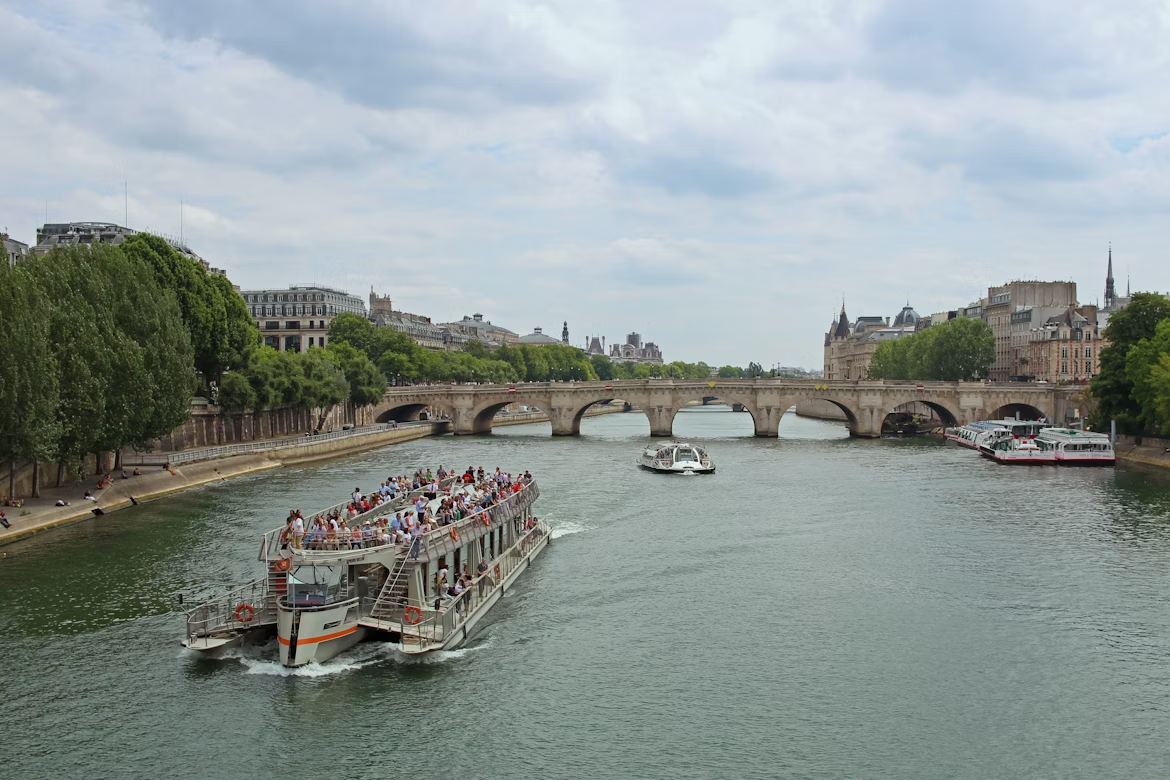
France’s Rhône and Seine rivers offer a blend of art, history, and gastronomy that’s hard to rival. A Seine cruise departing from Paris might include stops in Rouen—where Joan of Arc met her fate—and Giverny, home of Monet’s garden. Normandy’s D-Day beaches are also within reach, offering solemn, profound reflection.
Further south, the Rhône winds through the gastronomic heart of France. Cruises from Lyon pass Roman ruins in Vienne, vineyards in Tain-l’Hermitage, and sunlit villages in Provence. Expect truffle tastings, lavender field visits, and excursions to local markets where guests often cook with the chef upon returning to the ship. For lovers of food and fine wine, this is European travel at its most indulgent.

Photo by Valeria Nikitina on Unsplash
Portugal’s Douro: Hidden Beauty And Port Wine Tradition
The Douro River in northern Portugal is a lesser-known gem, winding from Porto into the terraced hills of the wine-producing Douro Valley. Unlike the more tourist-heavy rivers, the Douro feels remote and unspoiled. Small towns like Pinhão and Régua dot the route, surrounded by centuries-old quintas (wine estates).
Cruises here emphasize local culture—think fado performances, azulejo tile workshops, and port wine tastings with generational vintners. The scenery is serene and golden, especially in late summer. Though the river is narrower and the ships slightly smaller, the experience is no less luxurious—only more intimate. For travelers who want a peaceful, off-the-beaten-path alternative, the Douro delivers in spades.
Who Should Choose A River Cruise?
River cruising appeals to a wide spectrum of travelers, but particularly those who value comfort, enrichment, and authentic connections. It’s ideal for:
- Couples seeking a romantic, scenic getaway
- Cultural enthusiasts who want access to museums, concerts, and heritage sites
- Food and wine lovers eager for curated tastings and chef-led excursions
- Active travelers interested in biking, hiking, or photography without sacrificing luxury
- Solo travelers looking for a social but relaxed environment
Importantly, river cruises often cater to mature audiences—though some lines are now designing family-friendly sailings or wellness-themed itineraries that attract younger generations and fitness-focused guests.
When To Cruise: Best Seasons And Scenic Timing
Timing your river cruise can dramatically influence the experience. Spring (April–May) brings blooming countryside and fewer crowds, while summer (June–August) delivers warmth, bustling towns, and longer daylight hours perfect for after-dinner strolls. Autumn (September–October) is a favorite for wine cruises, with harvest festivals and golden foliage along vineyard routes.
Winter, especially on the Rhine and Danube, offers magical Christmas market cruises with mulled wine, handmade ornaments, and festive spirit. Some lines even run themed cruises—like classical music journeys, food festivals, or art-history tours—that are best enjoyed in particular seasons.

Photo by Pavel Neznanov on Unsplash
Wrapping Up
River cruising transforms how you see Europe. It slows the tempo, elevates the experience, and replaces rigid itineraries with flexible exploration. You don’t just see famous landmarks—you float up to them, walk among them, and learn their backstories in the company of knowledgeable guides and like-minded travelers. It’s not just a vacation—it’s immersion, indulgence, and inspiration in one seamless journey.
For those weary of airports, buses, and whirlwind tours, river cruising offers an elegant alternative: the luxury of movement without the chaos of transit, and the depth of discovery without the fatigue of logistics. Europe’s greatest cities, villages, and landscapes await—best experienced by river.