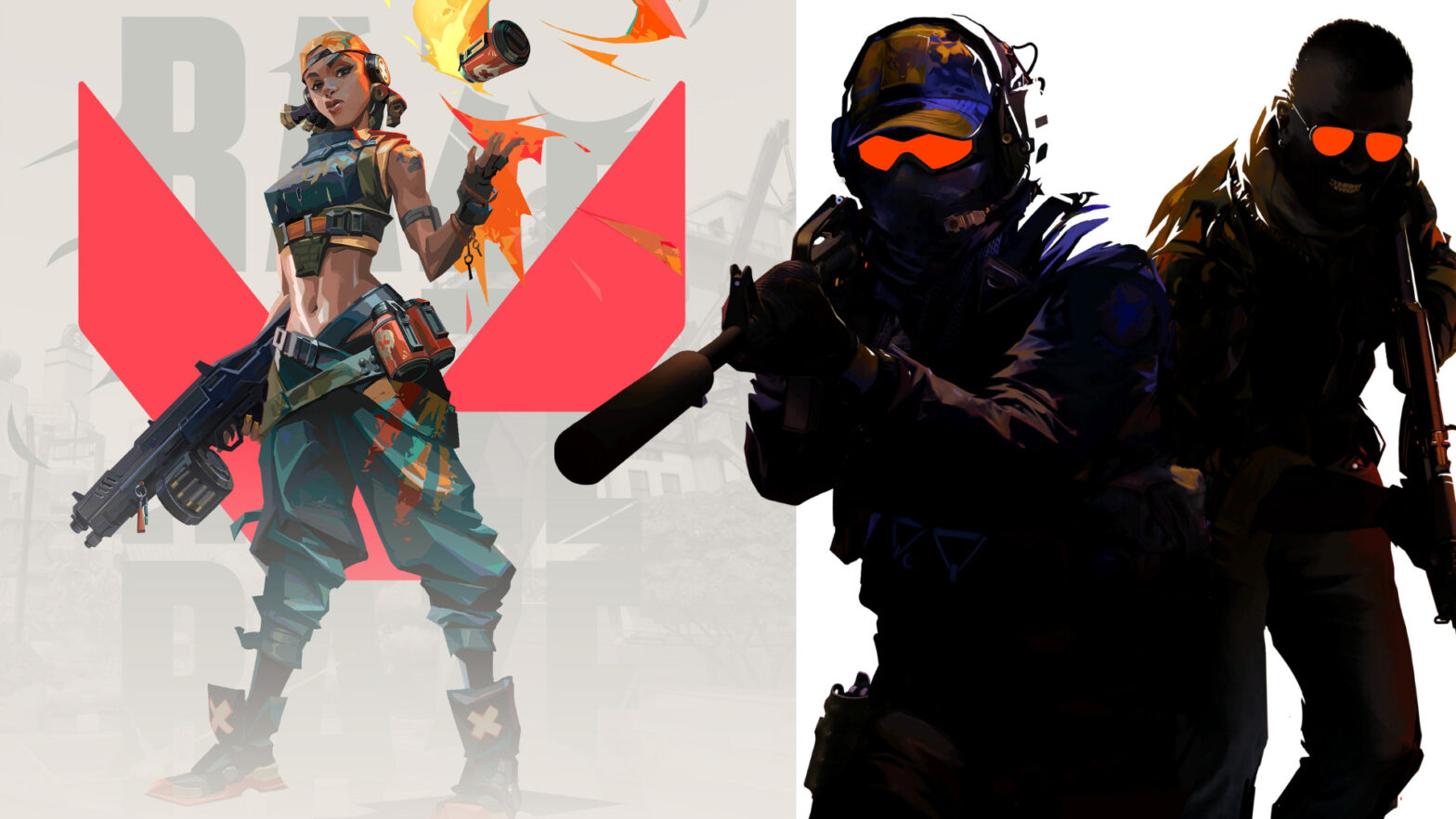
In the rapidly changing world of digital entertainment, esports has become a pivotal cultural and economic force. As competitive gaming continues to gain momentum globally, a wide variety of games have emerged, captivating audiences with their strategic complexity and exhilarating gameplay. Among these, titles like Counter-Strike 2 (CS2) and Valorant have established themselves as essential components of the esports scene. This article explores the vibrant realm of these esports games, analyzing their development, impact, and the broader ecosystem they are part of. Additionally, we examine the intersection of esports and betting, emphasizing the importance of responsible gambling practices. By understanding the dynamics of these games and the associated betting culture, enthusiasts and bettors can engage with esports in a more informed and conscientious manner. For those interested in exploring betting further, resources like Maine sportsbooks can provide guidance on responsible gambling options.
Understanding Esports
Esports, or electronic sports, refers to organized competitive gaming where players, either individually or as teams, compete in various video games. This phenomenon has grown exponentially over the past few decades, fueled by technological advancements and the increasing accessibility of gaming platforms. Central to the popularity of esports is the immersive nature of games and the community-driven culture that surrounds them.
The esports ecosystem encompasses a wide range of stakeholders, including players, teams, organizers, sponsors, and a global audience. Major tournaments, often held in large arenas and streamed online, attract millions of viewers worldwide, showcasing the immense appeal of competitive gaming. This growth has also led to the development of a robust betting market, where spectators can wager on match outcomes, adding an additional layer of engagement to the esports experience.
Counter-Strike 2 (CS2)
The Counter-Strike series has been a pillar of the esports world for over two decades, with its roots tracing back to the early 2000s. Counter-Strike 2 (CS2) represents the latest iteration in this iconic franchise, building upon its legacy with enhanced graphics, refined gameplay mechanics, and a focus on competitive integrity. CS2 retains the core elements that made its predecessors popular: team-based gameplay, strategic depth, and a high skill ceiling that rewards precision and teamwork.
The impact of CS2 on the esports scene is profound, with numerous tournaments and leagues dedicated to showcasing the talents of professional players. Events like the ESL Pro League and the Intel Extreme Masters attract top-tier teams and significant viewership, underscoring the game’s enduring popularity. As CS2 continues to evolve, it remains a staple of the esports landscape, drawing in both seasoned veterans and newcomers alike.
Valorant
Developed by Riot Games, Valorant is a tactical first-person shooter that combines elements of traditional shooters with unique character abilities. Since its release, Valorant has quickly become a favorite in the esports community, offering a fresh take on the genre with its strategic gameplay and diverse roster of agents. Each agent possesses unique abilities, adding an extra layer of strategy and teamwork to the game.
Valorant’s impact on the esports world has been significant, with Riot Games actively supporting the competitive scene through initiatives like the Valorant Champions Tour. This structured competitive circuit has helped establish Valorant as a major player in the esports arena, attracting a dedicated fan base and fostering a vibrant community. The game’s emphasis on strategy, coordination, and skill has made it a compelling choice for both players and spectators.
Dota 2
Dota 2 stands out as one of the most prominent titles in the multiplayer online battle arena (MOBA) genre. Known for its strategic complexity and high-stakes tournaments, Dota 2’s The International is renowned for its enormous prize pools and intense global competition. The game’s community-driven culture and strategic depth have made it a cornerstone of esports, attracting millions of players and spectators worldwide. Its emphasis on teamwork, strategy, and hero mastery creates a dynamic and engaging esports experience.
League of Legends (LoL)
League of Legends (LoL), another heavyweight in the MOBA category, continues to dominate the esports arena. Developed by Riot Games, LoL’s World Championship is a highly anticipated annual event that attracts millions of viewers. The game’s accessibility, coupled with its strategic intricacy, has helped maintain its popularity and influence within the competitive gaming scene. With a diverse roster of champions and a focus on strategic gameplay, LoL has become a staple of the esports world.
Fortnite
Fortnite, developed by Epic Games, has redefined the battle royale genre with its unique building mechanics and vibrant aesthetics. The Fortnite World Cup and other major events have showcased the game’s versatility and broad appeal. Its fast-paced gameplay and creative elements have captured the attention of players and spectators alike, cementing its status as a significant player in the esports world. The game’s ability to blend traditional shooting mechanics with innovative building techniques offers a unique challenge in competitive play.
PUBG (PlayerUnknown’s Battlegrounds)
In the realm of tactical shooters, PUBG (PlayerUnknown’s Battlegrounds) has established itself as a pioneer in the battle royale genre. Known for its realistic gunplay and expansive maps, PUBG’s competitive scene has grown alongside its popularity, with numerous tournaments and leagues contributing to its continued relevance. The game emphasizes survival strategies and tactical gameplay, making it a compelling choice for both players and viewers in the esports community.
Rocket League
Rocket League combines elements of soccer with vehicular acrobatics, offering a unique and engaging esports experience. The game’s simplicity and depth have contributed to its widespread appeal, with the Rocket League Championship Series serving as a platform for showcasing the skills of top-tier players. Its fast-paced matches and exciting gameplay make Rocket League a favorite among esports fans, blending sports and gaming in an innovative way.
The Future of Esports
As technology continues to advance, the future of esports looks promising, with potential for further growth and innovation. Emerging technologies such as virtual reality (VR) and augmented reality (AR) may introduce new dimensions to competitive gaming, enhancing the spectator experience and providing new opportunities for player engagement.
Additionally, the development of more affordable and accessible gaming equipment could democratize access to esports, allowing more individuals to participate in and enjoy competitive gaming. As the industry continues to evolve, it will be essential for stakeholders to prioritize sustainability and inclusivity, ensuring that esports remains a vibrant and welcoming community for all.
Responsible Gambling Practices
In the context of esports, betting has become an integral part of the viewer experience, offering fans an additional way to engage with their favorite games and teams. However, it is crucial to approach betting with caution and responsibility. Resources like Responsible Gambling (RG) provide valuable guidance for individuals looking to gamble responsibly. RG emphasizes the importance of setting limits, recognizing the signs of problematic gambling behavior, and accessing support services when needed.
Operators and platforms offering esports betting must also uphold responsible gambling practices by implementing features that help users manage their betting activities. This includes providing clear information about the risks associated with gambling, offering self-exclusion options, and ensuring transparent communication about odds and payouts.

Conclusion
In conclusion, the world of esports is a dynamic and exciting arena, with games like CS2 and Valorant playing pivotal roles in shaping the industry. Alongside these, other titles such as Dota 2, League of Legends, Fortnite, PUBG, and Rocket League continue to captivate audiences with their strategic depth and competitive intensity, contributing to the growth and popularity of esports worldwide. As the industry continues to evolve, it is essential to approach both gaming and betting with a sense of responsibility and awareness.
By embracing responsible gambling resources and maintaining a focus on ethical practices, players, fans, and operators can ensure a sustainable and enjoyable esports experience. Through informed engagement and a commitment to responsible habits, the esports community can continue to thrive, offering exciting opportunities for both competition and entertainment.