Table of Contents
- Why Preventing Pests Matters
- Common Home Invaders and Their Habits
- Spotting the Signs of a Pest Invasion
- Easy Steps Every Homeowner Can Take
- Knowing When to Seek Professional Help
- Eco-Friendly Pest Control Options
- How Pest Prevention Promotes Health
- Adjusting Your Pest Control Routine with the Seasons
- Final Thoughts
Why Preventing Pests Matters
Preventing household pests is crucial for safety and savings. Pests like ants, rodents, termites, and cockroaches can damage your home and pose health risks by spreading bacteria, allergens, and disease. Proactive pest management helps homeowners save money and time while maintaining a safer environment for family and pets.
While there are many do-it-yourself techniques, partnering with a reputable pest control company can be the most effective defense against stubborn infestations, especially when prevention alone isn’t enough. Professional services provide the expertise and tools needed to both prevent and eradicate pests, creating a comprehensive strategy that shields your home year-round. Additionally, experienced pest control companies often offer ongoing maintenance plans, ensuring that pests do not return. They also use environmentally friendly products that are safe for your family and pets while effectively controlling pests.
Common Home Invaders and Their Habits
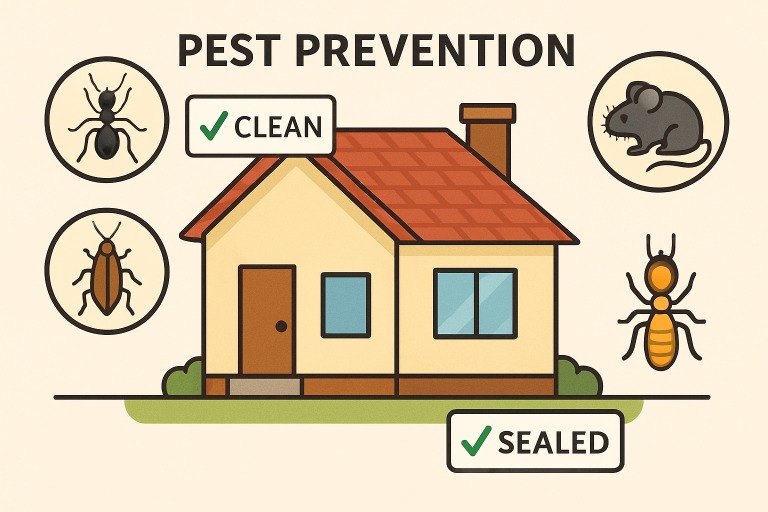
Familiarizing yourself with common pests is crucial for home protection. Ants, mice, rats, cockroaches, and termites are attracted to sweet spills, crumbs, and food. Ants invade kitchens for food, mice and rats seek warmth, cockroaches thrive in damp spaces, and termites destroy wood structures. Other pests include silverfish, fleas, and spiders. Understanding their habits and environmental preferences can help address root causes and prevent future infestations.
Spotting the Signs of a Pest Invasion
Detecting pest problems early is crucial for prevention. Common signs include droppings, urine trails, gnaw marks, damaged food packaging, and unexplained holes. Odd noises indicate rodents, greasy streaks or shed skins indicate cockroaches, and discarded wings, mud tubes, or hollow-sounding wood indicate termites. Dead insects near windowsills or indoor spider webs may indicate a larger issue. Staying vigilant and investigating irregularities can catch invasions early and take decisive action before the problem escalates.
Easy Steps Every Homeowner Can Take
- Keep your home clean: Wipe down counters, vacuum regularly, and promptly clean up food crumbs or spills.
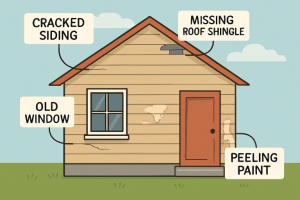
- Seal entry points: Inspect and repair any gaps or cracks around doors, windows, vents, and foundations, using weatherstripping or caulk as needed.
- Store food securely: Use airtight containers for pantry goods and pet food, and never leave food out overnight.
- Manage waste properly: Take out garbage frequently and use trash bins with tight-fitting lids.
- Address moisture issues: Repair leaky faucets, pipes, or downspouts, as pests thrive in damp environments.
- Trim vegetation: Keep shrubs, tree branches, and firewood away from the house to discourage pest entry.
Implementing these practical steps creates a less inviting environment for pests, reducing the risk of infestations and promoting long-term home health.
Knowing When to Seek Professional Help
While small issues can often be resolved with DIY efforts, certain pest infestations require the advanced skills and equipment of professionals. Recurring infestations, widespread damage, or pests such as termites and bed bugs are best handled by experts. If you experience unexplained allergic reactions or notice pests in hard-to-reach areas like attics or crawl spaces, don’t hesitate to call in the pros. Timely intervention can prevent damage and health risks from spiraling out of control.
Eco-Friendly Pest Control Options
Many homeowners now prefer greener, non-toxic approaches to pest control. Utilizing natural deterrents like diatomaceous earth, essential oils, or vinegar can ward off a variety of pests. Biological solutions, such as introducing beneficial insects or nematodes, target specific invaders without harming the ecosystem. Limiting chemical use helps protect your family, pets, and local wildlife, while still keeping unwelcome bugs and rodents at bay. For more detailed advice, the EPA’s guide on safe pest control provides additional strategies and resources.
How Pest Prevention Promotes Health
Proactive pest control does more than protect your property it safeguards your well-being. Many pests carry bacteria and pathogens that can trigger allergies or serious illnesses in humans and pets. Cockroaches are known to exacerbate asthma symptoms, especially in children, while rodents can spread diseases like hantavirus and salmonella. By following expert-recommended prevention steps and minimizing pest-friendly environments, you keep your family healthier and foster a safer home environment.
Adjusting Your Pest Control Routine with the Seasons
Pest activity changes with the seasons, requiring a dynamic approach to prevention. In spring and summer, ants, termites, and mosquitoes are most active, so focus on eliminating standing water, sealing entryways, and conducting annual inspections. Fall brings rodents seeking warmth indoors, while cockroaches and spiders also look for shelter. Winter is a good time to inspect for less obvious pests hiding in walls and attics. Review your strategy several times each year and stay updated with the latest research resources like this Consumer Reports article on seasonal pest control tips offer handy checklists and advice for each season.
Final Thoughts
Persistent pest problems can feel overwhelming, but with the right blend of proactive prevention, timely detection, and eco-friendly interventions, even the most common home invaders can be kept at bay. Remember to stay vigilant year-round, adapt your routines to changing seasons, and consult a professional pest control firm when challenges exceed your expertise. Your commitment to pest prevention not only preserves the integrity of your home but also supports the health and safety of everyone inside.