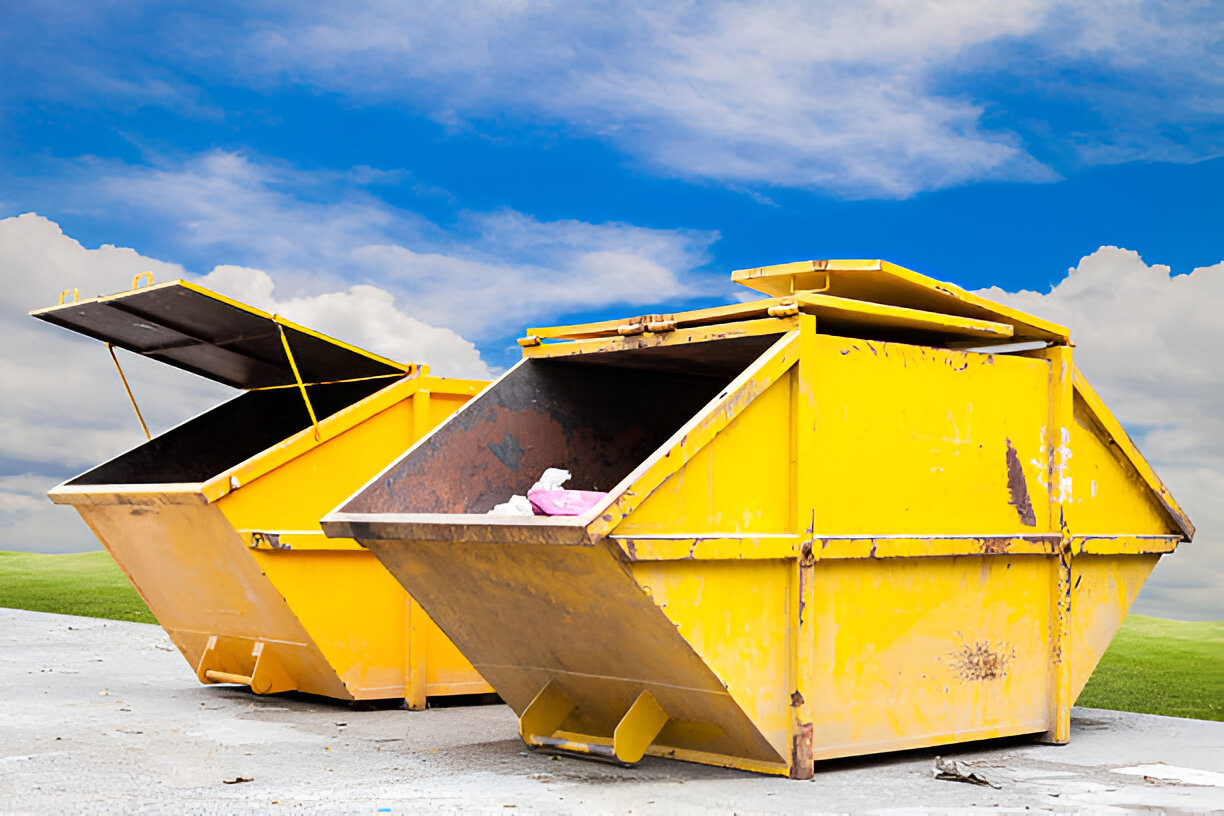
Getting the right skip bin isn’t just about finding the cheapest option. When you’re dealing with construction debris, home renovations, or commercial waste, you need something that won’t fall apart under pressure. Explore heavy-duty skip bins for sale come in various sizes and specifications, but most people end up either overpaying for capacity they don’t need or getting something too small that costs them extra trips. The key is understanding what “heavy-duty” actually means and matching that to your specific project requirements.
What Makes a Skip Bin Actually Heavy-Duty
Real heavy-duty skip bins use 3mm steel walls instead of the standard 2mm you’ll find on regular bins. This might sound like a tiny difference, but it’s huge when you’re loading concrete chunks or metal scraps. The reinforced base plates are usually 6mm thick and welded with continuous seams rather than spot welding.
I’ve seen regular bins crack under the weight of roof tiles, which is embarrassing when you’re trying to clear a job site efficiently. Heavy-duty models also have reinforced lifting points that can handle the stress of being picked up when fully loaded. The door hinges are another weak spot on cheaper bins – look for ones with piano hinges that run the full length of the door.
Size Selection Based on Actual Volume, Not Guesswork
Most people think in terms of “how much stuff they have” rather than actual cubic meters. Here’s what the sizes really mean in practical terms: a 2-cubic-meter bin holds about 20 standard garbage bags worth of loose material. But here’s where it gets tricky – construction waste doesn’t pack like household garbage.
Concrete and masonry fill up space differently than timber or drywall. A 6-cubic-meter bin might only take 2-3 cubic meters of concrete before hitting weight limits, while the same bin could handle 5-6 cubic meters of timber offcuts. Most rental companies have weight restrictions between 3-4 tonnes regardless of bin size.
Weight Limits vs Volume Capacity
This is where people get caught out. A 10-cubic-meter bin sounds massive, but if you’re disposing of soil or concrete, you’ll hit the weight limit at maybe 3-4 cubic meters of actual fill. The bin rental company charges overweight fees that can double your costs.
Green waste like branches and leaves is the opposite problem – you’ll fill the entire volume before getting close to weight limits. Mixed loads are the hardest to estimate, which is why experienced contractors often go one size up from their initial calculation.
Material-Specific Considerations
Different waste types need different approaches. Hazardous materials like asbestos require specific bin types with sealed lids and special handling procedures. Sharp materials like glass or metal require bins with reinforced floors to prevent punctures during transport.
If you’re dealing with liquids or materials that might leak, you need bins with sealed floors rather than the standard drainage holes. Some heavy-duty bins come with optional covers, which aren’t just for weather protection – they prevent materials from blowing out during transport and keep scavengers from making a mess.