Structural integrity forms the foundation of safe construction projects across the upper Midwest. Extreme weather conditions in Minnesota and North Dakota place exceptional demands on metal structures. Buildings and infrastructure must withstand harsh winters, temperature fluctuations, and heavy snow loads throughout the region.
Professional fabrication ensures metal components meet rigorous structural requirements for local conditions. Metal fabrication and welding services in Minnesota and North Dakota employ specialized techniques suited to regional climate challenges. Let’s explore how professional metal services maintain structural integrity across these challenging northern environments.
Regional Climate Considerations
Minnesota winters create extreme thermal stress on metal structures through repeated freeze-thaw cycles. Temperature variations from summer highs to winter lows can exceed one hundred degrees Fahrenheit. Steel expansion and contraction require careful consideration during design and fabrication phases.
North Dakota experiences similar temperature extremes plus high winds that create additional structural loads. Prairie conditions expose structures to weather from multiple directions without natural windbreaks. Metal fatigue occurs more rapidly under these combined stresses, requiring enhanced fabrication standards.
Material Selection for Harsh Conditions
Low-temperature steel grades maintain strength and flexibility during severe cold snaps. Weathering steels resist corrosion while developing protective oxide layers that prevent further deterioration. Stainless steel components handle extreme conditions while maintaining appearance over extended periods. The following material considerations address regional challenges:
- Steel grades rated for low-temperature performance and impact resistance
- Protective coatings that withstand freeze-thaw cycles and chemical exposure
- Alloy selections based on specific environmental exposure conditions
- Thermal expansion joints that accommodate temperature-related movement
- Corrosion-resistant fasteners and connection hardware
Quality Control and Testing Standards
Non-destructive testing methods verify weld integrity without compromising structural components. Ultrasonic inspection detects internal flaws that could lead to failure under stress. Magnetic particle testing reveals surface cracks invisible to visual inspection alone. Tensile strength testing ensures welded joints meet or exceed design specifications. Impact testing confirms materials perform adequately at expected service temperatures. Certification processes document compliance with applicable building codes and industry standards.
Agricultural and Industrial Applications
Farm buildings require specialized designs that handle equipment loads and agricultural chemical exposure. Livestock facilities need ventilation systems that function reliably in extreme temperatures. Industrial fabrication supports oil and gas operations prevalent across North Dakota’s Bakken formation. The following applications demonstrate structural integrity requirements:
- Agricultural buildings designed for equipment storage and livestock protection
- Industrial platforms and supports for oil and gas extraction equipment
- Mining infrastructure that withstands heavy equipment and harsh conditions
- Transportation structures including bridges and railroad components
- Commercial buildings with enhanced wind and snow load capacity
Welding Techniques for Extreme Conditions
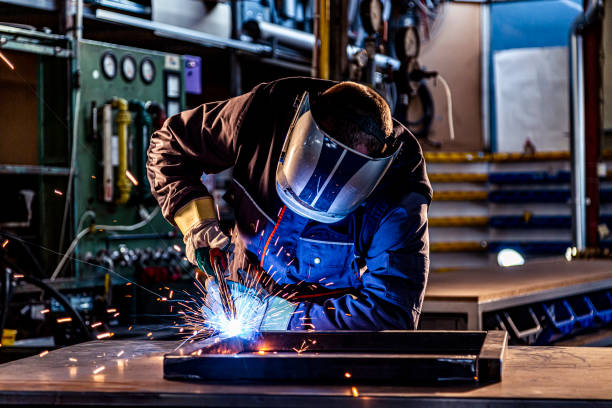
Preheating procedures prevent cracking when welding in cold temperatures. Post-weld heat treatment relieves internal stresses that could cause delayed failures. Shield gas selection protects weld zones from atmospheric contamination during formation. Multiple pass welding techniques ensure complete penetration and eliminate defects. Flux-cored arc welding provides reliable results in windy outdoor conditions common across both states. Certified welders understand regional requirements and maintain appropriate skill levels.
Preventive Maintenance and Inspection
Regular inspection schedules identify potential problems before they compromise structural safety. Coating maintenance protects metal surfaces from accelerated corrosion in harsh environments. Fastener tension checks ensure connections remain secure despite thermal cycling.
Metal fabrication and welding services in Minnesota and North Dakota often provide ongoing maintenance support for structures they create. Documentation of inspection findings helps property owners plan maintenance budgets effectively. The following maintenance practices extend structural life:
- Annual inspections focusing on high-stress connection points
- Coating renewal programs based on environmental exposure levels
- Thermal expansion joint maintenance and adjustment procedures
- Corrosion monitoring in areas with chemical exposure potential
- Structural load assessments following extreme weather events
Structural integrity in Minnesota and North Dakota requires specialized knowledge of regional conditions, These are combined with advanced fabrication techniques and rigorous quality control measures. Metal fabrication and welding services provide essential expertise that ensures structures withstand extreme weather conditions.