Introduction to Data-Driven Workforce Training
Organizations today face the challenge of keeping employees skilled and adaptable in a rapidly evolving business environment. Traditional training approaches often rely on generic materials or outdated methods, which can lead to inefficiencies and disengagement. By contrast, data-driven workforce training emphasizes using performance analytics, employee feedback, and measurable outcomes to shape programs that directly address skill gaps and business needs. This approach ensures learning is more relevant, effective, and aligned with organizational goals.
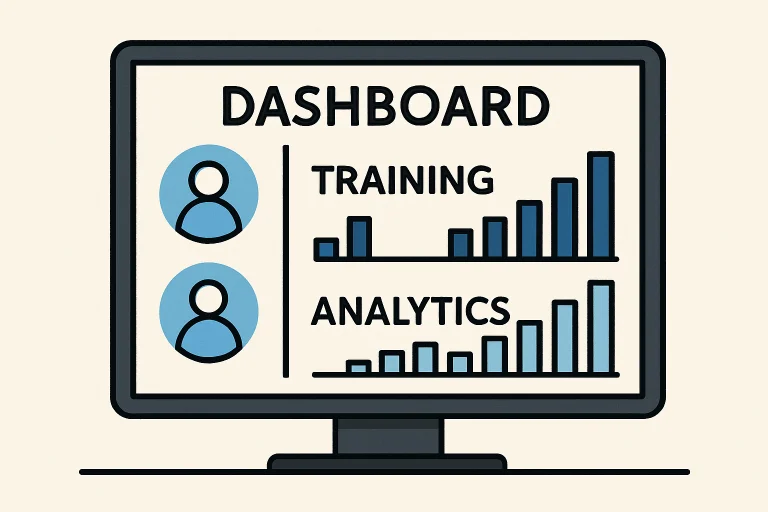
Many businesses are turning to tools that centralize and streamline training efforts to support this shift. Using training management software, companies can track progress, analyze results, and adjust strategies based on real-time insights. This allows decision-makers to create more targeted programs, making workforce development efficient and adaptable to changing demands.
Why Businesses Are Focusing on Data-Informed Learning
As economic pressures and technological advances drive disruption across sectors, the focus on data-informed learning becomes even more critical. Companies that embrace analytics in their workforce training strategies are seeing measurable increases in both employee retention and operational productivity. Instead of simply recording attendance or completion rates, organizations now analyze patterns in employee learning, engagement, and proficiency, gaining insights into how, when, and why their teams learn best.
This results-driven approach is helping businesses identify high-potential employees, respond quickly to skills shortages, and ensure compliance in highly regulated industries. By strategically utilizing training data, leaders can illustrate career advancement opportunities and foster a culture centered on growth, accountability, and high achievement.
Key Components of Data-Driven Training Programs
- Assessment Tools: Comprehensive skills assessments provide a baseline map of current competencies and skill gaps across the organization.
- Personalized Learning Paths: Technology-driven learning journeys adapt content and training intensity according to specific roles, past experiences, and identified weaknesses.
- Ongoing Measurement: Tracking key metrics such as completion rates, assessment scores, and on-the-job performance equips L&D teams with continuous, actionable feedback.
- Feedback Loops: Regular surveys, coaching interactions, and real-time check-ins promote engagement and ensure the training stays relevant to employees’ evolving needs.
Benefits for Organizations and Employees
Adopting data-driven training approaches benefits both the business and its workforce. Customizing training experiences increases employee engagement, satisfaction, and long-term retention. Employees are more likely to prioritize learning that is relevant to their immediate job demands or career ambitions, driving a greater return on investment for the organization’s training spend. Organizations that match learning resources to genuine employee needs demonstrate greater adaptability and resilience, especially during times of rapid change.
The transparency of learning outcomes, paired with the ability to demonstrate direct links between upskilling and performance, makes it easier for HR and leadership teams to secure stakeholder buy-in for new learning initiatives. This clarity streamlines training budgets and maximizes the measurable impact of every learning intervention.
Implementing A Data-Driven Training Approach: Best Practices
- Clearly define training goals that are specific, measurable, and directly tied to key business outcomes.
- Invest in robust tools to collect, analyze, and visualize training data, enabling leaders to monitor progress and outcomes easily.
- Promote collaboration and communication between HR, learning & development (L&D), and IT teams to support seamless integration of technology and data sources.
- Foster transparency regarding data privacy, ethical regulation, and consent to ensure trust and compliance at every stage.
- Encourage a feedback-driven culture for fast and agile course-correction, reinforcing training as a continuous and responsive organizational process.
Potential Challenges and Ethical Considerations
With the increasing reliance on employee performance and personal data, organizations must navigate complex privacy and ethical challenges. Protecting sensitive data is not only a regulatory requirement, but also a trust-building imperative. Ethical training leaders employ robust security protocols and remain transparent about data collection purposes, usage, and access. Balancing insights from quantitative analytics with qualitative feedback ensures that technology supports, rather than replaces, the human side of learning and development.
The Role of Continuous Learning in Workforce Resilience
As industries and skill requirements evolve, organizations that promote continuous learning at every level foster greater resilience and readiness for change. Data-driven training creates an environment where upskilling and reskilling can happen seamlessly and in response to real-time market demands. When employees regularly engage in learning tailored to their aspirations and performance, companies are positioned to thrive through innovation, adaptability, and collective purpose.