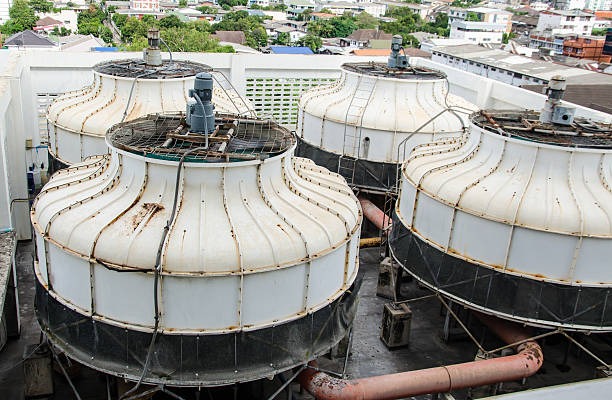
If you manage a building, your cooling tower is one of the hardest-working parts of your HVAC system. When it’s in top shape, everything runs smoothly: the air stays comfortable, energy bills stay predictable, and downtime is rare. But when it slips, even a little, the problems show up quickly, and they usually hit your bottom line.
It doesn’t take much for problems to start. Even a paper-thin layer of biofilm (just 0.006 inches) can make your system use up to 30% more energy while wearing out faster. That means more repairs and higher bills.
So, how do you know it’s time to act? You’ll notice a few signs like slow cooling, dirt and debris building up, strange smells, or a system that always feels like it’s working too hard. With a carefully crafted cooling tower maintenance checklist, you can spot these signs early and take the right steps to protect your system.
Let’s dig deeper into a few signs you need immediate cooling tower maintenance.
- Rising Energy Bills
If your energy bills keep climbing without a clear reason, the lack of cooling tower maintenance may be the culprit. Without regular upkeep, scale, dirt, or biological growth builds up in the system, which makes it harder to move heat.
This extra strain increases energy use, which means you end up paying more to keep your building or plant comfortable. With the energy costs increasing year on year, regular maintenance can help you keep your energy bills in check.
- Loud or Unusual Noises
Cooling towers should run with a steady hum. If you hear grinding, banging, or rattling, something is wrong. Common causes include:
- Worn-out fan bearings
- Loose belts or pulleys
- Misaligned motors
When you create a cooling tower maintenance checklist, be sure to add this step. Watch out for these noises and check the equipment for damage. It’s best to address these issues before they bring your HVAC system to a halt.
- Corrosion or Rust
Cooling towers use water for heat exchange and chemicals to maintain pH balance. But these also create perfect conditions for corrosion, which spreads even faster without regular cooling tower maintenance.
If you see rust spots, leaks, or metal deterioration, act immediately. Corrosion weakens the structure of your cooling tower and may even cause leaks or collapses, putting your crew and the process at risk.
You can quickly fix smaller issues, but if the corrosion has spread to different areas of the system, it’s best to hire a professional cooling tower service. They will apply protective coatings, replace damaged parts, and extend the life of your system.
- Uneven Water Distribution
Cooling towers rely on even water flow to remove heat. If you notice dry areas, poor spray patterns, or clogged nozzles, your tower won’t perform efficiently. This uneven distribution leads to hot spots, increased wear on components, and higher energy use.
It’s another sign you need to watch out for to keep your system running smoothly. Add nozzle inspections to your cooling tower maintenance checklist to prevent long-term damage.
- Foul Odors or Slime Growth
A musty smell or visible slime in your system usually means biological growth. Bacteria, mold, and algae thrive in warm, wet environments. Not only do they block water flow, but they also create health risks, including Legionella bacteria, which can cause serious illness.
You need to immediately clean your tower and get the water treated. Professional cooling tower services can test, treat, and keep your system compliant with health and safety standards.
- Reduced Cooling Performance
Sometimes, the signs aren’t as obvious, but you’ll notice a drop in your system’s cooling performance. It could take longer to reach the desired temperature, and more energy to maintain it.
If your system isn’t removing heat like it used to, you’ve got a problem. Reduced performance often shows up as:
- Warmer indoor spaces
- Overheating machinery
- Longer equipment cooling times
These issues typically point to scaling, fouling, or mechanical breakdowns. If these issues have been slowing your system down more frequently, you might want to revisit your cooling tower maintenance checklist.
Pay more attention to cleaning, mechanical repairs, and water treatment to reduce the risk of biological growth. Roping in a team of professionals can also help you restore performance and protect your equipment.
- Frequent System Shutdowns
Does your system go down often? If you’re facing unexpected shutdowns once every few weeks or a month, that’s a red flag. Frequent shutdowns may happen because of:
- Electrical faults
- Pump failures
- Overheating components
All of these issues point in one direction: a lack of cooling tower maintenance. Each shutdown increases wear and can damage other connected equipment in your system. You’ll need to check your maintenance routine and make necessary adjustments to avoid unplanned shutdowns.
- Excessive Vibration
Vibrations are a part of cooling towers, but your system should not shake excessively. If you feel unusual vibrations, it could mean:
- Loose structural parts
- Misaligned fans or shafts
- Worn bearings
Run a thorough maintenance check with the help of a cooling tower service. Ignoring these issues can shorten the life of your equipment and pose safety risks. So, fix the issue before it causes a shutdown.
- Leaks or Water Loss
A healthy cooling tower should not lose significant amounts of water. Water loss drives up costs and can cause structural problems. If you notice leaks, cracks, or unexplained water loss, call for a cooling tower service immediately.
- Outdated Maintenance Records
This isn’t one of the signs you need immediate cooling tower maintenance, but it’s an incredibly critical part of a healthy system. Maintenance records tell you when the last thorough checkup was performed and what was fixed.
So, create a cooling tower maintenance checklist which typically includes:
- Mechanical inspections
- Basin cleaning
- Nozzle and fan checks
- Water quality testing
Once you have a list, be sure to follow through. Sticking to your maintenance goals helps you extend the lifespan of your tower and avoid surprise breakdowns.
Final Thoughts
Cooling towers don’t fail overnight; they show warning signs first. Rising energy costs, strange noises, rust, poor water flow, foul smells, and reduced cooling performance all signal that it’s time for immediate service. But with a carefully planned schedule and a professional cooling tower service, you can keep your system in excellent shape.