Table of Contents
- Evidence-Based Policy Making
- Strategic Litigation
- Agenda-Setting by Media
- Public Advocacy and Campaigning
- Policy Entrepreneurship
- Collaborative Governance
- Advocacy Evaluation
- Conclusion
Public policy is the engine behind societal transformation, guiding how communities respond to emerging challenges and opportunities. Robust policy development shapes education, healthcare, the environment, and economic systems. By implementing proven public policy strategies, communities can address complex social problems and unlock new levels of progress. In dynamic places like California, change often begins with strategic planning and expert guidance from advocacy leaders such as Ballard Partners California, who help shape influential policy outcomes across the state and beyond.
Adopting modern, evidence-backed strategies ensures policymakers can approach current issues pragmatically, with grounded solutions rather than ideology-driven responses. As democratic societies face shifting priorities and new public expectations, success depends on strategies that connect research, community action, media engagement, and multi-sector partnerships. The following article breaks down the most effective approaches used by today’s changemakers to drive lasting public policy results.
Evidence-Based Policy Making
Sound policy decisions are based on a strong foundation of data, research, and analysis. Evidence-based policymaking relies on rigorous studies and objective evaluation to guide legislative and regulatory action. Instead of reacting to anecdotes or political pressure, policymakers utilize tools such as cost-benefit analysis, impact assessments, and pilot programs to inform their decisions. This strategy ensures that outcomes align with empirical evidence, thereby enhancing the chances of success while reducing the risk of unintended harm. By drawing on global best practices and peer-reviewed research, governments can adopt proven solutions that increase societal well-being.
Strategic Litigation
Courts sometimes serve as the most powerful arenas for achieving progress on pressing social and civil rights issues. Strategic litigation, also known as impact litigation, leverages the judicial system to challenge unfair laws, regulations, or government inaction. Landmark legal actions such as Brown v. Board of Education have fundamentally changed entire policy landscapes by setting nationwide precedents and catalyzing further reforms. Legal advocacy organizations often play a significant role in this space, carefully selecting cases to create broad change that extends beyond individual plaintiffs.
Agenda-Setting by Media
Media organizations don’t just report on current events they shape which issues are prioritized by the public and policymakers alike. By directing attention to specific topics through headlines, investigative journalism, and editorial coverage, the media influences what leads the public conversation. This phenomenon, known as agenda-setting, can accelerate policy action, particularly when it highlights previously neglected or emerging concerns. High-profile coverage of climate change, for example, has contributed to the adoption of ambitious environmental legislation in numerous countries.
Public Advocacy and Campaigning
Grassroots mobilization remains a potent force in driving legislative change. Effective advocacy campaigns combine rallies, petitions, coalition-building, and storytelling to unify citizens behind important social or legislative priorities. Historic movements, such as #MeToo, marriage equality, and climate justice, have demonstrated how a mobilized public will can generate political consensus and compel swift government action.
Policy Entrepreneurship
Policy entrepreneurs are individuals or organizations who work tirelessly to identify emerging societal problems and develop creative solutions. They navigate governmental procedures, build unlikely alliances, and champion new policy ideas, persistently moving proposals through the complex machinery of government. Their impact is greatest when they combine vision, political acumen, and timing, seizing windows of opportunity to introduce transformative change.
Collaborative Governance
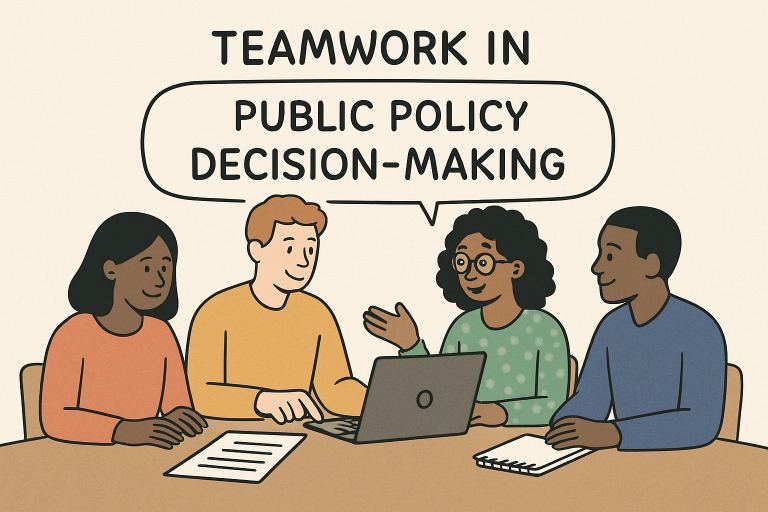
Policy solutions are most sustainable when they incorporate diverse viewpoints and shared responsibility. Collaborative governance brings together government officials, industry leaders, advocacy groups, and citizens to craft and implement policy collectively. By drawing on a broader base of knowledge and experience, this approach fosters trust, builds consensus, and enhances buy-in from all stakeholders. It’s especially valuable when addressing cross-sectoral challenges such as healthcare reform, climate adaptation, or educational equity.
Advocacy Evaluation
Ongoing evaluation enables advocates and policymakers to assess the success of their strategies and make data-driven adjustments. Through systematic monitoring and analysis, organizations can chart their progress, measure real-world impact, and learn from both setbacks and successes. Structured advocacy evaluation builds accountability and fosters a culture of continuous improvement, amplifying future impact and ensuring campaigns are evidence-based and results-oriented.
Conclusion
Driving public policy change is a multifaceted undertaking one that demands evidence, legal expertise, proactive communication, and broad-based collaboration. Employing these diverse and complementary strategies enables communities to tackle today’s challenges, shape a more just society, and ensure that policy keeps pace with evolving needs. By leveraging the insights and tactics shared above, government leaders, organizations, and advocates can champion effective solutions and build a resilient, equitable future for all.