Key Takeaways
- Roof moss isn’t just a cosmetic issue it can lead to significant structural damage and increase repair costs.
- Neglecting moss can threaten home insurance coverage and drastically reduce property value.
- Proactive maintenance and professional cleaning are crucial to prevent costly repairs and safeguard your home’s investment.
Table of Contents
- Understanding Roof Moss and Its Growth
- Structural Damage Caused by Moss
- Escalating Repair Costs
- Impact on Home Insurance
- Decreased Property Value
- Preventive Measures and Maintenance
- Professional Roof Cleaning: A Worthwhile Investment
- Final Thoughts
Understanding Roof Moss and Its Growth
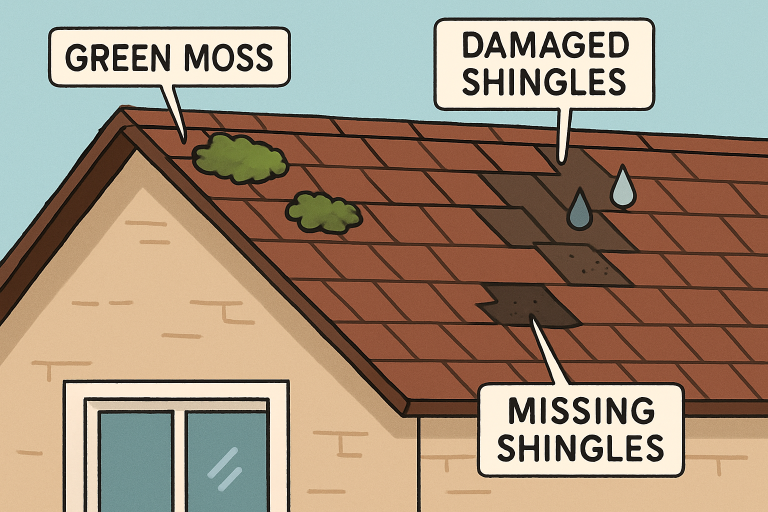
In regions with high humidity and frequent rainfall, roof moss is a common menace that thrives in damp, shaded corners of your home’s roof. Many homeowners underestimate moss, dismissing it as an innocuous green blanket atop their shingles. Yet, this seemingly harmless growth sets the stage for substantial and expensive roof problems down the line. When moss accumulates, it traps moisture against your roof’s surface, accelerating the breakdown of roofing materials a serious concern in places where wet seasons are frequent. For those living in the Pacific Northwest or coastal climates, Roof moss removal Victoria, BC services are not only recommended but practically essential in maintaining property integrity.
Often, homeowners don’t notice moss until it has already started to work its way beneath roof shingles or tiles. Moss holds water like a sponge, and its root system can invade and wedge itself under roofing materials, especially if your roof remains shaded and moist for long periods. This growth, overlooked for just one or two rainy seasons, can evolve from a minor aesthetic issue to a major structural concern.
Structural Damage Caused by Moss
The real threat moss poses is its ability to compromise the very structure of your roof. Moss roots etch their way beneath shingles and tiles, giving water access to the supporting framework below. This leads to slow, often undetected water intrusion that causes wood rot, weakens rafters, and erodes the underlayment. Over time, the cumulative effect of trapped moisture, rot, and decay can threaten the integrity of your entire home.
In climates where the freeze-thaw cycle is a concern, moss becomes even more destructive. Water held by moss during winter freezes and expands, prying shingles apart and exposing underlayers to further water damage. This process accelerates the aging of roofing materials, potentially voiding roof warranties and reducing the lifespan of your investment.
Escalating Repair Costs
Mild moss growth can be easily cleaned off if caught early, but if ignored, it can escalate into repairs costing thousands of dollars. Homeowners may face the replacement of entire sections of damaged shingles, repair of rotten wood, remediation of attic mold, and other similar issues. According to the Forbes guide to roof replacement costs, the average price of a new roof ranges from $5,000 to over $15,000, depending on the severity of the underlying damage. A couple of years of deferred maintenance can transform a minor bill into a major emergency.
Impact on Home Insurance
Your homeowners’ insurance policy might be at risk if roof moss is neglected. Insurers are increasingly strict about visible moss or evidence of water intrusion. The reasoning is straightforward: moss is a preventable cause of damage, and failing to address it constitutes homeowner negligence. In some cases, insurers have denied claims outright or cancelled renewals if routine maintenance such as moss removal and gutter cleaning was not clearly documented.
Decreased Property Value
Moss is a red flag to both real estate agents and potential buyers. It signals deferred maintenance and potential hidden leaks, both of which can negatively impact your asking price or lead to significant post-inspection credits. Today’s buyers, empowered by inspectors and agents, often walk away from deals or demand reductions in the range of $15,000–$20,000 when they see moss, “organic growth,” or noticeable granule loss cited in a report.
Preventive Measures and Maintenance
Keeping moss at bay means prioritizing roof maintenance throughout the year. Homeowners should schedule professional inspections at least annually, especially after heavy rain or snow seasons. Keep gutters and downspouts clear to ensure proper drainage, and trim trees to allow sunlight to reach shaded areas. Installing zinc or copper strips at the roofline can inhibit moss from taking hold, providing a cost-effective, long-term deterrent.
- Schedule at least one roof inspection per year.
- Clean gutters and downspouts regularly.
- Trim branches and anything casting excessive shade on your roof.
- Install zinc or copper strips to prevent moss settlement.
Professional Roof Cleaning: A Worthwhile Investment
Professional roof cleaning is a crucial strategy for homeowners looking to protect their investment. It’s not just about aesthetics: a typical roof cleaning costs between $400 and $800, a fraction of the expense involved in roof replacement or structural repair. Roof cleaning companies use specialized equipment and industry-approved techniques to eradicate moss without damaging shingles safely. Regular cleanings extend the life of your roof and keep properties looking sharp and market-ready.
Additionally, employing professionals ensures that the process is safe and comprehensive, reducing risks to yourself or the roof’s structure. Regular, expert care demonstrates good home maintenance, which insurance companies and prospective buyers value.
Final Thoughts
Moss might appear harmless at first, but its unchecked growth can carve a path toward extensive roof repairs, higher insurance premiums, denied claims, and declining home values. Acting with annual inspections, routine cleaning, and proactive maintenance not only saves money but also protects your home’s long-term structural integrity. Don’t let a preventable problem turn into a crisis—address moss growth early and safeguard your largest investment.