Table of Contents
- Choose the Right Knife for the Task
- Keep Your Knives Sharp
- Practice Proper Cutting Techniques
- Store Knives Safely
- Clean Knives Immediately After Use
- Teach Children Knife Safety
- Be Aware of Your Surroundings
- Use Knives Only for Their Intended Purpose
- Conclusion
Knives play an essential role in various aspects of our daily routines, ranging from meal preparation to basic household tasks. With their versatility and necessity, it is easy to overlook how quickly accidents can happen when knives are not handled properly. Understanding basic knife safety is critical for preventing injuries in the kitchen and around the house. If you are looking for high-quality tools or advice about proper knife use or maintenance, consider visiting a trusted Texas knife company for more information and product options.
Even though knives might seem simple, a moment’s lapse in attention or misuse can have serious consequences. Proper training, care, and cautious use are essential to keep yourself and those around you safe. This guide covers essential knife safety tips and practices for anyone looking to work more safely with knives, whether you are a home cook, artisan, or just someone handling packages and boxes.
Choose the Right Knife for the Task
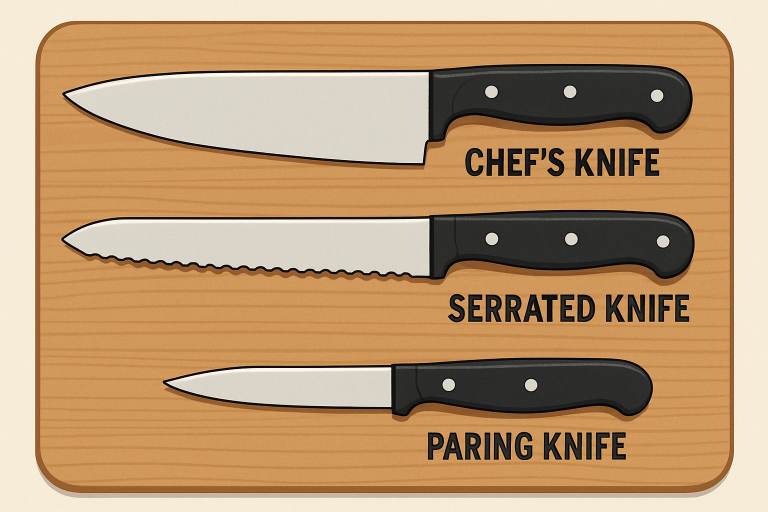
Selecting an appropriate knife is the first step toward safe, efficient cutting. Each knife type is designed for a specific purpose. Using the wrong knife for a task increases your risk of losing control over the tool, damaging the blade, or causing injury. For example, a chef’s knife is best suited for chopping vegetables and herbs, while a serrated knife excels at slicing bread without crushing it. Paring knives are smaller and ideal for peeling or making delicate cuts. Understanding which knife to use and when helps you work efficiently and safely in the kitchen.
Keep Your Knives Sharp
Contrary to common belief, dull knives are far more dangerous than sharp ones. A sharp knife requires less downward force and is less likely to slip when cutting. This means greater control and reduced chances of slipping, which is one of the most common causes of accidental cuts. Regular maintenance with a sharpening stone or professional service preserves the blade’s edge, ensuring precision and safety. According to Consumer Reports experts, adopting safe habits, such as routinely sharpening your knives, can make your kitchen a much safer environment.
Practice Proper Cutting Techniques
Safe knife handling is all about technique. Always cut away from your body, not toward yourself, and keep your non-cutting fingers tucked in (the “claw grip”) to minimize the chance of accidental contact with the blade. Use a cutting board and stabilize whatever you are cutting to prevent slips caused by unsteady surfaces. Proper grip, posture, and controlled motions make a significant difference in your safety while working with any knife.
Store Knives Safely
Safe storage protects both the person handling the knife and the blade itself. Options for secure knife storage include knife blocks, magnetic wall strips, and blade guards or sheaths. Make certain knives are never left loose in a drawer, where they can cause accidental cuts or get damaged by banging against other utensils. Knives should also be kept well out of children’s reach, reducing the chance of unintentional injuries. For more storage tips, consult resources from the American Heart Association.
Clean Knives Immediately After Use
Cleaning knives right after use prevents food from sticking and makes washing safer and faster. Hand washes your knives with warm, soapy water, keeping them on a flat surface or holding them by the handle away from the edge. Avoid soaking knives in sinks, where they may not be immediately visible and could cause accidental cuts. Drying knives promptly also helps prevent rust and preserves the blade’s finish.
Teach Children Knife Safety
Teaching children about knife safety is a lifelong investment in their well-being. Begin by giving age-appropriate knives and demonstrating proper techniques under close supervision. Discuss why knives should only be used for their intended purpose and reinforce that they are not toys. Programs and resources are available to help parents introduce safe practices to children.
Be Aware of Your Surroundings
When using a knife, always check your surroundings for other people, pets, or obstacles that may disrupt your concentration or cause you to accidentally bump into them. Maintain a clear, uncluttered workspace, and let others nearby know when you are handling a sharp tool. If you need to walk with a knife, hold it securely by your side, with the blade pointed downward and away from your body.
Use Knives Only for Their Intended Purpose
Knives are engineered for slicing, dicing, and other specific cutting tasks, not for prying, unscrewing, or opening cans. Using a knife for anything other than its intended purpose can damage the blade or cause it to slip, dramatically increasing your risk of injury. Stick to each knife’s intended purpose to maintain its condition and prioritize safety. By following these safety principles, you can significantly reduce your risk of accidents while making the most of your daily tools. When cared for and used wisely, knives remain invaluable assets in the kitchen and beyond.
Conclusion
Proper knife safety is essential for everyone, whether you’re a home cook, a professional chef, or someone who handles knives for everyday tasks. By choosing the right knife, keeping blades sharp, practicing correct cutting techniques, and storing them safely, you minimize the risk of accidents and ensure your tools remain effective. Teaching children safe handling, being mindful of their surroundings, and using knives only for their intended purpose further reinforces a culture of safety in the home. With consistent care, attention, and respect, knives can remain both functional and safe for daily use.