Key Takeaways
- Outpatient treatment provides a balance between therapy and daily life, enabling individuals to continue work, education, and family commitments.
- Comprehensive services, including counseling and medication-assisted treatment, are integral to outpatient programs.
- Recent expansions in outpatient services have increased accessibility and effectiveness in addiction recovery.
Outpatient treatment programs are playing an increasingly pivotal role for individuals pursuing recovery from substance use disorders. These programs give people the ability to manage their treatment needs around their everyday responsibilities, providing a route to recovery that does not require leaving work, school, or family. The value of this flexible approach has been recognized by providers across the country, with accessible options such as IOP in Boston offering support tailored to diverse life situations.
The adaptable nature of outpatient programs makes them an attractive and often essential component of many recovery plans. This model supports people at various stages in their recovery by combining clinical intervention with the continuity of normal life, which can be particularly beneficial for individuals who wish to maintain social and professional relationships while receiving high-quality care.
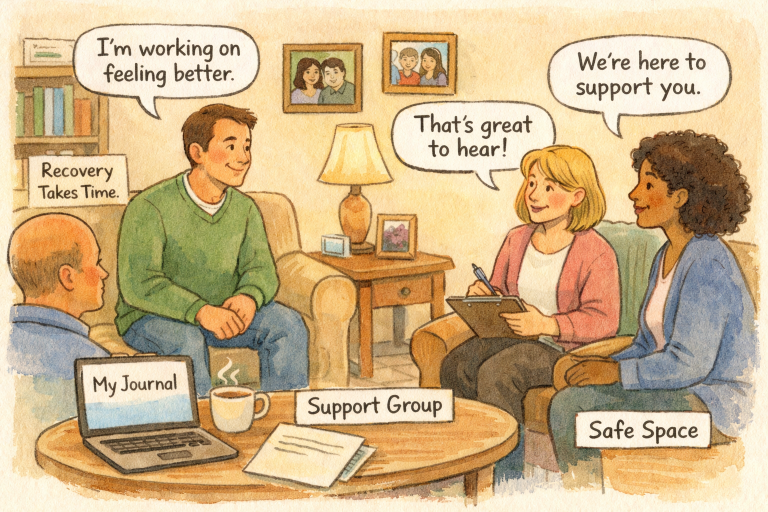
In addition to flexibility, outpatient treatment programs often foster a sense of empowerment and personal accountability. Support systems, such as peers in group therapy or family members engaged through therapeutic activities, further reinforce the individual’s commitment to positive change. This structure helps many participants to build resilience and a sustainable approach to recovery.
Recent years have seen a significant expansion of outpatient services, with new clinics and support tools making these programs even more accessible. The positive impact is evident not just in urban areas but also in communities with historically limited resources, creating new opportunities for effective, meaningful behavioral health interventions.
The Flexibility of Outpatient Programs
A core strength of outpatient treatment lies in its ability to adapt to the schedules and obligations of participants. Unlike residential rehabilitation, which requires individuals to reside at a treatment center, outpatient care is structured around regular appointments and group sessions that can fit around personal and professional duties. For example, healthcare providers like Plugged In Recovery have tailored their outpatient offerings to meet increasing demands for addiction and mental health support, as reported by PR Newswire.
This flexibility is vital for individuals who might otherwise be unable to seek help, including parents, full-time employees, and students. By empowering clients to continue fulfilling their roles and responsibilities, outpatient treatment can make recovery feel more attainable and integrated into daily life.
Comprehensive Services Offered
Outpatient programs vary in intensity and offerings, but most emphasize a whole-person approach to care. Common components include:
- Individual and Group Counseling: Fosters reflection, growth, and supports the development of healthy relationships.
- Medication-Assisted Treatment (MAT): Includes supervised medication, combined with therapy, to support long-term management and reduce relapse risk.
- Family Therapy: Invites loved ones into the recovery process to repair bonds and promote a stable, supportive environment at home.
These services are expanding. The County of Santa Clara, for example, opened a new outpatient clinic in Gilroy to address substance use and mental health needs, according to a report from their official news source. Such advancements highlight the increasing recognition of outpatient care as a vital avenue for recovery.
Recent Expansions in Outpatient Services
Awareness of the effectiveness of outpatient treatment models is fueling investment at the state and local levels. In New York, for example, more than $5.8 million has been awarded to launch integrated outpatient programs that provide a full range of addiction services. This kind of initiative reflects a nationwide commitment to making treatment available to more people, regardless of their geographic location or socioeconomic status. These programs are designed to help those with opioid use and other substance disorders by removing barriers to essential care.
Telehealth: A New Frontier in Outpatient Care
Telehealth has revolutionized outpatient recovery, broadening the reach of care. In Pennsylvania, for instance, people can now access addiction treatment programs fully online, making it possible to receive evidence-based services from home. This is particularly beneficial for rural areas or individuals with limited mobility. This shift to digital care increases both convenience and confidentiality, further promoting engagement and adherence among participants.
Success Stories and Outcomes
Research continues to underscore the benefits of outpatient models for lasting recovery. Studies show that those who complete a combination of residential and outpatient treatment maintain higher rates of abstinence one year after treatment. Completion of these programs, particularly when coupled with ongoing support and comprehensive services, correlates strongly with long-term recovery success. For instance, one-year abstinence rates for individuals completing both levels of care can exceed 65 percent, according to industry reports cited by PR Newswire.
Ongoing support and skills-building are critical to these positive outcomes. Outpatient treatment helps individuals learn to navigate real-life challenges while staying connected to a community of support.
Challenges and Considerations
While outpatient treatment offers considerable benefits, it is not without challenges. Success often hinges on participant motivation and access to supportive environments outside of therapy sessions. Transportation barriers, technological limitations for telehealth, or unstable housing can interfere with participation and progress. Providers must consider these factors when designing programs, ensuring that services remain accessible and that participants have the resources necessary to thrive.
Collaboration with local organizations and continued funding from both public and private sectors are essential to address these obstacles. Building robust support systems and investing in outreach can further help reduce disparities in access and outcomes.
Conclusion
Outpatient treatment remains a cornerstone of recovery for many individuals facing substance use disorders. Through adaptable, comprehensive, and accessible care, these programs help people weave recovery into the fabric of daily life. As support systems and telehealth technology continue to grow, outpatient care becomes even more effective in empowering lasting change and promoting overall well-being.