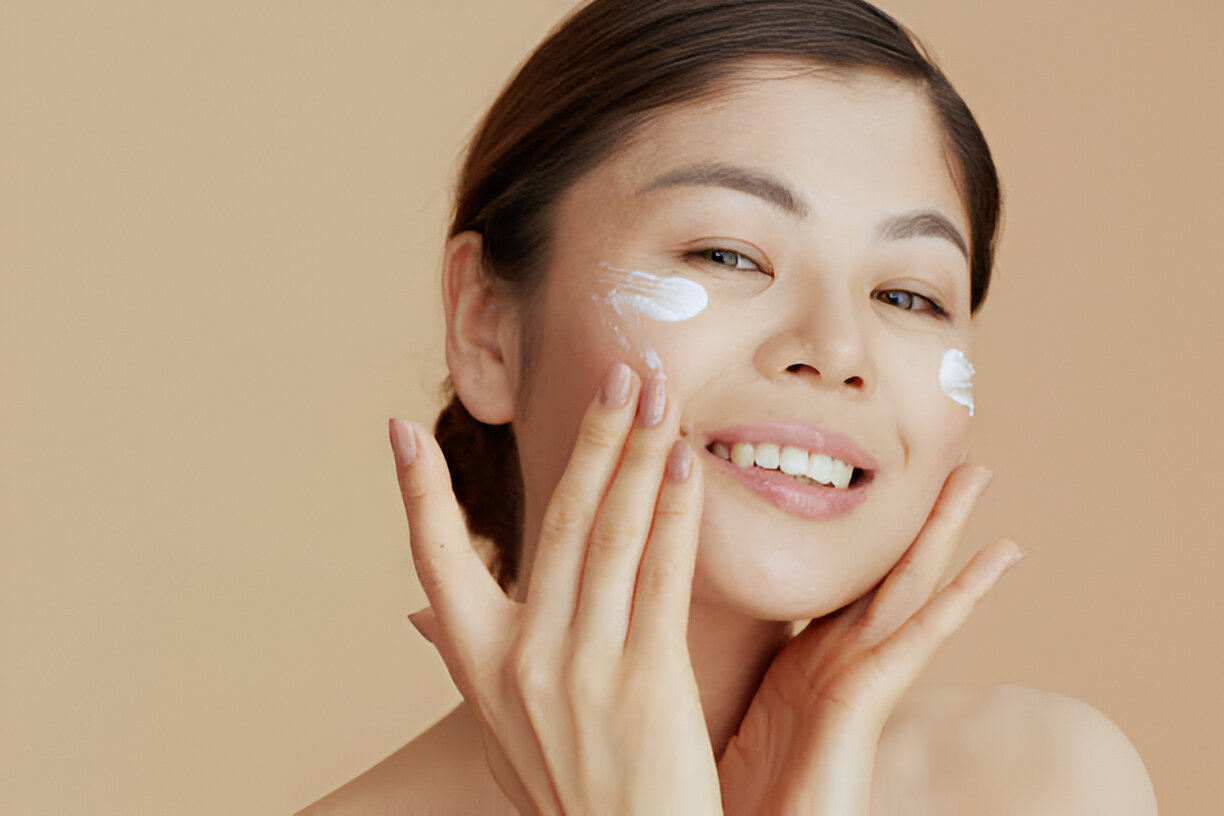
Choosing the right face cream for sensitive skin feels like navigating a minefield when every second product makes your face red and angry. I spent years dealing with burning, itching, and breakouts before figuring out that most skincare advice completely ignores how sensitive skin actually works. The problem isn’t just about avoiding harsh ingredients – it’s about understanding what your skin barrier needs to function properly and finding formulations that support rather than disrupt this delicate system.
Understanding Your Skin Barrier Function First
Your skin barrier is basically a brick wall made of dead skin cells held together by lipids like ceramides and fatty acids. When this barrier gets damaged – which happens easily with sensitive skin – water escapes and irritants get in. This creates that tight, stinging feeling you get with the wrong products.
Sensitive skin often has a compromised barrier from birth or damage from over-cleansing, harsh weather, or using too many active ingredients. The goal isn’t to toughen up your skin, but to repair and protect this barrier so it can do its job properly.
Trans-epidermal water loss (TEWL) testing shows that sensitive skin loses moisture at nearly double the rate of normal skin. This means you need ingredients that both prevent water loss and help the barrier repair itself, not just temporary moisture that sits on the surface.
Identifying Your Specific Sensitivity Triggers
Fragrance remains the biggest culprit for sensitive skin reactions, but it hides under dozens of different names on ingredient lists. Terms like “parfum,” “aroma,” and even “natural fragrance” can all cause problems. Essential oils, despite being natural, often contain the same irritating compounds as synthetic fragrances.
Alcohol denat appears in many face creams as a preservative or to help other ingredients absorb better. While some people tolerate it fine, sensitive skin often reacts with immediate stinging and long-term dryness. Look for fatty alcohols like cetyl or stearyl alcohol instead – these actually help moisturize.
Sulfates, parabens, and formaldehyde-releasing preservatives cause issues for different people. The key is tracking which specific ingredients cause your reactions by keeping a simple log of products that work versus those that don’t.
Reading Ingredient Lists Like a Scientist
The first five ingredients make up most of the formula’s volume, so focus your attention there. If you see potential irritants in those first five spots, skip the product regardless of what comes later in the list.
pH levels matter more than most people realize. Healthy skin sits around pH 5.5, but many face creams are formulated at pH 7 or higher for stability reasons. This alkaline environment disrupts the skin barrier and makes sensitivity worse over time.
Concentration matters as much as the ingredient itself. A product might contain a beneficial ingredient like niacinamide, but at concentrations too high for sensitive skin to handle. Starting with lower concentrations and building up tolerance works better than diving into high-strength formulas.
Patch Testing Methods That Actually Work
Patch testing on your inner wrist doesn’t predict facial reactions accurately because the skin there is much thicker and less sensitive. Instead, test on the skin behind your ear or on your jawline near your ear – these areas have similar sensitivity to facial skin.
Apply a small amount and wait 24 hours for immediate reactions, but also check again at 48 and 72 hours. Some sensitivity reactions, especially to preservatives, take days to develop fully. I learned this after thinking a product was safe, only to develop dermatitis three days later.
Test only one new product at a time, even if you’re excited about a whole new routine. If you introduce multiple products simultaneously and have a reaction, you won’t know which one caused the problem.
Beneficial Ingredients That Actually Help Sensitive Skin
Ceramides work because they’re identical to the lipids naturally found in healthy skin barriers. Look for ceramide NP, AP, and EOP specifically – these are the most researched forms that show actual barrier repair benefits.
Niacinamide at 2-5% concentrations reduces inflammation and helps the skin produce more natural moisturizing factors. Higher concentrations can cause flushing in sensitive skin, so start lower and increase gradually if tolerated.
Hyaluronic acid draws moisture from the environment into your skin, but only works in humid conditions. In dry climates, it can actually pull moisture out of deeper skin layers, making dryness worse. Pair it with occlusive ingredients like dimethicone to lock in the hydration.
Application Techniques for Maximum Tolerance
Apply face cream to slightly damp skin to help with absorption and reduce the chance of pilling or irritation. Pat, don’t rub, especially around the delicate eye area where the skin is thinnest and most reactive.
Less is genuinely more with sensitive skin. Using too much product can overwhelm compromised barriers and cause congestion or irritation. Start with a pea-sized amount for your entire face and add more only if needed.
Timing matters – apply your face cream within three minutes of cleansing while your skin is still slightly moist. This traps water in your skin and makes the moisturizer more effective at lower application amounts.