Managing apparel production timelines is key to running a successful fashion business. Even a short delay can cause missed launch dates, lost sales, and unhappy customers. The good news? Most delays can be avoided with smart planning, clear communication, and reliable partners. Here are five useful tips to help keep your production on track and your deliveries on time.
Managing Apparel Production Timelines: 5 Tips to Avoid Order Delays
1. How Delays Impact Your Business
One of the most direct effects of late shipments is lost revenue. If your seasonal line or special campaign misses its launch window, you may be left with unsold stock and forced to offer discounts.
Delays also erode customer trust. When shoppers expect delivery by a certain date and don’t get it, they’re less likely to return—and more likely to leave bad reviews.
In B2B sales, delays can strain relationships with wholesale partners. Retailers rely on punctual delivery, and if you miss deadlines, they may stop reordering or switch to other suppliers.
Late deliveries can also result in financial penalties. Many retailers include strict delivery clauses in their contracts. Missing deadlines could mean chargebacks, canceled orders, and damage to your margins—especially if you’ve already spent heavily on production.
Beyond that, delays can hurt internal operations. When orders are late, it affects new product launches, planned marketing campaigns, and warehouse schedules. This puts extra pressure on logistics, customer service, and future planning. In fast-paced categories like performance wear, experienced activewear manufacturers know how important timing is, and they structure their processes to support tight deadlines.
And most importantly, repeated delays damage your brand reputation. Whether you’re just starting or already established, being seen as unreliable can slow your growth.

Delays can also erode customer trust. If your website promises delivery by a certain date and you fail to meet it, customers are less likely to return.
2. Common Causes of Production Delays
Most production delays happen for clear, avoidable reasons. Knowing what to watch out for is the first step toward solving the problem.
Lack of proper planning is one of the top causes. When deadlines for key steps like fabric readiness, sample approval, or inspections aren’t clearly set, things fall behind quickly. Brands sometimes also underestimate how much time each stage needs.
Material delays are another big issue. If fabric or trims aren’t available on time, production can’t move forward—no matter how ready the factory is. Custom materials or imports from multiple suppliers often cause slowdowns.
Some factories also take on more orders than they can handle, causing bottlenecks. Without enough space or workers, factory capacity issues can delay stitching or quality control.
Finally, logistics and shipping challenges—like port congestion, customs delays, or courier shortages—can ruin your delivery plan even if production was finished on time. Without built-in buffer time, small shipping issues can cause big problems.
By recognizing these risks early, brands can create more realistic timelines and work with their factories to prevent delays before they happen.

Logistics and shipping challenges often cause final delivery delays
3. Strategies to Stay on Schedule
Build a detailed production timeline: Don’t rely on a rough estimate. Break the process into steps—like fabric arrival, sampling, cutting, sewing, finishing, and packing. Set clear deadlines and confirm them with your factory from the start.
Maintain regular and structured communication: Weekly check-ins via email, chat, or video calls help you track progress and flag problems early. Use a shared document or production tracker to stay aligned and accountable on both sides.
Work with experienced, process-driven manufacturers: Choose suppliers who have years of experience in your product category and who use LEAN systems. These factories are more likely to manage time well, avoid errors, and deliver reliably. Many ethical clothing manufacturers follow these methods, combining transparency with strong internal systems.
Prepare clear contingency plans: Always have a backup—like alternative fabric options or a second shipping method. Delays can still happen, but a strong plan helps reduce their impact and keeps things moving.
Assess the factory’s internal management systems: Ask how they manage workflow, prioritize orders, and handle tight timelines. A well-organized factory—with solid planning, experienced supervisors, and efficient layouts—is more likely to deliver on time.

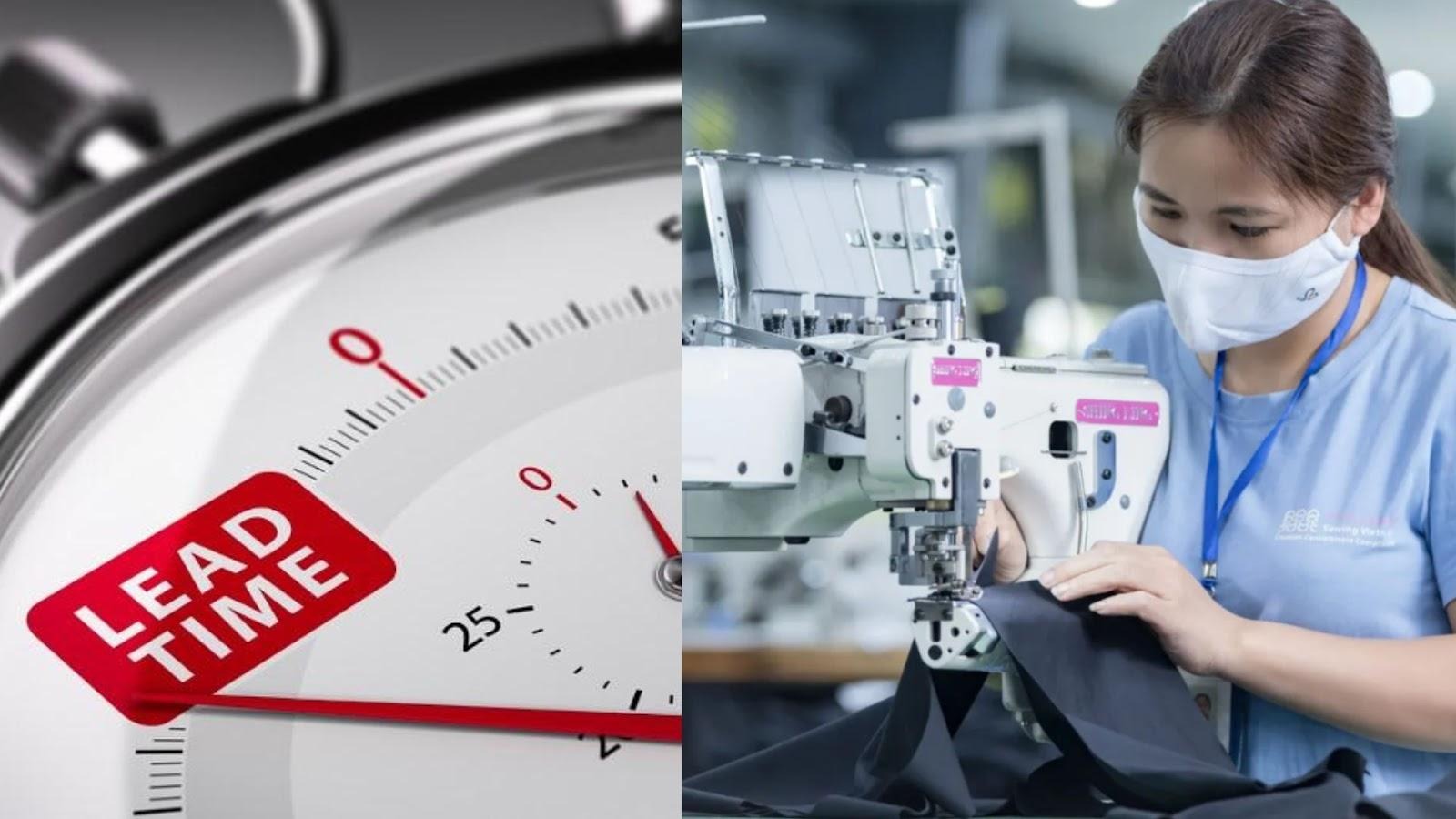
Build a detailed production timeline: Don’t just estimate a general lead time, break it down into concrete stages
In conclusion, Production delays can cause more than just missed sales—they can impact your team, your operations, and your reputation. But with smart planning, consistent communication, and trusted manufacturing partners, you can keep your production on schedule.
When you stay on time, you not only avoid problems—you build a stronger brand, earn customer trust, and create space for long-term success.