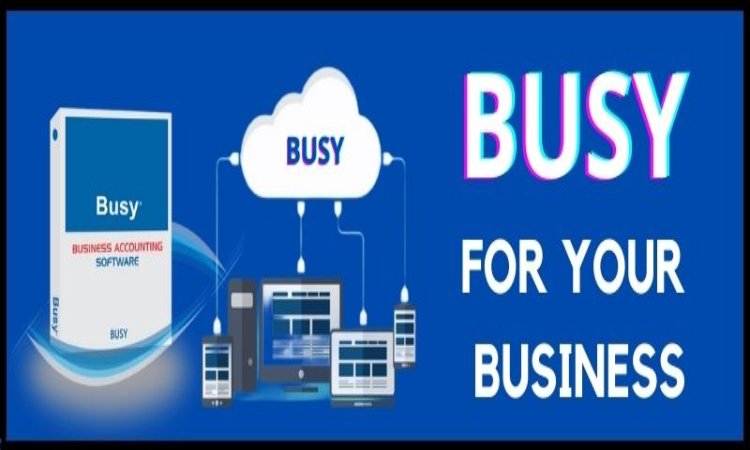
Cloud-based accounting software is the future of financial management because it changes how organisations keep records, plan and make decisions. By putting ledgers, invoices and reports online, firms get instant access to current numbers and can act faster. For businesses of any size, this shift turns accounting from a historical task into a live management tool that supports growth.
Let’s take a closer look at why cloud-based accounting software is increasingly viewed as the future of modern financial management:
Real-Time Insights and Always-On Access
Cloud-based accounting software provides continuous, uninterrupted access to cash flow and reports, allowing you to check them from any location and at any time of the day. This immediate insight helps managers detect potential cash shortages or surplus funds much earlier than traditional methods. As a result, decision-making becomes faster and more precise, eliminating the chances of delays that usually happen when teams wait for month-end reports or manual data entry updates.
Scalability and Cost Efficiency
Cloud platforms scale with your business, so you can add users, locations or functions without heavy IT work. This pay-as-you-grow model lowers initial cost and helps startups and SMEs access the same tools as larger firms. Predictable subscription pricing also makes budgeting simpler.
Automation and Fewer Errors
Modern cloud systems automate reconciliations, recurring entries and tax calculations. Automation cuts manual data entry and reduces human mistakes. When routine tasks are automated, your finance team can focus on providing advice and analysis that adds real value to the business.
Team Collaboration
Cloud-based accounting software allows multiple users to share an accounting file with different permission levels. Finance, sales and operations can all view the same figure. This collaboration enhances planning and eliminates the need to exchange spreadsheets back and forth via email.
Improved Security and Compliance
Cloud providers spend time and money on encryption, backups and updates. Centralised systems make it easier to apply tax updates or regulatory changes across all users. For businesses that are expanding, it cuts down on operational risk associated with using local servers.
Enhanced Forecasting and Decision Support
Cloud-based accounting software captures live data, which feeds forecasting tools and dashboards. Such live data allows you to easily model cash flow scenarios to see what really affects pricing or cost changes. This capability to look ahead is a key element to the evolving future role of finance teams.
More Rapid Innovation and Vendor Updates
Cloud vendors push updates centrally, which means users get all the new features and compliance patch updates without installing or doing anything manually. This speed of innovation allows finance teams to get benefit from better tools more quickly and use new automation or analytics, whenever they are available.
Cloud-based accounting software changes the game of financial management by making data real-time, processes automated and control stronger. It reduces costs, supports growth and lets finance professionals focus on forward-looking advice rather than past entries. Early adopters can plan with greater confidence and respond to change more quickly.
It also encourages better vendor relationships by providing transparent billing histories and timely supplier payments, which improve trust and may lead to better terms, discounts and operational resilience.
Busy is an accounting software that offer cloud accounting software that benefits small businesses, including online invoicing and reconciliation. Adopting cloud-based accounting software is a strategic step towards modern finance. If you want your finance function to be proactive and resilient, moving to the cloud gives you the tools to manage money with clarity and speed.