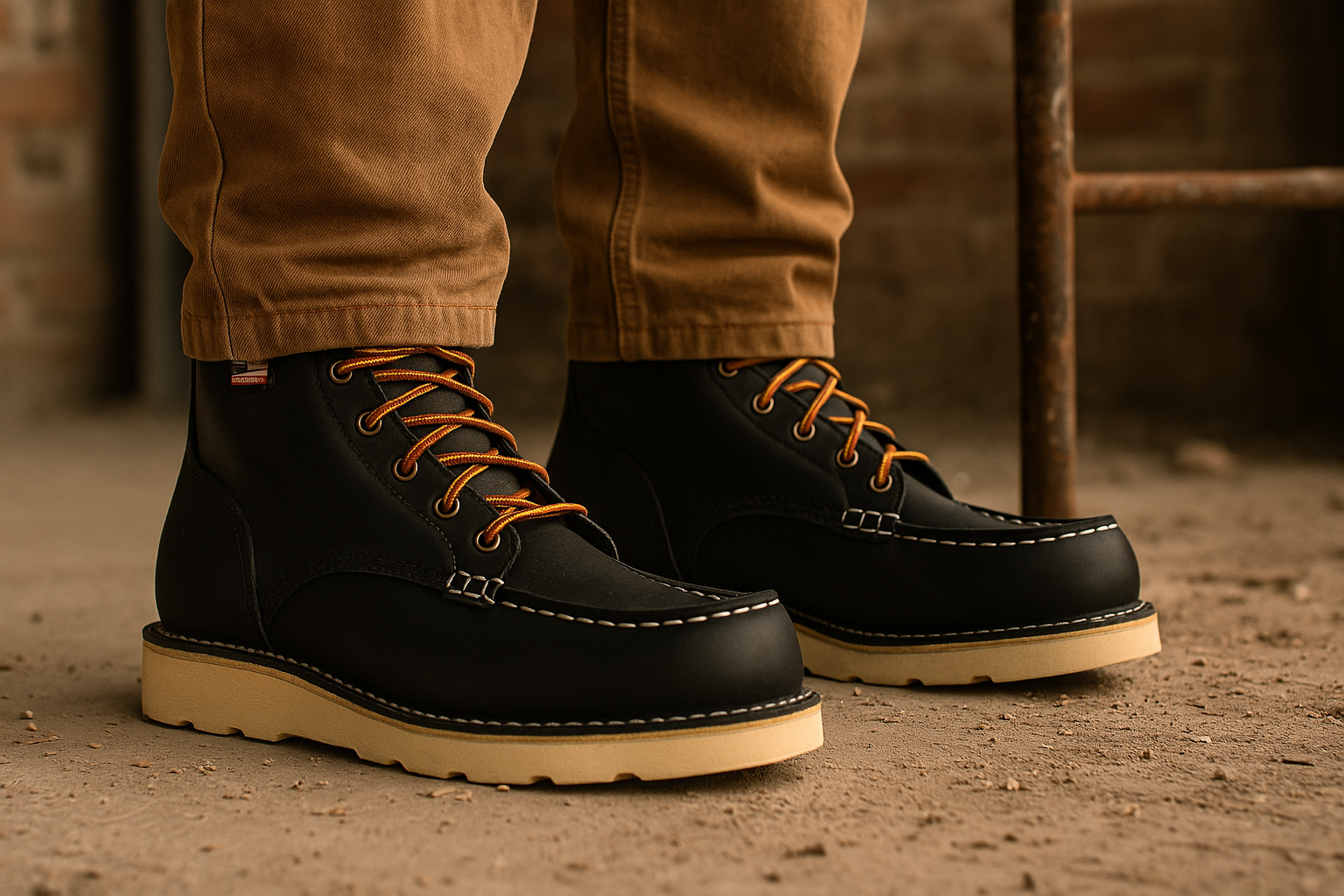
When it comes to safety and performance on the job, choosing the right footwear isn’t something you can afford to get wrong. For professionals working in construction, warehousing, utilities, and logistics, lightweight work boots for men have become essential gear, not just a nice-to-have upgrade.
Finding boots that protect you without feeling like ankle weights takes some know-how. This guide breaks down what to prioritize when shopping for lightweight safety boots in 2026, based on real-world testing and occupational safety research.
Why Lightweight Work Boots Matter in 2026
Your boots directly affect how you move, how tired you get, and how safe you stay on the job. Studies show that occupational footwear influences gait, muscle activity, posture, and fall risk, particularly for workers who spend long hours standing and walking.
Heavy or poorly designed safety boots make your body work harder. They increase the workload on your lower limbs and raise your energy expenditure, which leads to quicker fatigue, altered movement, and reduced responsiveness during long shifts.
Traditional work boots prioritize toughness above all else. Today’s best models deliver protection without the excess weight, using better materials and smarter design to reduce strain throughout your workday.
Key Evaluation Criteria for 2026
When you’re shopping for lightweight work boots this year, focus on performance, not just the number on the scale. The right boot balances five critical elements: certified protection, durable materials, slip and puncture resistance, internal support, and breathability. Weakness in any of these areas can slow you down or put you at risk. Choose boots that perform well across all five categories, not just boots that feel light when you first try them on.
1. Protective Standards with Reduced Weight
Safety comes first, but weight matters. Modern boots should meet or exceed ASTM F2413 standards for impact, compression, and puncture resistance while weighing no more than about 3.5 lbs per pair. Composite toe caps, typically made of fiberglass or carbon fiber, offer strong protection while reducing weight and improving thermal and electrical insulation compared to traditional steel.
2. Upper Materials and Abrasion Resistance
Heavy full-grain leather is giving way to lighter synthetic blends like ripstop nylon or microfibre composites. These engineered materials maintain abrasion and puncture resistance while improving weight distribution and breathability.
Look for:
- Reinforced toe and heel areas (TPU overlays)
- Waterproof or water-resistant membranes (e.g., Gore-Tex® or eVent®)
- Stitchless seams or heat-sealed bonding for durability
These materials hold up longer when exposed to chemicals or moisture, reducing how often you need to replace your boots and saving you money over time.
3. Sole and Slip Resistance Technology
Boot outsoles should match the hazards you face on your specific job site. The CDC found that providing slip-resistant footwear led to a 67% reduction in slip-related injury claims among workers in high-risk environments.
To verify traction performance, check for:
- ASTM F2913 slip-resistance certification
- Oil-, chemical-, and heat-resistant rubber outsoles
- Multi-directional tread patterns for uneven terrain
Look for brands using Vibram®, Michelin®, or proprietary rubber compounds tested in industrial environments.
4. Fit, Arch Support, and Structural Stability
Boots that don’t fit right compromise your safety and leave you uncomfortable at the end of every shift. Poor fit causes foot fatigue, reduces stability, and increases strain on your muscles and joints, especially during long days on hard surfaces or uneven ground. A proper, supportive fit distributes your weight evenly, keeps you balanced, and prevents pressure points.
Key structural features to prioritize:
- Removable insoles with arch support
- EVA or PU midsoles for cushioning and rebound
- Ankle collars with firm yet flexible support
- Lightweight nylon or fiberglass shanks for stability
This internal support system matters most when you’re working on uneven surfaces, climbing ladders, or standing on scaffold platforms.
5. Breathability and Moisture Management
Quality work boots need to manage heat and moisture. Excess moisture leads to skin breakdown, odor, and fungal infections, and it also breaks down your socks and insoles faster. Research consistently points to foot moisture and poor ventilation as the top complaints in safety footwear.
Recommended features include:
- Moisture-wicking lining (e.g., Dri-Lex®, CoolMax®)
- Antimicrobial insoles
- Mesh ventilation zones (when appropriate for your work site)
Increased airflow promotes temperature regulation, which helps workers maintain focus and mobility in hot or humid conditions.
6. Ergonomics and Gait Mechanics
Your boots affect how your entire body moves. Research confirms that heavier or high-shaft boots restrict ankle mobility, increase pressure on the soles of your feet, and force your legs, hips, and lower back to work harder.
This strain adds up over long shifts and physically demanding days. Lightweight boots, particularly those designed with anatomical contours and flexible materials, support natural movement and help you conserve energy.
What’s Trending in 2026
Here’s what’s shaping the lightweight safety boot market right now:
- Sustainability: More manufacturers are using recycled materials (PET plastics, bio-PU) in uppers and outsoles as environmental standards tighten and material costs shift.
- Hybrid designs: Athletic-inspired silhouettes with slip-on or BOA lacing systems are showing up in more industrial catalogs.
- Modular footbeds: Swappable insole systems allow workers to customize cushioning and arch profiles.
These changes are driving higher compliance and user satisfaction, particularly among younger workers and crews who expect better gear.
What to Avoid in Lightweight Boots
Not all “lightweight” boots are the same. Some sacrifice critical protective elements to reduce weight, which can put you at risk on hazardous work sites.
Avoid:
- Thin EVA-only outsoles without puncture protection
- Unrated toe caps (no ASTM/ANSI certification)
- Low shaft heights that offer no ankle support on variable terrain
Always confirm the safety certification label and request material breakdowns if specifications are unclear.
Final Considerations Before Purchase
Checklist Before Buying Lightweight Work Boots:
- Confirm ASTM F2413 or ANSI Z41 certification
- Weigh boots: optimal weight range is 2.5–3.5 lbs per pair
- Evaluate sole: oil/slip resistance, puncture plate, tread quality
- Fit test: Try with standard work socks and orthotics if used
- Research the brand’s warranty, insole replacements, and reviews
Bottom Line
The best lightweight work boots for men in 2026 combine verified safety standards, durable materials, and smart ergonomic design. While no boot is “one-size-fits-all,” investing in well-engineered footwear can improve performance, reduce fatigue, and lower injury risk.
Companies that prioritize quality footwear aren’t just reducing workplace injuries. They’re helping workers live longer, improving job satisfaction, and boosting on-site productivity.