Table of Contents
- Introduction
- Innovations in Synthetic Turf
- Hybrid Turf Systems
- Natural Turf Management
- Case Studies
- Conclusion
As community and professional sports continue to expand, the demand for high-quality, environmentally friendly athletic surfaces is stronger than ever. Sports fields play a pivotal role in both recreational and competitive athletics, making it essential that their construction and maintenance keep pace with modern expectations for sustainability and performance. Modern technology now offers a range of sustainable options for sports field construction, striking a balance between superior playability and a lower environmental footprint. Today, Miller Sports turf fields stand out as a premier example of these advanced, eco-friendly solutions, helping schools, municipalities, and athletic complexes achieve higher sustainability standards while maintaining excellent athletic performance.
Sustainable turf extends well beyond the choice of grass or infill material; it encompasses a holistic approach to the design, construction, and ongoing care of sports fields. Facility managers must now integrate systems that reduce water consumption, eliminate aggressive chemicals that can harm both the ecosystem and players, and prioritize athlete safety. At the same time, sustainability strategies seek to minimize ongoing costs, providing a long-term benefit that extends beyond season-to-season budgets. These innovative strategies create a blueprint for the next generation of athletic fields, ensuring that every aspect contributes to a reduction in overall environmental impact.
Being aware of the vast array of solutions empowers decision-makers to select the optimal option for their athletes, organizations, and communities. From advanced synthetic turf technology that nearly mimics the look and feel of natural grass, to refined natural turf management practices that revitalize traditional grass fields, each approach presents distinct advantages in both environmental performance and athletic function. By fostering a better understanding of these solutions, facility planners can make informed choices that benefit community well-being and the planet.
There is also a growing trend toward blending multiple systems such as hybrid turf that combines attributes of both synthetic and natural fields for improved sustainability and resilience. These innovative methods enable facilities to meet rising community expectations, comply with more stringent environmental regulations, and support broader municipal goals of creating greener, more sustainable towns and cities for future generations.
Introduction
The growing demand for sustainable athletics has significantly impacted how we approach turf construction and routine maintenance. Modern solutions take a holistic perspective, weighing not only playability and surface safety but also field longevity, recyclability, carbon footprint, and usage of precious resources like water and energy. These new turf systems offer substantial advantages over traditional fields, with improvements that range from significant water conservation to reduced exposure to hazardous materials, such as herbicides and synthetic fertilizers. Consequently, sustainable turf solutions have become essential for responsible facility management and community leaders looking to balance environmental, health, and performance expectations in public and private athletic facilities.
Innovations in Synthetic Turf
Synthetic turf has witnessed tremendous advancements over the last decade, redefining what artificial playing surfaces can offer. Today’s leading manufacturers design systems that closely replicate the look, feel, and playability of natural grass, while eliminating much of the upkeep and resource consumption that comes with traditional sod. For example, TenCate’s Pivot® Performance Turf removes the need for performance infill, which not only simplifies recycling at the end of the product’s useful life but also reduces the consumption of raw materials during field installation. These fields demand considerably less water, eliminate the use of harsh pesticides and herbicides, and are robust enough to handle play in all weather conditions, resulting in vastly increased playable hours and reduced maintenance costs.
Additional recent innovations include environmentally friendly infills made from renewable or recycled materials such as cork, coconut husk, or recycled rubber and woven backings that dramatically boost both durability and drainage performance in regions prone to heavy rainfall. These enhancements not only support community sustainability initiatives but also make fields safer by reducing the likelihood of surface water buildup. By integrating these technologies, sports organizations can achieve or maintain green building certifications and position themselves as leaders in sustainability within their communities.
Hybrid Turf Systems
For organizations and facilities seeking a middle ground between all-synthetic and all-natural grass, hybrid systems offer a compelling solution. These systems, exemplified by technologies such as GrassMaster, incorporate synthetic fibers into natural sod, producing a playing surface that is approximately 95% natural grass but reinforced with carefully placed artificial threads. This method delivers the tactile sensation and broader environmental benefits of natural sod, while enhancing surface stability, natural resilience, and significantly reducing the need for irrigation and fertilizers. Hybrid setups also exhibit an impressive ability to recover quickly from both high usage and adverse weather events, essentially extending a field’s usable lifespan and making it more reliable for community programs and elite competitions alike.
The installation process for hybrid systems is relatively non-disruptive, allowing fields to be upgraded with minimal interruption to ongoing activities. Moreover, these systems can be customized according to site-specific requirements taking into account local climate conditions, intended field usage, and the types of sports most frequently played on the surface. This flexible approach helps ensure that every field delivers the optimal combination of sustainability, durability, and overall play quality.
Natural Turf Management
Despite ongoing advances in artificial playing surfaces, natural turf remains a sustainable, high-performing option when managed effectively. The key to sustainable natural turf lies in science-based management programs designed to minimize environmental impacts while maximizing grass health and overall surface quality. Leading universities, such as UConn, are pioneers in researching integrated pest management strategies that strategically limit the use of chemicals, favoring biological and mechanical solutions like the Weedbine device to control unwanted growth. By reducing the reliance on synthetic herbicides and pesticides, these practices create safer, more consistent fields for athletes while minimizing potential harm to local waterways and wildlife.
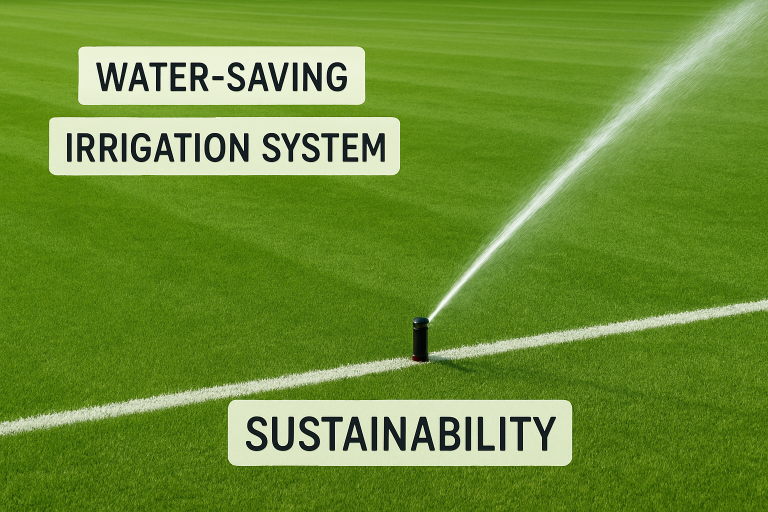
Embracing a diverse mix of grass species tailored to regional climates, routine aeration to encourage healthy root development, composting to enrich soil health, and modern irrigation technology to optimize water application further enhance the sustainability profile of natural grass fields. Collectively, these management strategies not only extend the life and safety of natural turf but also foster healthier ecosystems around sports facilities, supporting pollinators, birds, and beneficial insects that contribute to local biodiversity.
Case Studies
Real-world case studies provide compelling proof of the effectiveness and versatility of sustainable turf solutions. For example, the USA Field Hockey field at UNC Charlotte was constructed using AstroTurf’s Poligras Paris GT Zero known as the world’s first carbon-neutral hockey turf, crafted from 80% bio-based materials. Adopting this innovative turf significantly lowered the facility’s total carbon emissions while still providing players with a first-class competitive experience.
Across North America and around the world, universities and stadiums that have adopted either hybrid or fully synthetic fields consistently report significant benefits, including fewer weather-related cancellations, substantial reductions in labor and water usage, and lower annual operating costs. These successes demonstrate that high performance and environmental sustainability are not mutually exclusive, but rather mutually reinforcing objectives for modern athletic venues.
Conclusion
The future of sports field construction will be shaped by sustainable solutions that strike a balance between the athlete experience, environmental responsibility, and long-term financial stewardship. By embracing the latest in synthetic, hybrid, and advanced natural turf management practices, athletic facilities are poised to excel in both performance and sustainability. This responsible approach ensures that the needs of today’s athletes are met while also protecting vital resources and preserving a healthy environment for future generations.