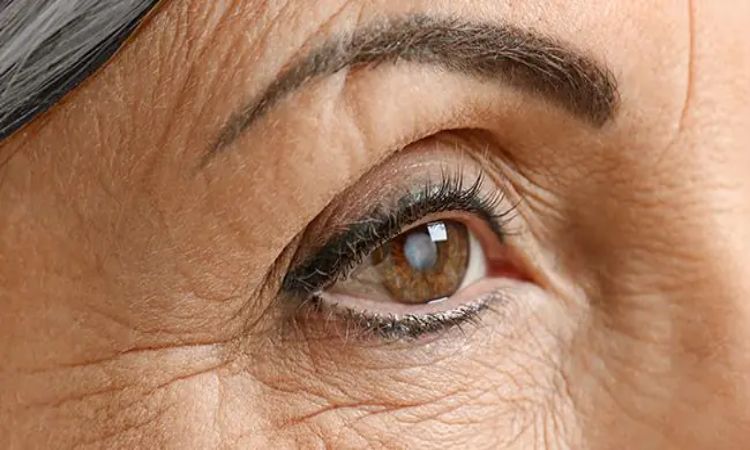
Do you know the old saying that our eyes are windows to the world? But at times, a critical condition can jeopardise our sight suddenly and severely. One of them is acute congestive glaucoma.
This is a medical condition that requires urgent attention to avoid permanent loss of vision. This condition strikes quickly and with noticeable symptoms. Therefore, understanding the early warning signs can make all the difference.
So, What Is Acute Congestive Glaucoma?
Think of your eye’s internal plumbing. It has a sensitive system that continuously produces and drains an aqueous humour fluid. This fluid helps stabilise the pressure inside your eye.
Now, imagine that the drain suddenly gets clogged. This is exactly what happens in acute congestive glaucoma.
The drainage angle within the eye closes up, and the internal pressure goes through the roof. Such high pressure can irreparably damage your optic nerve in a split second. This is the nerve that serves as the essential bridge between your eye and your brain.
Key Warning Signs You Must Not Ignore
Here are some warning signs you need to seek medical help:
- Severe Eye Pain: This is a severe, throbbing pain. It is often centred in one eye, which can feel like it’s deep inside your head.
- Blurred or Hazy Vision: Your sight might become foggy, as if you’re trying to see through a steamy mirror. This can happen quite rapidly.
- Seeing Halos Around Lights: A classic sign is observing rainbow-coloured rings or halos around light sources.
- Headache and Nausea: The high pressure in the eye tends to travel outwards and cause a bad headache on only half of your head. It’s a headache so severe it can make your stomach roll, causing nausea or vomiting. It’s simple to confuse this as a belly bug, but if it’s accompanied by eye pain, don’t ignore it.
- Red Eye: The eye usually becomes very red and inflamed because of the high pressure.
It may take only a short while for these symptoms to develop, sometimes in just a few hours. It’s important not to dismiss them as a simple migraine or a stomach bug, especially if they occur together.
Who Is at Risk?
While this eye emergency can happen to anyone, your risk factor does go up if a few things apply to you. You may be more at risk if:
- You are over 40 years of age.
- Have a family history of glaucoma.
- Are farsighted (you see distant objects better than near ones).
Regular eye tests are essential, particularly if you are in any of these high-risk groups. A comprehensive eye exam at a trusted centre like Dr Agarwal’s Eye Hospital can assess your risk for conditions like acute congestive glaucoma even before symptoms appear.
Why Immediate Action is Critical
Time is of the essence when it comes to an acute glaucoma attack. The longer the pressure in your eye remains high, the more irreversible damage is done to your optic nerve.
If you experience any symptoms, you should go to the nearest eye hospital or emergency room without delay. Prompt medical intervention can quickly lower eye pressure, relieve pain, and preserve your sight.