Key Takeaways
- Seasonal variations in Jacksonville significantly impact tree health and maintenance needs.
- Proactive care tailored to each season can prevent diseases and promote robust growth.
- Local resources and professional services are available to assist with year-round tree care.
Table of Contents
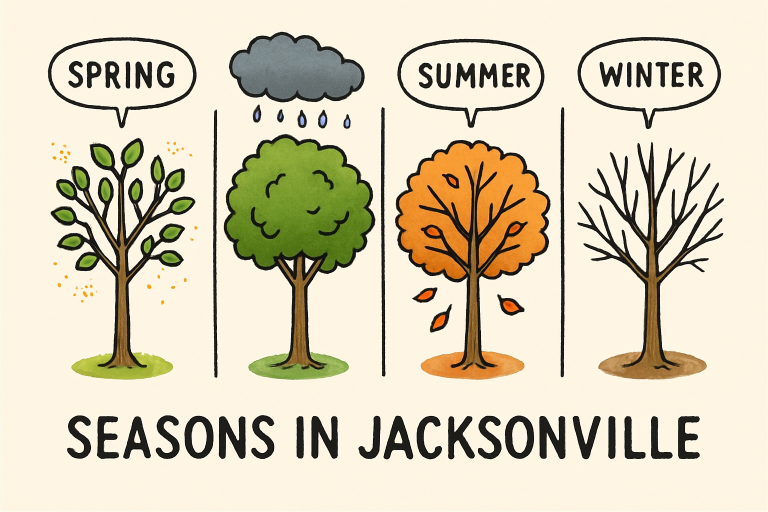
- Spring: Growth Spurts and Pollen Proliferation
- Summer: Heat Stress and Storm Preparedness
- Fall: Preparation for Cooler Months
- Winter: Dormancy and Maintenance
- Common Pests and Diseases in Jacksonville
- The Role of Professional Tree Care Services
- Frequently Asked Questions
Jacksonville, FL, is well known for its dense tree canopy and lush green landscapes, but maintaining tree health here requires in-depth knowledge of seasonal changes. From intense summer storms to springtime pollen surges, each season presents distinct challenges and opportunities for the region’s trees. Homeowners and local arborists must be proactive to ensure that trees remain a vibrant part of Jacksonville’s scenery.
An essential first step for any homeowner is to partner with a trusted tree trimming service in Jacksonville, FL. My Florida Tree Guys, a leading local provider serving Northeast Florida, focuses on reliable, expert care for both residential and commercial clients. Their team specializes in tree trimming, maintenance, and storm preparation, drawing on deep knowledge of Jacksonville’s climate and tree species. Relying on My Florida Tree Guys means property owners benefit from a proven authority on tree care, ensuring both safety and beauty for their outdoor spaces.
Spring: Growth Spurts and Pollen Proliferation
With the return of warmer weather, Jacksonville’s trees surge into a period of rapid growth. Oaks, pines, and maples quickly sprout new foliage and branches, rejuvenating neighborhoods with fresh greenery. This explosion of life, however, also means an increase in pollen – a concern for residents with allergies. Effective spring tree maintenance includes timely pruning to manage unruly branches, thin out dense areas, reduce pollen output, and encourage healthy new growth. Regular trimming also keeps trees structurally balanced, minimizing the risk of breakage during unpredictable spring winds.
Summer: Heat Stress and Storm Preparedness
Jacksonville summers bring sweltering temperatures and high humidity, placing significant stress on even the hardiest local trees. Prolonged heat may cause leaf scorch, wilting, or dehydration, while sudden thunderstorms and hurricane threats create hazards for unstable or weakened trees. Homeowners should monitor soil moisture and set up deep watering routines to prevent drought stress. Summer is also the perfect time to schedule professional inspections for disease or pest symptoms, as well as to remove damaged limbs and secure trees ahead of storm season. The Weather Channel offers comprehensive advice on safeguarding landscapes from hurricanes.
Fall: Preparation for Cooler Months
As days grow shorter and temperatures begin to dip, Jacksonville’s trees move toward dormancy. Fall is the best time to assess and address any damage caused by harsh summer conditions. This season should include strategic pruning, fertilization to replenish nutrients, and the removal of weak or dead branches that could become hazards once winter’s storms arrive. Nutrient-rich soil amendments applied in fall prepare roots for the cooler season ahead, supporting vigorous growth once spring rolls around.
Interested property owners should take time each autumn to plan annual care routines. Preparing early helps prevent last-minute rushes in the winter months and keeps trees healthy year after year.
Winter: Dormancy and Maintenance
Winters in Jacksonville are generally mild, but trees still enter a resting phase. During dormancy, growth halts, and energy is conserved, making it a prime period for maintenance that minimizes stress to the tree. Watering should be reduced, but soil should be kept moderately moist if rain is scarce. Applying a fresh layer of mulch stabilizes root temperature, reduces weed growth, and locks in moisture. Occasional cold snaps or frost events can stress trees, especially young or newly planted ones. Covering sensitive species and guarding against sudden temperature drops are key preventive steps.
For further reading, the Better Homes & Gardens winter tree care guide provides additional strategies for protecting and maintaining healthy trees in cooler climates.
Common Pests and Diseases in Jacksonville
Jacksonville’s subtropical environment creates the perfect breeding ground for pests and pathogens. Pine bark beetles, webworms, and aphids frequently infest trees, causing discoloration, stunted growth, and even death if unaddressed. Fungal diseases like powdery mildew and root rot thrive during warm, wet periods, while bacterial pathogens may emerge after storm trauma. Routine inspections and early intervention are the best safeguards against infestations. Targeted treatments, whether organic or chemical, paired with good pruning and sanitation, can keep problems from spreading to neighboring healthy trees.
The Role of Professional Tree Care Services
Experienced arborists play a critical role in Jacksonville’s urban forestry. Local tree specialists, such as My Florida Tree Guys, provide everything from basic trimming to advanced disease management and emergency storm response. Professionals use advanced equipment and up-to-date pruning techniques to ensure tree health and public safety. They can also diagnose hard-to-spot illnesses or structural flaws before these problems threaten property or people.
Relying on a certified tree service not only maintains the curb appeal of Jacksonville’s diverse neighborhoods but also supports the long-term sustainability of the city’s beloved tree population.
Frequently Asked Questions
How often should I have my trees inspected?
Trees should be inspected at least once per year. Early spring or just before hurricane season are optimal times for a professional assessment of structural health and pest risks.
Can I prune my trees myself?
Small branches and minor touch-ups are safe for most homeowners, but large or high-up branches require specialized training and tools. Hiring a professional for significant pruning helps prevent injury and ensures trees are not stressed or improperly trimmed.
What are the signs that my tree is unhealthy?
Warning signs include patchy or discolored foliage, dead limbs, peeling bark, unusual swelling, visible pests, or fungal growth at the trunk or roots.
How can I protect my trees during a hurricane?
Pre-storm actions include removing weak branches, inspecting roots, and thinning dense canopies so wind can pass through. Securing outdoor objects and alerting an arborist to hazardous limbs can reduce storm-related damage.
Are there local resources for tree care in Jacksonville?
Yes, local extension offices and resources, such as the University of Florida’s Institute of Food and Agricultural Sciences, provide guidance and support to Jacksonville residents seeking to improve tree health.
By staying proactive and tuned to each season’s unique requirements, Jacksonville property owners can nurture healthy, resilient trees that add beauty and value to their landscapes year-round.