Key Takeaways
- Mental health stigma remains a top reason individual avoid seeking help for depression.
- Geographical, financial, and systemic factors limit access to vital mental health services for many.
- Comorbidities, such as anxiety, present challenges that complicate recovery pathways.
- Internal resistance and low motivation often delay or prevent engagement in therapeutic interventions.
- Targeted strategies, including telehealth, psychoeducation, and community integration, are essential to overcoming these barriers.
Depression remains a widespread and challenging mental health condition, impacting millions of people regardless of age, background, or location. While there are effective therapies and medications available, many individuals find the path to recovery fraught with obstacles. Understanding these barriers is crucial to ensuring those affected receive the support and care they deserve. For individuals in specific locations, finding the right depression doctor Miami can be the first key step toward healing and hope.
Acknowledging the hurdles is the first step in addressing them. Whether issues stem from societal stigma, logistical difficulties like transportation or costs, or personal struggles with motivation, overcoming these hurdles requires a comprehensive and empathetic approach. Each barrier represents a unique layer of complexity, underscoring the importance of tailored support and innovative solutions that can make professional help accessible and effective for all.
Stigma: A Major Obstacle
Stigma related to mental illness is deeply entrenched in many cultures and communities. When conversations around depression are shrouded in shame or misunderstandings, individuals may feel isolated, unsupported, or even fearful of social repercussions. These attitudes can discourage people from seeking the treatment they need, leading to longer-term suffering and greater health risks. According to research from the University of Georgia, depression-related stigma is especially influential among Black Americans, reducing the likelihood of reaching out for help and delaying recovery.
Stigma manifests in several ways: internalized shame, negative public perceptions, and even bias in healthcare settings. Reducing stigma begins with public education, inclusive dialogue, and the normalization of mental health discussions in families, schools, and workplaces.
Limited Access to Mental Health Services
Structural barriers can also prevent individuals from obtaining necessary mental health care. Many communities, especially those in rural or underserved urban areas, face shortages of mental health professionals. Financial barriers, such as high costs and inadequate insurance, further restrict access to therapy and medication. These disparities create an environment in which vulnerable populations are less likely to receive consistent, high-quality care. Telehealth initiatives and community-based clinics have emerged as important strategies, expanding the reach of therapists and making care more affordable through sliding fee scales and flexible hours.
Government policies also have a significant impact; better funding for mental health services and broader insurance coverage can help eliminate some of these access barriers and ensure more equitable treatment for all.
Comorbid Conditions Make Recovery More Complex
Mental health conditions often co-occur. Depression frequently co-occurs with disorders such as anxiety, substance use, or post-traumatic stress, making the recovery journey more difficult and nuanced. For example, recent studies have shown that comorbid anxiety predicts lower odds of significant improvement in depression, even when using accessible forms of therapy such as smartphone-delivered psychotherapy. This highlights the need for holistic and coordinated care models that address all aspects of mental wellness.
Healthcare providers should assess for multiple conditions and develop customized treatment plans that address the full spectrum of each patient’s mental health needs, rather than focusing solely on depression in isolation.
Personal Resistance and Lack of Motivation
Beyond practical and societal obstacles, an individual’s personal resistance or lack of motivation can slow or derail recovery. Depression itself often diminishes energy and inspiration, making daily tasks and seeking help feel insurmountable. Fear of vulnerability, skepticism toward therapy, and limited awareness about treatment benefits all play roles in this resistance. Building trust through a strong therapeutic alliance and providing education about the treatment process can help individuals overcome these internal hurdles. Sometimes, beginning with less intimidating support systems such as peer groups or online communities can pave the way for more formal interventions in the future.
Strategies for Overcoming Depression Recovery Barriers
Education and Awareness
Widespread psychoeducation can shift public perceptions and reduce stigma. Awareness campaigns, mental health seminars, and educational curricula that normalize conversations about psychological well-being play a critical role in fostering support and compassion.
Policy and System-Level Interventions
Expanding insurance coverage for mental health, increasing funding for community clinics, and mandating parity with physical health care are examples of impactful policy interventions. Such systemic changes can drastically improve access and affordability.
Community and Peer Support
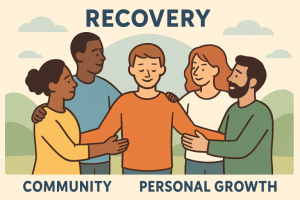
Creating spaces for people to connect with others who have shared experiences provides ongoing encouragement and reduces feelings of isolation. Community-based mental health groups and online forums strengthen social support networks, which have been proven to be facilitators of recovery.
Integrated and Telehealth Services
Integrating mental health support within primary care practices and embracing telehealth allows more individuals to receive timely and consistent care, regardless of location or schedule constraints. These shifts also help to destigmatize mental health services by making them more routine and accessible.
Conclusion
Barriers to depression recovery are complex, but not insurmountable. Addressing societal stigmas, improving access to care, considering the impact of comorbid conditions, and supporting individuals through motivational challenges requires a public health mindset and collective action. By leveraging education, systemic change, and robust community resources, we can build environments where everyone is empowered in their journey toward mental health and well-being.
In addition to understanding and addressing these barriers, it’s crucial to seek comprehensive support tailored to individual needs. Many individuals find it beneficial to explore all services available to them, which can include therapy, medication, and holistic approaches. By doing so, they can create a personalized recovery plan that addresses their unique challenges and fosters a supportive environment for healing. This holistic approach not only aids in managing symptoms but also empowers individuals to regain control over their lives, promoting long-term well-being and resilience in the face of depression.