Table of Contents
- Why Sustainable Junk Removal Matters
- Identifying What Can Be Recycled or Donated
- Safe Handling of Electronics and Hazardous Materials
- Steps to Organize an Eco-Friendly Cleanup
- The Role of Professional Junk Removal Services
- Current Trends and Innovations in Responsible Junk Removal
- How to Motivate Your Community for Responsible Disposal
- Final Thoughts
Why Sustainable Junk Removal Matters
As the world becomes more attuned to the environmental impact of our daily choices, how we dispose of unwanted items plays a big role in sustainability. According to the Environmental Protection Agency, each year, Americans generate nearly 292 million tons of municipal solid waste. When much of this junk ends up in landfills, it releases greenhouse gases and leaches chemicals into the earth, harming ecosystems and public health.
By making thoughtful decisions about disposal whether you’re clearing a home in Chicago or any other city you help reduce the strain on landfills and support resource conservation. Choosing responsible junk removal keeps usable materials in circulation and hazardous substances out of the environment.
Personal responsibility adds up: shifting even a portion of our waste toward recycling or donation instead of trash helps conserve raw materials, save energy, and lower pollution. Every household and business has a part in fostering a cleaner and healthier planet for future generations.
Identifying What Can Be Recycled or Donated
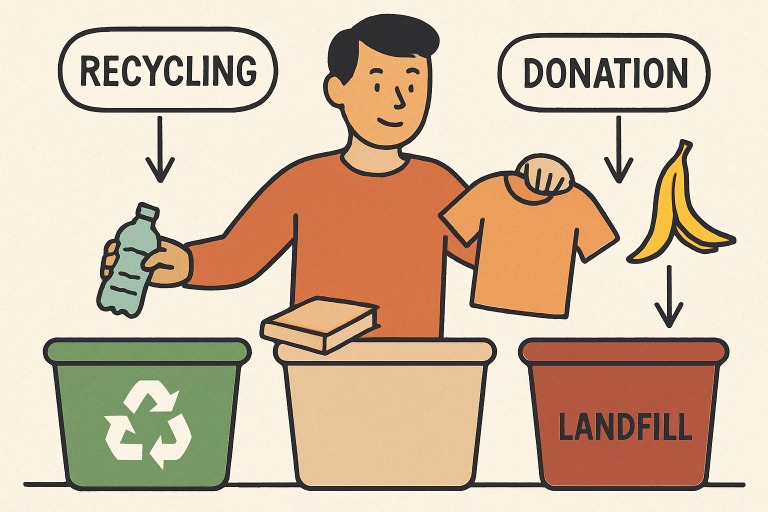
Many household items don’t belong in the garbage. Common recyclables include paper, cardboard, plastics (check local guidelines), glass, and aluminum cans. Furniture, lightly used clothing, working appliances, and books often have a second life when donated to charities or shelters. Before disposing of anything, sort your belongings into categories: recycle, donate, or true waste. This simple organization streamlines the process and maximizes eco-friendly outcomes.
Donating diverts items from landfills and benefits local communities by providing needed resources to families in transition or hardship. The EPA’s recycling resource hub is a valuable guide for a comprehensive list of recyclables and donation options. Many cities also offer specialized collection days or drop-off locations for bulky and reusable goods.
Safe Handling of Electronics and Hazardous Materials
Electronics such as computers, TVs, smartphones, and batteries are known as e-waste. They contain potentially hazardous materials (like lead, mercury, and cadmium) that can pose serious health and environmental risks if tossed with regular trash. Household cleaners, paints, automotive fluids, and pesticides also demand careful disposal due to their toxicity.
Locate certified e-waste recycling centers and hazardous waste drop-off events to reduce dangers. The EPA offers detailed guidelines for safe electronics disposal, including wiping data from devices and finding local solutions. Never pour chemicals down the drain or into the soil; check with your municipality for sanctioned collection days.
Steps to Organize an Eco-Friendly Cleanup
Start by creating a cleanup plan: assess which rooms or spaces need decluttering, gather boxes for sorting, and set aside time on the calendar. Invite neighbors or form a small group for a collaborative event this not only makes the process more efficient but also builds community spirit. Assign roles: Some people sort recyclables, others tackle donation pickups, and someone drops hazardous items at approved facilities.
On disposal day, ensure all materials are separated and packaged for their next destination. Provide gloves, bins, and clear instructions to keep the operation smooth and safe. For tips and proven strategies on organizing successful community cleanups,
The Role of Professional Junk Removal Services
Professional junk removal companies can be invaluable partners in eco-friendly disposal. Many services are committed to diverting most collected materials from landfills by recycling, donating, or repurposing items. When evaluating companies, look for environmental certifications, detailed waste diversion policies, and transparent practices. Ask how items are sorted, where they end up, and what efforts are made to minimize landfill contribution before hiring a service.
Researching options ensures your cleanup aligns with your sustainability values. For added peace of mind, look for written commitments or third-party green certifications on company websites.
Current Trends and Innovations in Responsible Junk Removal
Emerging technologies are shaping the future of waste management. Innovations like smart sorting facilities, biodegradable materials, and advanced recycling methods help reduce contamination and make recycling more efficient. Some cities are piloting “zero waste” initiatives and incentivizing residents to minimize disposable items. For instance, a rise in compostable electronics and material recovery facilities is helping address the complex e-waste problem.
Successful community programs, highlighted in this Washington Post report, show increased public interest in recycling and waste reduction nationwide. As awareness and technology advance, the challenges of junk disposal are met with creative, scalable solutions.
How to Motivate Your Community for Responsible Disposal
Community involvement amplifies eco-friendly outcomes. Encourage neighbors and friends by sharing information about local recycling programs and donation opportunities. Distribute flyers, post online, or use neighborhood apps to spread awareness. Hosting workshops or inviting experts to speak can empower residents with practical disposal know-how.
Municipal websites often have detailed event calendars and links to approved drop-off sites. Your local city services or libraries are excellent places to begin your search for more information, ensuring everyone has easy access to responsible junk removal resources.
Final Thoughts
Sustainable junk removal is more than a responsible choice it’s a meaningful way to protect the environment, support local communities, and create healthier living spaces. By thoughtfully sorting items for recycling, donation, or proper hazardous disposal, individuals and neighborhoods can significantly reduce landfill waste and the harmful effects of toxins on ecosystems. Partnering with professional services, staying informed about innovations, and actively engaging your community ensure that eco-friendly disposal becomes the norm rather than the exception. Every small action adds up, demonstrating that responsible junk management is practical and essential for a cleaner, safer, and more sustainable future.