Key Takeaways
- Open-concept layouts maximize natural light and create a sense of spaciousness.
- Multi-functional furnishings add versatility without sacrificing style.
- Neutral tones create a soothing, harmonious home atmosphere.
- Decluttering and efficient storage are essential for achieving successful minimalism.
- Natural elements introduce warmth, texture, and biophilic beauty to interiors.
Urban homeowners continually seek innovative solutions to transform compact city apartments and houses into livable, streamlined retreats. Modern minimalist design is the key to unlocking functionality and serenity in small spaces, allowing you to achieve more with less. Integrating a home renovation strategy focused on minimalism will help you tailor spaces that feel expansive, cohesive, and inviting in even the tightest urban environments. Prioritizing open layouts, multi-functional furniture, and neutral color palettes fosters a sense of calm, while removing unnecessary visual clutter enables breathing room for both design and daily living. Mastering minimalist renovation means thinking creatively about organization, lighting, and connecting indoor and outdoor realms to achieve a true urban sanctuary.
Open-Concept Living
One of the most transformative minimalist upgrades for urban homes is eliminating unnecessary walls to create open-concept living spaces. Removing physical barriers between the kitchen, dining, and living rooms helps light travel unobstructed, making even the smallest homes feel more expansive and welcoming. For instance, a Chicago family recently renovated their apartment with an open layout that seamlessly blends living zones while highlighting modern finishes and furnishings. This approach not only modernizes the space but also enhances social interactions and flexibility.
Multi-Functional Furniture
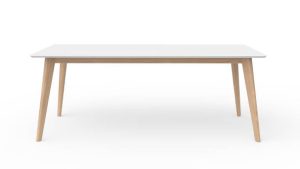
In dense urban settings, making furniture do double duty is a minimalist must. Opt for sofa beds, extendable tables, and wall-mounted desks to capitalize on every square foot without overcrowding your rooms. Hidden storage ottomans, nesting tables, and clever modular pieces ensure that style and function work in harmony—especially vital in smaller apartments. Carefully chosen multi-functional furniture supports a clutter-free, adaptable environment suited to modern city life.
Neutral Color Palettes
Minimalist homes thrive on subtlety. Grounding your rooms in a palette of whites, grays, beige, and muted hues establishes a calm backdrop where architectural lines and curated décor can shine. The effect is both timeless and contemporary, encouraging relaxation in fast-paced urban surroundings. A mid-century ranch house in Auburn serves as a prime example: by using soft, earthy tones, designers highlighted clean forms and minimalist intent throughout the home.
Decluttering and Organization
A successful minimalist renovation begins with a thoughtful edit of your belongings. Sorting through what you own and retaining only essentials or items that provide genuine joy not only streamlines each room it also makes maintenance far simpler. Invest in discreet storage solutions, such as built-in cabinetry, under-bed drawers, or floating shelves, to consolidate items without introducing visual clutter. Keeping everyday essentials out of sight creates unbroken lines and uninterrupted views, helping your home feel peaceful and organized.
Integrating Natural Elements
Minimalism doesn’t mean sterile blending in natural materials is key to ensuring your home feels lively yet grounded. Elements like wood, stone, and lush, easy-care houseplants evoke calm, introduce texture, and break up the clean lines of sleek modernity. This is especially impactful in city settings, where outdoor green space may be scarce. A recent San Francisco renovation exemplified this by maximizing daylight and utilizing organic finishes, resulting in a seamless transition between indoor and outdoor living spaces.
Statement Lighting Fixtures
Thoughtful lighting transforms the ambiance of any minimalist home. Statement fixtures, such as sculptural pendant lamps or bold geometric chandeliers, draw the eye and provide a focal point ensuring personality without filling space with clutter. Proper lighting design further accentuates minimalist lines and supports comfortable living, making each room not just beautiful but practical for everyday use. When selecting pieces, opt for streamlined silhouettes and dimmable options for versatile, energy-efficient illumination.
Minimalist Kitchens and Bathrooms
Kitchens and bathrooms can quickly become overwhelmed by unnecessary details and accessories. Embrace integrated appliances, streamlined cabinetry with cut-out handles, and neutral, easy-to-clean surfaces to achieve a look that is both modern and maintainable. A notable recent renovation in Chicago demonstrated these principles by using subtle green matte finishes, minimalist hardware, and integrated storage, resulting in a bright, efficient kitchen that stands the test of time.
Outdoor Living Spaces
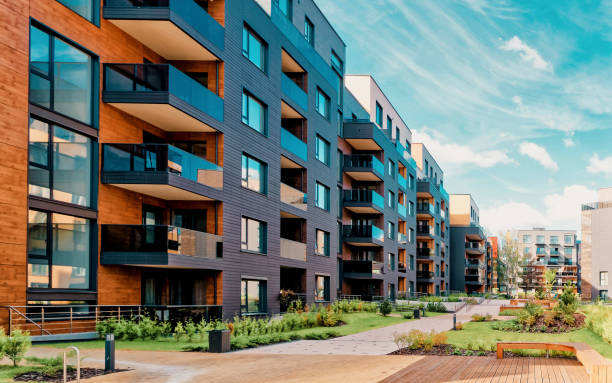
Even the smallest balcony or rooftop patio can benefit from a minimalist design. Opt for low-profile, weather-resistant furniture and incorporate planters, privacy screens, and soft lighting to extend your interior aesthetic outdoors. Clean landscaping and functional layouts can turn overlooked urban exteriors into tranquil retreats, providing precious breathing room from city bustle and creating a holistic sense of home.
By weaving together these modern minimalist renovation ideas, urban dwellers can transform their homes into functional, aesthetically pleasing spaces that maximize comfort, style, and the full potential of urban living.