Table of Contents
- Introduction
- Sustainable Materials
- Solar Integration
- Metal Roofing
- Cool Roofs
- Architectural Shingles
- Smart Roofing Technology
- Green Roofs
- Synthetic Roofing Materials
Staying current with the latest roofing trends is crucial for homeowners interested in improving their property’s value, lowering energy bills, and elevating curb appeal. New materials and technologies in the roofing industry are pushing the boundaries of what is possible, and homeowners now have more choices than ever before. To expertly navigate these trends and explore innovative, reliable roofing solutions, connect with trusted professionals at https://engroofers.com/ for expert advice and services tailored to your needs. Choosing the best roofing option involves looking beyond style, considering durability, sustainability, and technological integration. By keeping up with what’s trending, you can ensure that your home’s roof is as functional and efficient as it is beautiful. The following guide explores the top trends and innovations transforming modern roofing.
Sustainable Materials
The demand for environmentally friendly home improvements has fueled the rise of sustainable roofing materials. Homeowners are increasingly embracing options like recycled shingles, clay, slate, and green roofs. These eco-friendly choices not only lessen environmental impact but also provide remarkable longevity and natural beauty. Green roofs, which incorporate plant life over waterproof membranes, act as natural insulators while promoting better urban air quality. Sustainable roofs also frequently offer improved performance during severe weather events, leading to longer-term savings.
Solar Integration
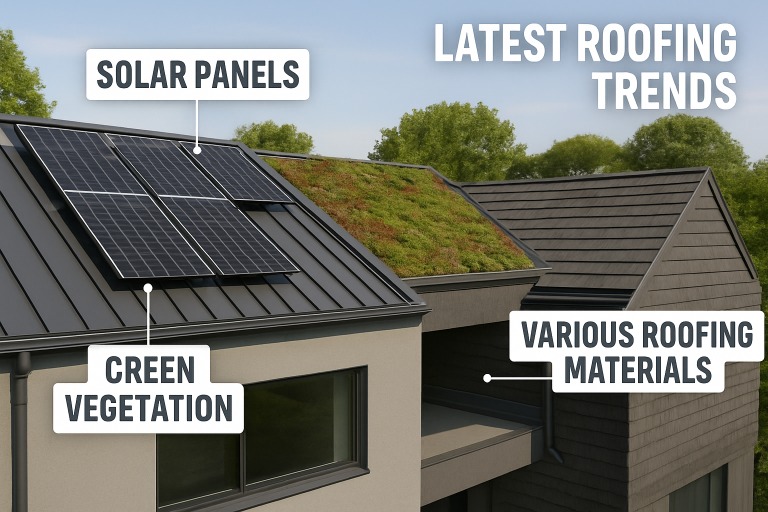
Innovative solar integration is redefining residential roofing. The latest advances offer solar shingles and building-integrated solar tiles that blend in with traditional roofs, removing the clunky look of older solar panels. Industry leaders like Tesla and GAF Energy are pioneering sleek products that generate renewable energy and retain visual harmony with surrounding architecture. Homeowners can now reduce their carbon footprint, benefit from lower utility costs, and potentially increase property value without sacrificing curb appeal.
Metal Roofing
Metal roofing has become a standout pick for residential properties, appreciated for its unparalleled durability, energy savings, and versatile design options. Modern metal roofs can convincingly mimic the appearance of cedar shakes, slate, or shingles while providing decades of low-maintenance protection. Lightweight and fire-resistant, metal roofing is well-suited for homes facing intense wind or snow conditions. Its reflective qualities also make it an excellent choice for improving household energy efficiency, helping keep homes cooler in summer and warmer in winter. Metal roofing solutions are increasingly recognized for both their resilience and modern flexibility.
Cool Roofs
Cool roofing systems prioritize energy efficiency by reflecting more sunlight and absorbing less heat than conventional roofing materials. Featuring light-colored surfaces, specialized reflective coatings, and materials like tile or metal, cool roofs can significantly decrease indoor temperatures and cut down on air conditioning expenses. These benefits are particularly pronounced in sun-drenched climates. Enhanced comfort and lower energy bills make cool roofs an attractive update for homeowners seeking both eco-friendliness and financial savings. For more information, the U.S. Department of Energy provides resources on cool roofs and their benefits.
Architectural Shingles
Architectural shingles, often called dimensional or laminate shingles, bring high-end aesthetics and robust performance to roofing renovations. Their multi-layered construction not only adds visual depth—emulating the appearance of wood shakes or slate—but also delivers outstanding wind and impact resistance. Architectural shingles are a popular choice for those seeking an economical way to boost curb appeal and longevity, commonly coming with extensive manufacturer warranties.
Smart Roofing Technology
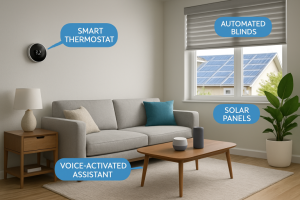
The integration of smart home technology into roofing is a game-changer. Today’s advanced roofs provide built-in pathways for wiring, making it easier to mount Wi-Fi antennas, security cameras, and weather sensors without compromising material integrity. Some systems incorporate automated vents and attic fans, which self-adjust according to temperature or humidity to maintain ideal indoor conditions while conserving energy. This connectivity not only protects the home but can also help homeowners monitor roof health in real-time, sparing them from surprise maintenance issues.
Green Roofs
Green roofs are taking root in urban landscapes around the world. By layering soil and vegetation atop waterproof membranes, these living systems create vital green space in areas where yards are limited. Green roofs filter pollutants, capture stormwater runoff, and insulate buildings, often reducing heating and cooling costs. They also contribute to local biodiversity, providing habitats for pollinators and birds. As cities strive to combat the urban heat island effect and improve sustainability, green roofs present a visually pleasing and practical solution.
Synthetic Roofing Materials
Synthetic or composite roofing solutions have risen in popularity for their ability to authentically replicate natural textures—like slate or wood shakes—while delivering superior resistance to harsh weather, fire, and impact. Made from recycled rubber, plastics, or polymers, these roofing materials are lighter, easier to install, and often more affordable and eco-friendly. With minimal maintenance and long lifespans, synthetic materials are a smart investment for homeowners looking to balance aesthetic goals with enduring performance.
Modern roofing innovations open the door to smarter, more sustainable, and ultimately more beautiful homes. Leveraging the newest materials and technologies can enhance curb appeal, improve comfort, and help protect the environment for future generations.