Table of Contents
- Why Hidden Water Damage Matters
- Common Places Water Damage Lurks
- Top Signs of Hidden Water Damage
- What Causes Hidden Water Damage?
- Steps to Take If You Suspect Damage
- Prevention Tips for Homeowners
- Why A Professional Assessment Can Save You Money
- Stay Ahead of Water Damage
Why Hidden Water Damage Matters
Water is vital for daily life and a healthy home, but the consequences can be severe when it finds its way into hidden spaces. Every year, families face unexpected repair bills due to leaks or seepage that went undetected for months. Restoring water damage quickly is crucial because hidden moisture can undermine your home’s structure, lead to health problems, and devalue your property.
According to the Insurance Information Institute, water damage is among the leading causes of homeowners’ insurance claims and can easily turn a small repair into a major project. Because these problems often remain concealed until they escalate, understanding the warning signs and responding swiftly reduces repair costs and household disruption.
Common Places Water Damage Lurks
Most water damage doesn’t announce itself with dramatic floods; instead, it quietly gathers in hard-to-spot places. Basements and crawlspaces are especially vulnerable because of their proximity to soil moisture, while kitchens, bathrooms, and laundry rooms pose risks due to frequent use of water and aging plumbing. Attics, too, are susceptible to leaks from the roof that can remain unseen until ceiling stains appear. Don’t overlook spaces beneath sinks, behind appliances, along window frames, and around vents all spots where hidden leaks may begin.
Walls and ceilings are common hiding places for slow plumbing leaks, often leading to covered damages that aren’t apparent until significant issues develop. In such cases, prompt mold remediation services can prevent health hazards and structural damage by addressing moisture problems before mold spreads. Searching for a trusted drywall specialist near me can also help address repairs quickly when water damage compromises walls or ceilings. It’s essential to routinely check these high-risk areas, particularly after storms or plumbing repairs, to catch potential problems early.
Top Signs of Hidden Water Damage
- Mysterious Musty Odors: Persistent earthy or damp smells, especially in closed spaces, may indicate mold or mildew growth behind walls or under flooring.
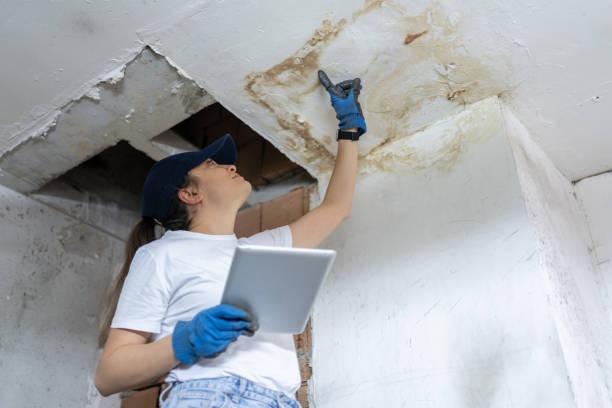
- Discoloration or Stains: Brown, yellow, or black stains across ceilings, walls, or floors are telltale signs that moisture is accumulating where it shouldn’t.
- Peeling Paint or Wallpaper: Bubbling or peeling paint or wallpaper signals trapped moisture as it escapes through the surface layers.
- Warped Flooring or Walls: Warping wood, sagging floors, or bulging drywall suggest ongoing water buildup beneath the surface.
- Visible Mold Growth: Any sign of mold, particularly in corners, behind furniture, or near appliances, indicates that water is hiding nearby.
Ignoring these symptoms allows water to infiltrate your home further, increasing risks for structural decay and serious health impacts. According to the U.S. Environmental Protection Agency, ongoing exposure to indoor mold can aggravate respiratory issues and trigger allergies, particularly in children and elderly residents.
What Causes Hidden Water Damage?
Hidden water intrusion has a multitude of sources. The most frequent offenders include:
- Slow Plumbing Leaks: Even minor drips in walls or under floors can eventually lead to extensive damage and mold growth.
- Poorly Sealed Windows and Doors: Gaps and worn seals enable rainwater to enter wall cavities, resulting in damp drywall and rot.
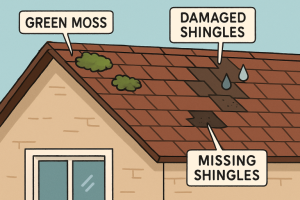
- Old or Damaged Roofing: Missing or broken shingles, cracked flashing, and failing underlayment allow moisture to penetrate attic spaces and ceilings.
- Clogged Gutters: Overflow from blocked gutters can force water under the roofline or into the foundation, leading to hidden pooling and infiltration.
- Faulty Appliances: Appliances like washers, dishwashers, and water heaters can leak gradually or abruptly, causing significant damage before the source is found.
Unexpected issues such as burst pipes during freezing weather or overflow from blocked drains can also accumulate hidden water. Homeowners should remain attentive year-round to these risks, especially if weather patterns in their region change or if their property is older.
Steps to Take If You Suspect Damage
If you suspect hidden water damage in your home, a prompt and structured response can save you significant expense and stress:
- Examine all areas where you detect odors, stains, or texture changes, looking closely for visible mold or moisture.
- If a plumbing leak is confirmed or suspected, shut off the water supply to limit ongoing damage.
- Remove personal belongings and furniture from the affected area to protect against further loss.
- Document all visible damage with clear photos for future insurance or contractor reference.
- Use a moisture meter, if available, or call in a professional who specializes in water detection.
- Repair or address the water source before starting any cosmetic fixes or renovation.
Detecting damage early and acting decisively protects your investment and can prevent dangers associated with prolonged moisture exposure, such as mold and foundation cracks. Familiarizing yourself with common symptoms and sources gives you the best chance to catch issues before they become overwhelming.
Prevention Tips for Homeowners
A proactive approach saves time, money, and hassle. Consider these prevention tips:
- Inspect under sinks and behind washing machines regularly for slow leaks or puddling.
- Clean gutters and downspouts twice yearly, directing water away from your home’s foundation.
- Check seals and weatherstripping on doors and windows, replacing as needed to block moisture entry.
- After major storms, examine your roof for missing shingles, damaged flashing, or debris buildup.
- Use exhaust fans in kitchens and bathrooms, and consider a dehumidifier in humid climates.
Routine maintenance helps safeguard your home against unseen leaks and buildup, ensuring small issues don’t spiral into costly repairs or health hazards.
Why A Professional Assessment Can Save You Money
While diligent homeowners can prevent many issues, some water damage is only detectable with advanced equipment. Professional inspectors use thermal cameras, fiber optic scopes, and moisture meters to uncover leaks and hidden water damage invisible to the naked eye. If your property is older or has endured severe storms, a professional assessment provides peace of mind and ensures you meet insurance requirements for documentation. Skilled intervention is often less expensive than managing a massive repair after damage spreads unchecked.
Stay Ahead of Water Damage
Hidden water damage can be one of the most disruptive and expensive threats to your home. By learning the common signs and locations, responding quickly to symptoms, and maintaining a regular inspection schedule, you’ll protect your property’s value and your family’s health. Take action immediately if you feel something is amiss—be it a musty odor, a warped baseboard, or an unexplained stain. Prevention, swift repairs, and, when needed, professional support are your best defenses against costly surprises.