A poker table that fits your room poorly will ruin your game before the first hand is dealt. Players bump elbows, chairs scrape walls, and reaching for chips becomes an awkward stretch across felt that seems miles wide. The measurements matter, and most buyers get them wrong because they focus on player capacity without accounting for the space each person actually needs or the room required around the table itself.
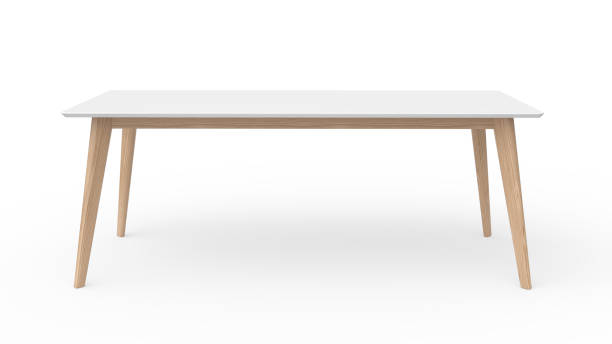
Standard casino poker tables measure 84 by 42 inches and sit at 30 inches tall. That height stays consistent across nearly every table on the market, even when length and width vary considerably. Manufacturers treat 30 inches as non-negotiable because it matches standard chair seating and keeps the playing surface at a comfortable reach for seated adults.
Oval Tables for Larger Groups
Oval poker tables remain the preferred choice for Texas Holdem and games with 8 to 10 players. These tables typically run 92 to 104 inches long and 44 inches wide. The BBO Ultimate Poker Table comes in at 92 by 44 by 30 inches, while the BBO Elite stretches slightly longer at 94 by 44 by 30 inches. RAM Game Room offers their Prohibition Series at 80 by 40 by 30 inches, weighing 225 pounds.
The most common configurations break down simply: an 8-person oval measures 84 by 42 inches, and a 10-person version extends to 94 by 45 inches. Allocate roughly 30 inches of table space per player as a baseline when calculating your needs.
Choosing a Table Based on Game Format
The number of players and the type of poker you prefer will determine the table shape that works best. Oval tables measuring 92 to 104 inches accommodate Texas Holdem games with up to 10 players, while round tables at 48 to 60 inches suit smaller gatherings of 4 to 6. If you regularly play poker with friends, host Omaha nights, or run mixed game rotations, an octagonal table at 48 to 59 inches provides equal spacing for 8 players without taking up as much room as a full oval.
Table width matters more than most buyers realize. Anything over 48 inches makes reaching the pot difficult, so 42 to 44 inches remains the practical range regardless of player count.
Round Tables for Casual Games
Round tables work well for smaller groups and casual play, with diameters ranging from 48 to 60 inches. RAM Game Room produces a 60-inch round poker dining table that sits 30 inches high and includes a padded vinyl playing surface, solid wood pedestal and legs, and 8 cup holders. Their 48-inch diameter option seats 4 to 6 players comfortably. The BBO Nighthawk takes a different approach with its 55-inch design that squeezes in up to 8 players.
Round shapes eliminate the head-of-table position entirely, which some players prefer for the way it distributes attention evenly during play.
Octagonal Tables
Octagonal tables split the difference between round and oval designs. They measure 48 to 59 inches across and maintain the standard 30-inch height while seating up to 8 players. A 48 by 48 by 30-inch octagon handles 6 to 8 players for various card games without dominating a room the way a full oval would.
Each player position on octagonal tables includes individual cup holders and 18 to 24 inches of personal space for chip stacks and cards. The eight equally sized sides create natural boundaries between seating positions.
Dealer-Style Tables
Kidney bean or dealer-style tables serve players who want a casino feel at home. The BBO Lumen HD measures 101.5 by 46 by 30.5 inches at the armrest and 28 inches at the playing surface. It weighs 160 pounds assembled and accommodates 11 positions: 10 players plus 1 dealer.
Room Clearance Requirements
The table itself represents only part of your space calculation. Allow at least 36 inches of clearance around the table for players to pull out chairs, move freely, and avoid hitting walls or furniture. Some sources recommend 3 to 4 feet for comfortable movement.
For octagonal tables, add 4 feet to your table diameter when measuring room requirements. A 54-inch table needs a minimum 12 by 12 foot room, though 14 by 14 feet allows more comfortable movement.
Playing Surface Materials
Traditional felt remains popular for its soft texture and familiar green appearance. The material wears and stains more easily than newer alternatives, but many players prefer its classic feel.
Speed cloth appeals to serious players. Made from polyester, it features a slick surface that sends cards gliding across the table. The material feels softer and more silky than velveteen. Speed cloth also resists water, giving you time to clean spills before they cause permanent damage.
BBO uses a gaming suede that combines plush texture with durability and liquid resistance. For custom graphics, manufacturers use dye sublimation printing that infuses ink directly into the material, producing detailed images on either gaming suede or speed cloth.
Table Features Worth Considering
Padded rails keep players comfortable during extended sessions and contain chips and cards within the playing area. Racetracks provide perimeter ledges for chips, drinks, and personal space boundaries.
The BBO Ultimate Poker Table gives each of its 10 seats 3 stainless steel cup holders. A steel support frame prevents warping and holds up to 200 pounds. BBO tables include integrated USB power with hidden cables.
The BBO Lumen HD features LED lighting trim with 16 changeable colors, a dimmable controller, and 5 light modes. Optional upgrades across various manufacturers include brass cup holders, built-in card shufflers from Shuffle Tech or Deckmate, and USB chargers. BBO also sells dual-purpose dining tops for quick conversion between meals and games.
Construction Materials
BBO Premium tables use solid oak legs and offer optional matching dining tops and chairs. RAM Game Room builds their Texas Holdem tables from rubberwood for long-term durability. BBO folding tables use legs rated to support up to 700 pounds while still allowing the table to collapse for storage.
Frame materials include wood options like oak, maple, and mahogany for traditional builds, plus metal frames for modern designs.
Price Ranges
Roll-up poker mats and foldable table toppers cost between $15 and $125. These portable options work for players without dedicated game rooms.
Folding or collapsible poker tables run $175 to $300 at the low end and climb into the thousands for better materials and features. Some folding tables start as low as $50.
Permanent tables begin around $750 and can exceed $5,000 based on brand and construction. Professional poker tables typically fall between $500 and $3,000 or more. Economy tables built for home use range from $1,000 to $2,500. Mid-range options run $3,000 to $5,000. High-end tables with extensive customization cost $2,000 to over $5,000.
At the extreme end, the Akke Functional Art Poker Table combines 15 rare wood types, while the Cavicchi Over The Moon Poker Table features polished brass and hand-stitched leather. Both exceed $50,000.
Making Your Decision
Start with your player count and work backward. A table that seats 10 means nothing if your room cannot accommodate the 36 to 48 inches of clearance needed around it. Measure your space first, subtract the clearance requirements, and let that dictate your maximum table dimensions.
Width deserves more attention than length in most cases. A table wider than 48 inches forces awkward reaches toward the center. The 42 to 44 inch range keeps gameplay comfortable while providing adequate playing surface.
Construction quality and surface material affect long-term satisfaction more than most buyers expect. Speed cloth or gaming suede outlasts traditional felt and cleans more easily. Solid wood frames and steel supports prevent the warping that ruins cheaper tables within a few years.