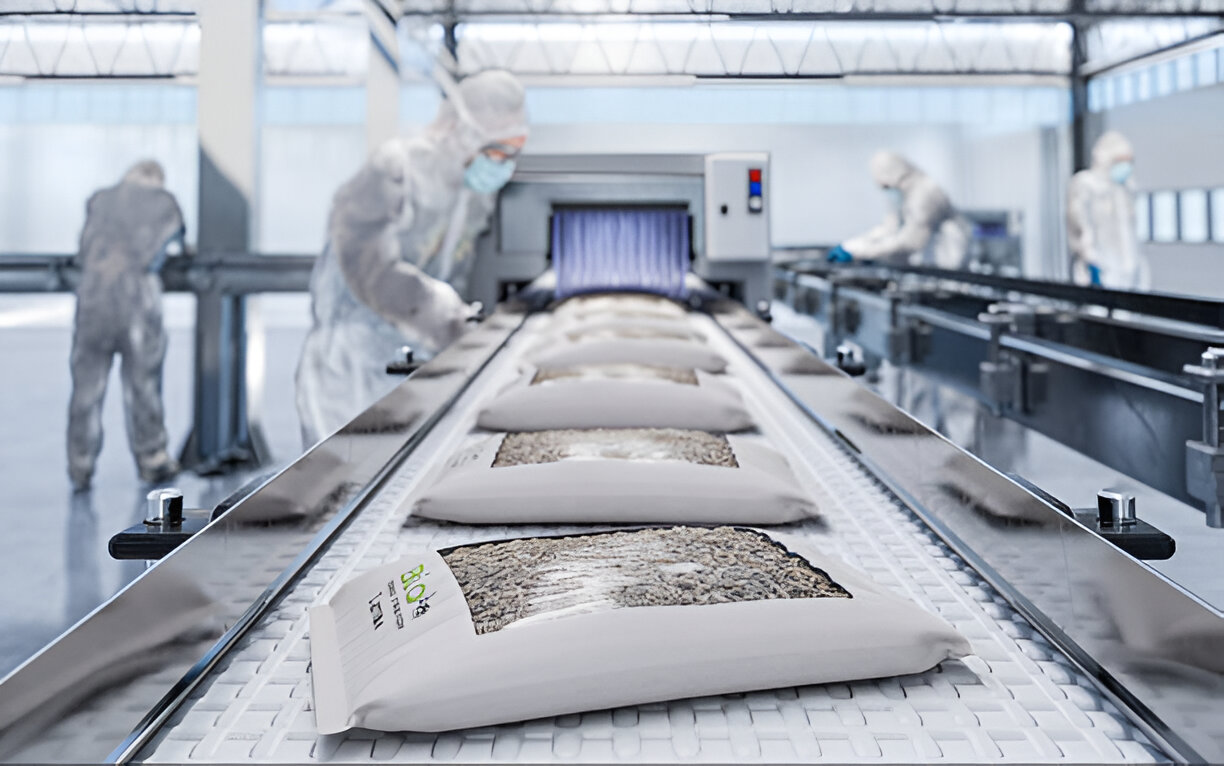
When you look at a bag of animal feed, what do you see? Most people see simple pellets or grains. But beyond the bag lies a complex world of science, regulation, and constant vigilance dedicated to a single goal: safety. This isn’t just about animal nutrition; it’s about protecting the health of livestock, the stability of a producer’s business, and the confidence consumers have in the food on their tables.
“Safe feed” is not a marketing slogan. It is the result of rigorous scientific principles, strict regulatory oversight, and a proactive commitment to quality at every step. This process ensures the well-being of producers by safeguarding animal health and reducing costly operational risks, while also assuring consumers that the food supply chain is secure. This article will delve into the scientific foundations, intricate regulatory frameworks, and emerging challenges that define safe animal feed, ensuring transparency and trust from farm to table.
The Foundation of Trust: Scientific Principles Behind Safe Feed
Creating safe animal feed begins long before the ingredients are mixed. It starts with a deep understanding of scientific principles and a commitment to best practices that transform raw materials into a safe, nutritious final product.
Understanding Nutritional Science: The first step is precise formulation. Animal nutritionists carefully balance essential nutrients like proteins, vitamins, and minerals to meet the specific needs of each species at different life stages. This scientific approach prevents harmful deficiencies or excesses that could compromise animal health.
Ingredient Sourcing & Quality Control: The quality of the final product is determined by the quality of its components. Rigorous selection of raw materials is the critical first step in the safety chain. This involves comprehensive supplier vetting, consistent quality verification, and screening for contaminants like mycotoxins or heavy metals. Every ingredient must meet strict specifications before it ever enters the production facility.
Processing & Manufacturing Best Practices: Once ingredients are approved, they undergo carefully controlled processing. Techniques like heat treatment, extrusion, and pelletizing not only improve digestibility and nutrient availability but are also crucial for eliminating potential pathogens like Salmonella.
Rigorous Testing & Quality Assurance: Throughout the manufacturing process, consistent testing ensures the feed meets all safety and nutritional targets. Both in-house and third-party laboratories analyze the product for composition, purity, and the absence of contaminants. Factors like particle size and ingredient quality are constantly monitored to ensure consistency and efficacy.
This commitment to safety isn’t just a regulatory hurdle; it’s a scientific discipline built on a foundation of meticulous sourcing, formulation, and quality control. For producers, this means prioritizing high-quality, reliable components proven to enhance both safety and nutritional value. By combining all-natural feed additives and ingredients with rigorous, multi-stage testing, manufacturers can build a safer and more effective product from the ground up.
The Role of Additives: Specific additives play a key role in this ecosystem. Functional ingredients like enzymes (e.g., Naturazyme®) can improve the digestibility of feed, enhance nutrient absorption, and reduce waste. This not only contributes to better animal health and cost-effectiveness but also supports a safer, more efficient feed system.
Navigating the Regulatory Landscape: Who Ensures Feed Safety?
A complex network of federal and state authorities works to ensure the safety of animal feed in the United States. Understanding their distinct roles is key to appreciating the layers of protection in place.
The FDA’s Role (Federal Oversight): At the federal level, the U.S. Food and Drug Administration (FDA) holds primary responsibility. The landmark Food Safety Modernization Act (FSMA) shifted the focus of feed safety from responding to contamination to preventing it. FSMA requires feed manufacturers to implement preventive controls and conduct thorough hazard analyses. The FDA’s Center for Veterinary Medicine (CVM) specifically oversees animal drugs, feed additives, and feed safety.
State Authorities & AAFCO’s Influence: While the FDA sets the federal standard, state-level agencies are on the front lines of enforcement. The Association of American Feed Control Officials (AAFCO) is a crucial non-regulatory organization that develops model laws, regulations, and standards for animal feed. These models are then adopted and enforced by individual states. This system allows for localized oversight and rapid response. As one expert source notes, “Today, state feed programs are the first line of defense protecting consumers from misleading or mislabeled pet food products by inspecting products and labels to ensure that any marketing claims on the label or packaging are accurate…”
Emerging Hazards: A Case Study with H5N1 Avian Influenza
The feed safety landscape is not static. Regulators and manufacturers must constantly monitor for and adapt to new threats. The recent emergence of Highly Pathogenic Avian Influenza (H5N1) in dairy cattle is a prime example of this dynamic process in action.
Identifying New Risks: The first step is recognizing a potential threat. When H5N1 was detected in species beyond birds, it triggered an immediate evaluation of the entire feed supply chain for potential cross-contamination risks.
FDA’s H5N1 Mandate: In response, the FDA acted swiftly to update its requirements. In a critical update, the agency mandated that animal food manufacturers must now account for this new risk. According to the U.S. Food and Drug Administration:
“The U.S. Food and Drug Administration has determined that it is necessary for manufacturers of cat and dog foods…to reanalyze their food safety plans to include Highly Pathogenic Avian Influenza virus (specifically H5N1) as a known or reasonably foreseeable hazard.”
Industry Response: This directive requires manufacturers to update their Hazard Analysis and Critical Control Points (HACCP) plans. They must now assess their raw material sourcing and processing methods to implement new or enhanced preventative controls that mitigate the risk of H5N1 transmission through feed.
The Future of Regulation: Debates on Transparency and Control
The system that governs feed safety is constantly evolving, and current legislative proposals could significantly reshape the regulatory landscape. These debates center on the balance between federal efficiency and state-level consumer protection.
The PURR Act of 2025: A Regulatory Shake-Up: The proposed Pet Food Uniformity, Regulation, and Reform (PURR) Act of 2025 seeks to create a more centralized, federal regulatory framework for pet food and animal feed, which could reduce the authority of state agencies.
Challenges in Labeling & Ingredient Transparency: These debates highlight the ongoing struggle to provide consumers and producers with clear, consistent, and accurate information. The lack of specific standards for terms like “organic” in pet food is a persistent issue. As one report notes, “The lack of specific standards for organic pet food has created inconsistency and uncertainty around labeling and composition requirements…” This ambiguity can confuse consumers and make it difficult to make truly informed choices.
Proposed legislative changes could fundamentally alter how feed is regulated, influencing everything from safety standards and labeling requirements to the pace of innovation for years to come.
The Ripple Effect: How Feed Safety Impacts Everyone
Animal Health & Performance: The most immediate impact is on the animals themselves. Safe, scientifically formulated feed leads directly to better animal health, improved growth rates, and stronger resistance to disease. Healthy livestock means more sustainable and humane farming practices, reducing the need for costly interventions.
Human Health & Food Safety (The Food Chain Connection): The connection between animal feed and human food is unbreakable. Contaminants or unsafe ingredients in feed can pass through the food chain, appearing as residues in meat, milk, and eggs. This principle is at the heart of the “One Health” concept, which recognizes that the health of animals, humans, and the environment is inextricably linked.
Market Trust & Economic Stability: A single feed-related contamination event, recall, or outbreak can have devastating consequences. It can erode consumer confidence overnight, leading to massive economic losses for producers and damaging the reputation of the entire industry. Robust safety practices are not just a cost of doing business; they are an investment in building and maintaining brand loyalty and market trust.
This is where partners like Natura Feed contribute to the broader goal. By providing all-natural, scientifically proven additives, they help producers create safer, more nutritious feed that benefits every link in the supply chain, from the farm to the family table.
Conclusion
Safe animal feed is far more than just a product in a bag. It is the output of a complex system that blends sophisticated science, diligent regulation, and a constant commitment to adapting to new challenges. This dedication is not optional—it is essential for protecting the entire food supply chain.
For producers, this commitment means healthier animals, greater efficiency, and a more resilient business. For consumers, it means a safer, more transparent, and more trustworthy food supply. As the industry continues to evolve, the collective responsibility of producers, regulators, and consumers to advocate for the highest standards of safety will only grow. By prioritizing vigilance, transparency, and innovation, we can ensure a healthier future for animals and people alike. Partners like Natura Feed remain dedicated to this mission, offering natural, scientifically backed solutions for a safer and more sustainable feed ecosystem.