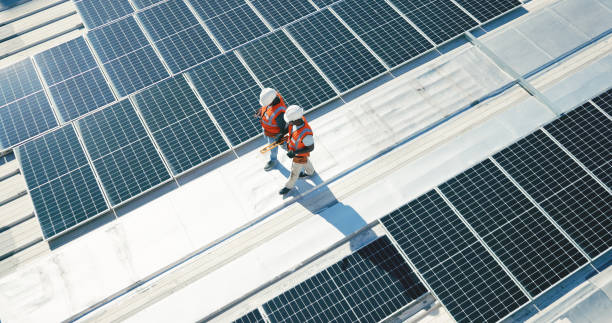
Getting solar panels in Melbourne doesn’t have to drain your savings account, but it does require some smart planning and knowing where to look for the best deals. With Victoria’s solar rebates and the federal government incentives still available, there’s never been a better time to make the switch. Affordable solar panel installation in Melbourne is totally achievable if you know how to navigate the market and avoid the common expensive mistakes that catch first-time buyers. Here’s how to get quality solar without breaking the bank.
Understanding Melbourne’s Solar Incentive Programs
The Victorian government’s Solar Homes Program can knock up to $1,400 off your installation costs, but you need to meet specific criteria. Your home needs to be valued under $3 million, and your household income must be less than $210,000 per year. The rebate applies to systems between 1.5kW and 13.2kW.
Here’s something most people don’t realize – you can combine this with federal Small-scale Technology Certificates (STCs). These certificates are basically a discount that gets applied at the point of sale, and they’re worth roughly $500-600 per kW of solar capacity in Melbourne’s current market.
Interest-free loans are also available through Solar Victoria for eligible households. This means you can get solar installed now and pay it off over four years without any interest charges. When you factor in your electricity bill savings, you might actually come out ahead from day one.
Timing Your Purchase for Maximum Savings
Solar prices in Melbourne follow some predictable patterns throughout the year. Installers typically have their slowest period during winter months, which means they’re more willing to negotiate on price. I’ve seen people save 10-15% just by being flexible with their installation timing.
End of financial year (June) and end of calendar year often bring special pricing as installers try to hit their targets. However, don’t wait too long – the STC rebate decreases slightly each year, so delaying might cost you more in lost incentives than you’d save in seasonal pricing.
Choosing the Right System Size for Your Budget
This is where a lot of people either spend too much or don’t spend enough. A 6.6kW system is currently the sweet spot for most Melbourne homes – it’s large enough to make a real difference in your bills but not so big that you’re paying for capacity you can’t use.
Look at your last 12 months of electricity bills to figure out your actual usage. If you’re using 15-20 kWh per day, a 5kW system might be perfect. Using 25-30 kWh daily? Consider the 6.6kW option.
Don’t get talked into a massive system just because the per-panel price looks better. You only get paid around 5-10 cents for electricity you export to the grid, but you save 25-35 cents for every unit you use directly from your panels.
Smart Component Choices That Save Money
You don’t need the most expensive panels to get good performance in Melbourne’s climate. Tier 1 panels from companies like Jinko, Trina, or Canadian Solar offer excellent value without the premium pricing of German or American brands.
String inverters are usually cheaper than micro-inverters or power optimizers, and they work fine for most Melbourne roofs. Unless you have significant shading issues or panels facing different directions, a quality string inverter from Fronius or Sungrow will do the job perfectly.
Finding Legitimate Discount Installers
Some installers offer lower prices because they operate with smaller margins, not because they cut corners. Look for companies that don’t spend heavily on advertising or have big showrooms – sometimes that overhead gets passed on to customers.
Get quotes from at least five different installers, including some of the smaller local operators. Make sure they’re all quoting comparable equipment and warranties. The cheapest quote isn’t always the best value if it comes with shorter warranties or lower-quality components.
DIY Elements That Can Reduce Costs
While you can’t legally install the electrical components yourself, you can prepare the site and handle some of the paperwork. Clearing roof access, moving outdoor furniture, and ensuring your electrical meter box is accessible can sometimes get you a small discount from installers.
Some people also choose to handle their own permit applications, though this only saves maybe $100-200 and requires understanding the local council requirements pretty well.