Key Takeaways
- Compliance intelligence dashboards centralize regulatory data, providing a single source of truth for faster, more accurate decision-making.
- Real-time data integration and customizable alerts allow organizations to monitor changes and respond proactively to new regulations.
- Automated audit trails and reporting reduce human error, simplify audits, and enhance transparency.
- Dashboards improve efficiency by minimizing manual tracking, freeing compliance teams to focus on strategic tasks.
- Choosing a scalable dashboard that integrates with existing systems and is user-friendly ensures maximum adoption and long-term value.
Introduction
Navigating the evolving landscape of regulatory compliance presents a formidable challenge for organizations across industries. As regulations proliferate and become increasingly sophisticated, businesses require innovative solutions to efficiently and transparently manage vast volumes of legal obligations. This is where compliance intelligence dashboards such as those offered by Radian Generation prove to be invaluable. These advanced platforms empower organizations to demystify complex regulatory data, staying compliant in a fast-paced environment.
Manual methods of regulatory tracking are fast becoming irrelevant in the face of exponential data growth. The right dashboard transforms a potential compliance nightmare into a strategic advantage, replacing cumbersome spreadsheets and static reports with dynamic, interactive visualizations that provide up-to-the-minute insights.
The Challenge of Regulatory Complexity
Across finance, energy, healthcare, and other regulated sectors, the volume and intricacy of compliance data are daunting. New laws, amendments, and guidance documents emerge constantly, each carrying specific requirements and deadlines. The cost of non-compliance is high not just financially, but in terms of organizational reputation and operational disruption. Traditional methods, which involve manual updates, emails, and siloed documents, are not only inefficient but also risky, as they expose organizations to missed changes and lapses in compliance. According to a recent Harvard Business Review article, companies are increasingly turning to technology to streamline compliance operations and mitigate risks.
The need for a system that can aggregate regulatory data and turn complexity into clarity is urgent. Organizations are seeking tools that enable compliance professionals, legal teams, and executives to monitor, analyze, and act on relevant data in real-time, thereby eliminating human error and strengthening their risk posture.
What Are Compliance Intelligence Dashboards?
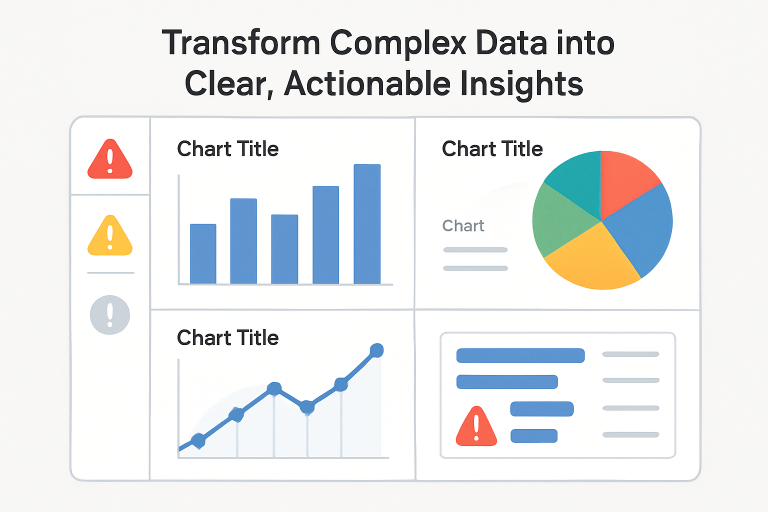
Compliance intelligence dashboards are interactive platforms built to aggregate, process, and visualize regulatory requirements from multiple jurisdictions and regulatory bodies. These dashboards utilize technologies such as artificial intelligence (AI), machine learning, and automated data collection to deliver real-time, actionable insights. By centralizing crucial compliance information, these tools not only ensure that organizations remain up-to-date with regulatory shifts but also allow them to demonstrate accountability and readiness to auditors and stakeholders.
In practice, dashboards serve as the nerve center for compliance activities, consolidating fragmented data into a single, coherent interface. From tracking legislation to monitoring internal compliance tasks, these platforms streamline compliance management, making the process both strategic and scalable.
Key Features of Effective Dashboards
- Real-Time Data Integration: Connects to regulatory data sources globally, ensuring the dashboard always reflects the latest mandates.
- Customizable Alerts: Sends timely notifications to stakeholders about new regulations, deadlines, or policy changes relevant to their roles.
- Risk Assessment Tools: Utilize algorithms and logic engines to evaluate how regulatory changes may impact business operations, enabling prioritized and strategic action.
- Audit Trails: Automatically documents every compliance-related activity, supporting efficient audit prep and transparent reporting.
Benefits of Implementing Compliance Dashboards
- Enhanced Efficiency: Automation frees up resources and reduces manual labor, letting compliance teams focus on value-added activities rather than administrative tasks.
- Improved Accuracy: Automated data integration and validation significantly reduce human error, resulting in more reliable reporting and fewer costly mistakes.
- Proactive Compliance Management: Dashboards enable organizations to anticipate risks and identify issues early, so problems can be addressed before they escalate.
- Cost Savings: Operational efficiencies, reduced risk exposure, and fewer fines translate into tangible financial benefits, strengthening the business case for dashboard adoption.
Choosing the Right Dashboard for Your Organization
Assess Your Needs and Capabilities
The best compliance intelligence dashboard is the one that aligns seamlessly with your organization’s size, sector, and regulatory environment. Key considerations include scalability ensuring that the dashboard supports your business as it expands—and customization, which allows you to tailor reports, alerts, and data sources to meet specific requirements.
Integration and User-Friendliness
The platform should integrate smoothly with existing systems such as document management and enterprise resource planning (ERP) software. A user-friendly interface is non-negotiable: teams should be able to interact with the platform intuitively, minimizing the learning curve and maximizing adoption.
Final Thoughts
Compliance intelligence dashboards have revolutionized the way organizations approach regulatory data, turning complexity into clarity and chaos into confidence. By automating data integration, streamlining risk management, and providing teams with real-time insights, these platforms enable organizations to stay one step ahead in an ever-evolving regulatory landscape. Adopting the right dashboard backed by thorough research and aligned with organizational goals positions businesses to thrive, regardless of how complex the rules become.