Key Takeaways
- Regular drain maintenance prevents clogs and ensures smooth water flow.
- Proper disposal of waste materials protects your plumbing system.
- Natural cleaning solutions are effective and eco-friendly.
- Professional inspections can identify and resolve potential issues early.
Maintaining your home’s drains isn’t just about avoiding inconvenient clogs—it’s about protecting your entire plumbing system. When neglected, blocked drains can quickly escalate into expensive repairs and potentially lead to water damage in your home. Finding a reliable clogged drain service Indianapolis can provide timely and professional help if you encounter persistent issues. However, with the right habits, you can prevent problems before they start.
Effective drain maintenance is about being proactive. By incorporating a few simple strategies into your regular cleaning routine, you can maintain a steady flow of water through your pipes throughout the year, reduce the risk of blockages, and prolong the lifespan of your plumbing system.
Use Drain Screens to Catch Debris
Simple Protection for Every Drain
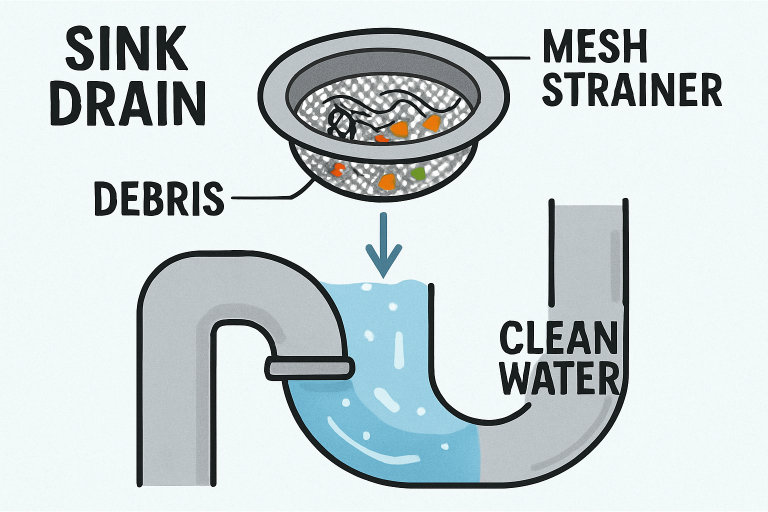
One of the most efficient ways to stop hair, food scraps, and other debris from clogging your pipes is by installing drain screens or strainers. These devices fit over the opening of your sink, bathtub, or shower drains and catch solids before they enter the plumbing. Choose strainers designed specifically for the type of drain you’re protecting fine mesh for kitchen sinks, larger screens for showers and tubs and remember to clean them out regularly.
This straightforward precaution can significantly reduce the frequency of minor blockages and can even help keep pests at bay by preventing organic material from accumulating in your pipes.
Dispose of Grease and Oil Properly
The Hidden Risks of Grease Buildup
Fats, oils, and greases (“FOG”) may seem harmless while hot and liquid, but as they cool, they solidify and coat pipe interiors, trapping food particles and creating stubborn clogs. To avoid this, never pour grease or oil down the drain. Instead, allow them to cool in a disposable container, then toss the solidified mass in the trash. For more guidance, resources like this guide from This Old House offer safe disposal methods for cooking oil. Wipe down greasy pots and pans with a paper towel before washing to minimize the amount going into your plumbing. By disposing of FOG responsibly, you reduce the risk of drain blockages and help protect municipal sewer systems as well.
Be Mindful of What Goes Down the Drain
Establish Good Habits for Everyone in the Home
One of the leading causes of plumbing problems is improper disposal of household waste. Only human waste and toilet paper should be flushed down the toilet. Avoid sending wipes (even those labeled “flushable”), feminine hygiene products, cotton swabs, dental floss, and paper towels down any drain, since none of these items break down readily in water and can create severe blockages. Educate family members and guests about what should and shouldn’t go down your drains to help maintain a healthy plumbing system for years to come.
Use Enzyme-Based Cleaners for Maintenance
Natural, Effective, and Safe
Unlike traditional chemical drain cleaners that can be harsh on both pipes and the environment, enzyme-based drain cleaners harness the power of beneficial bacteria to break down organic waste inside your plumbing. These cleaners are ideal for monthly maintenance; simply follow the manufacturer’s instructions for optimal results. They maintain the flow of your system, eliminate odors, and are safe for septic tanks and older piping.
Using enzyme cleaners regularly helps keep clogs and odors at bay without damaging your pipes.
Schedule Professional Inspections
Preventative Maintenance for Long-Term Health
Even with careful self-maintenance, underlying issues such as tree root intrusion, corrosion, or hidden buildup can remain undetected until a significant blockage occurs. That’s why scheduling annual or semi-annual inspections with a licensed plumber is recommended. Professionals utilize specialized tools, including cameras and hydro-jetting equipment, to diagnose and address issues before they escalate, ensuring your plumbing system operates smoothly and efficiently year-round. Consider these inspections as part of your home’s annual maintenance routine to safeguard your investment.
Maintain Outdoor Drains
Don’t Forget Drains Outside Your Home
It’s easy to overlook gutters, yard drains, and exterior sump pump lines, but these are just as susceptible to clogs from leaves, mulch, and debris. At least twice a year, especially in the fall and after heavy storms, clear away accumulated matter from all outdoor drains. Ensure that downspouts direct water away from your foundation, and inspect grates or covers for blockages that could redirect water toward your home.
Proper maintenance of outdoor drains helps prevent basement flooding, erosion, and water damage to your property’s structure.
By following these straightforward and effective drain care strategies, you can maintain a healthy and efficient home plumbing system. Regular attention not only reduces the likelihood of costly emergencies but also supports a cleaner, more comfortable living environment, season after season.