If you want to keep your swimming pool clean and clear, then a robot pool cleaner is a game changer. These units are available in corded and cordless varieties and take care of the job better than conventional pool vacs and manual cleaners. But how do you decide between a corded vs cordless robotic pool cleaner?
This article does a deep dive into both to help you decide which is the best pool vacuum robot for you.
Corded Robotic Pool Cleaners Pros
Powered through a wall Out pool cleaning robotic pool cleaner Are best known for their virtues of consistency of power and high suction. Since they are plugged in, there is zero chance that the battery will drain during a deep clean. It enables lazy long-duration cleaning cycles, so it is best suited for the largest debris-filled pools.
Many corded models, like some of the Maytronics pool cleaning robot series, have walls crawling pool cleaner features, scrubbing brushes, and programmed schedules. Where they shine is in how they perform at cleaning your pool, which includes algae, leaves, and sand, so if you have always thought- do pool robots pick up algae? “Definitely, especially in corded units that are above the typical draw.
The cord, though, can occasionally become tangled or restrict movement, which makes them a little less mobile than their cordless siblings.
Advantages of Cordless Pool Robot Cleaners
Cordless swimming pool robot cleaners plug in, rechargeable, installation and charging do not limit the working time. They are often lighter and more compact than their corded counterparts. And if your pool has awkward corners or outcrops, a cordless option could manoeuvre more easily, without the hassle of cable management.
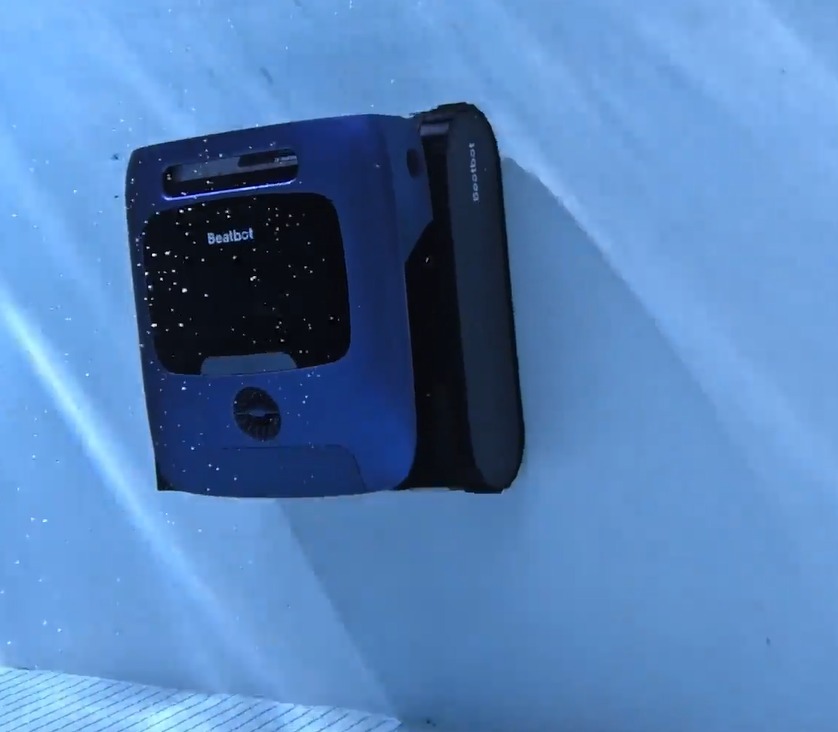
Cordless models are rapidly becoming higher quality, and Beatbot is leading the way with premium picks such as the Beatbot AquaSense 2 Ultra, Beatbot AquaSense 2 Pro, and Beatbot AquaSense 2. They incorporate smart navigation, powerful suction, and efficient operation to give even top corded options a run for their money.
The batter life may be a little limiting still — some cordless units may need recharging after 90-120 minutes, which may be problematic for very large pools.
Factors to Consider: Pool Type and Cleaning Needs
Hassle-Free Use If you have a small to midsize pool and you want a system that does not involve cords, cordless might be the way to go. But if you have a big pool or a pool that tends to accumulate a lot of heavy debris such as leaves, as well as algae, you may find the corded pool vacuum to be a more effective option.
And, in some cases, you may still need to know how to perform duties such as how to acid wash a pool or how to drain an inground pool without a pump—robotic cleaners may not be able to replace all types of maintenance just yet.
Pools with algae problems require a pool algae vacuum (whether corded or cordless) that has good scrubbing power and high filtration rates. Those with artificial intelligence and path optimization models, also overall better cleaning efficiency.
What are the Booster and Power Needs?
There is a further question of whether a booster pump is required. You might be wondering what a pool booster pump is and if you need one for your robot. Let’s be glad that most contemporary robotic cleaners, whether corded or cordless, are completely independent of your pool’s pump system and don’t need any supervising from it — in contrast to pressure-side cleaners. This use also makes them much less energy efficient and more difficult to install.
Conclusion
The right robot for you will depend on your type of pool, maintenance desires, and individualization options. Corded models offer a constant power source for those deep cleans, while cordless provides flexibility for quick and easy pick-ups. Both have their pros—and with advancements by top industry players such as Beatbot, which include the Beatbot AquaSense 2 Ultra, Beatbot AquaSense 2 Pro and Beatbot AquaSense 2, you are ensured great quality no matter what your decision.