Introduction
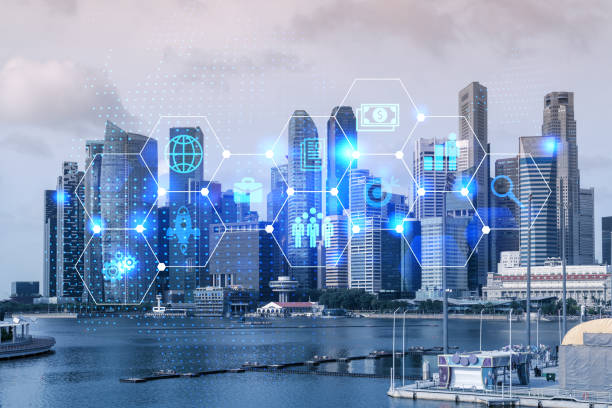
Singapore has positioned itself as a global leader in sustainability, leveraging technology to balance economic growth with environmental responsibility. As part of its Smart Nation initiative and commitment to achieving net-zero emissions by 2050, the country is driving innovation through artificial intelligence (AI) and the Internet of Things (IoT). These technologies are transforming the way organizations manage resources, monitor environmental impact, and optimize operations. At the forefront of this movement are corporate sustainability solution in Singapore, which are integrating AI and IoT into their solutions to create smarter, greener, and more efficient systems.
The Growing Need for Smart Sustainability in Singapore
With its dense population, limited land resources, and dependence on imports, Singapore faces unique sustainability challenges. Energy efficiency, water management, waste reduction, and urban mobility are critical focus areas. Traditional approaches alone are not sufficient to meet these complex demands. The integration of AI and IoT allows sustainability solution companies in Singapore to create intelligent systems that not only collect real-time data but also analyze it to provide actionable insights. This convergence of technologies is helping businesses and government agencies optimize resource use, reduce emissions, and achieve long-term environmental goals.
How AI and IoT are Transforming Sustainability
AI and IoT complement each other in sustainability strategies. IoT devices capture vast amounts of data from sensors and connected infrastructure, while AI analyzes that data to predict outcomes, identify patterns, and recommend improvements. Together, they empower sustainability solution companies in Singapore to design solutions that are data-driven and adaptive.
Some key applications include:
- Smart Energy Management: AI algorithms analyze energy consumption patterns, while IoT-enabled devices provide real-time monitoring. This allows companies and households to reduce energy waste and transition to renewable sources more effectively.
- Water Conservation: IoT sensors detect leaks and monitor water quality, while AI predicts water demand and optimizes distribution.
- Waste Reduction: AI-powered analytics identify waste generation patterns, and IoT-based smart bins track collection needs, optimizing recycling and reducing landfill usage.
- Sustainable Mobility: IoT systems in vehicles and infrastructure, combined with AI traffic management, help reduce congestion and emissions in Singapore’s urban environment.
- Green Buildings: AI and IoT integration enables dynamic control of lighting, heating, ventilation, and cooling systems to maximize energy efficiency in commercial and residential properties.
The Role of Sustainability Solution Companies in Singapore
Sustainability solution companies in Singapore are central to this technological transformation. They not only deploy advanced AI and IoT solutions but also customize them for different industries such as real estate, manufacturing, logistics, and healthcare. Their expertise helps organizations navigate regulatory frameworks, achieve ESG (Environmental, Social, Governance) compliance, and align with Singapore’s green initiatives. By integrating AI and IoT, these companies provide scalable solutions that are both environmentally sustainable and economically viable.
Benefits of AI and IoT Integration in Sustainability Solutions
The adoption of AI and IoT through sustainability solution companies in Singapore delivers multiple benefits:
- Efficiency Gains: Optimizing energy, water, and waste systems lowers operational costs.
- Data-Driven Insights: Businesses gain real-time visibility into their environmental impact.
- Predictive Maintenance: IoT sensors paired with AI reduce downtime by predicting equipment failures before they occur.
- Regulatory Compliance: Solutions help organizations meet Singapore’s stringent sustainability regulations and international ESG standards.
- Enhanced Transparency: Clear, data-backed sustainability metrics improve reporting and build trust with stakeholders.
Challenges in Integration
While the integration of AI and IoT offers tremendous potential, challenges remain. These include high implementation costs, cybersecurity risks, and the need for skilled talent to manage advanced technologies. Data privacy and interoperability between different IoT systems are also concerns. Sustainability solution companies in Singapore are addressing these challenges through partnerships, government support, and continuous innovation. Many are adopting cloud-based platforms, blockchain for secure data sharing, and collaborative ecosystems to ensure effective integration.
AI and IoT in Key Sectors of Singapore’s Sustainability Drive
- Energy Sector: AI-driven demand forecasting and IoT-enabled smart grids are reducing reliance on non-renewable sources.
- Water Management: With Singapore’s emphasis on water security, IoT sensors in pipelines and reservoirs combined with AI analytics are ensuring efficient water distribution and minimizing losses.
- Urban Planning: Smart city initiatives integrate AI and IoT to monitor air quality, manage traffic, and optimize public transport.
- Agriculture and Food Security: Vertical farming operations use IoT sensors to track soil and nutrient levels, while AI optimizes crop yields with minimal resource use.
- Healthcare: Smart hospitals utilize AI and IoT to monitor energy consumption, manage medical waste, and ensure safe environments for patients.
The Future of AI and IoT in Singapore’s Sustainability Landscape
The next wave of innovation will see AI and IoT converge with other technologies such as blockchain, robotics, and 5G. For instance, blockchain can enhance transparency in sustainability reporting, while 5G will enable faster IoT connectivity and real-time analytics. Sustainability solution companies in Singapore are expected to expand their services into predictive environmental modeling, climate risk assessment, and AI-driven sustainability consulting. These advancements will not only support Singapore’s national sustainability agenda but also position the country as a global hub for green technology innovation.
How Businesses Can Leverage AI and IoT for Sustainability
For businesses in Singapore, working with the right sustainability solution partner is key to harnessing AI and IoT effectively. The process typically involves:
- Assessment: Identifying current resource usage and sustainability challenges.
- Strategy Development: Collaborating with sustainability solution companies to design customized AI and IoT integration plans.
- Implementation: Deploying IoT devices, AI platforms, and cloud systems.
- Monitoring and Optimization: Using data insights to refine strategies over time.
- Reporting and Compliance: Leveraging data analytics for ESG reporting and regulatory compliance.
Top Service Providers in AI and IoT-Driven Sustainability in Singapore
- ST Engineering: A leading technology and engineering group offering IoT and AI-driven sustainability solutions for urban mobility, water management, and energy efficiency. They play a significant role in Singapore’s Smart Nation initiatives.
- Envision Digital: Specializes in AI and IoT solutions for smart energy management and carbon footprint reduction. Their AIoT platform is widely used in industries such as manufacturing and real estate.
- Sembcorp Industries: A major player in sustainable energy, Sembcorp leverages AI and IoT to optimize renewable energy systems, manage grids, and reduce emissions across Singapore.
- InTWO: A global cloud solutions provider with expertise in sustainability-focused digital transformation. InTWO integrates AI and IoT technologies into cloud-based sustainability solutions, enabling businesses in Singapore to monitor resource use, optimize operations, and achieve long-term environmental goals. Their customized approach ensures businesses align with both corporate ESG commitments and national sustainability objectives.
Conclusion
The integration of AI and IoT is redefining sustainability in Singapore, making environmental management smarter, more efficient, and data-driven. Sustainability solution companies in Singapore are playing a pivotal role in enabling businesses and government agencies to achieve ambitious environmental goals while driving economic growth. By harnessing advanced technologies, these companies are not only addressing immediate sustainability challenges but also shaping the future of green innovation. As AI and IoT adoption accelerates, Singapore is set to remain a global leader in sustainability solutions, with companies like InTWO and others providing the expertise to make this transformation a reality.