A well-maintained diesel storage tank can last 20-30 years, but neglect can lead to costly failures, environmental violations, and expensive fuel contamination within just a few years of installation. Heavy-duty diesel tank maintenance isn’t just about preventing leaks—it’s about protecting your investment in fuel quality, ensuring equipment reliability, and avoiding regulatory headaches that can shut down your operation. The difference between tanks that provide decades of reliable service and those that become expensive problems often comes down to consistent preventive maintenance practices that address corrosion, contamination, and mechanical wear before they become serious issues requiring complete tank replacement or major environmental cleanup.
Fuel Quality Management and Contamination Prevention
Fuel quality is probably the most overlooked aspect of diesel tank maintenance, but it’s also one of the most critical for long-term tank health. Diesel fuel naturally degrades over time, forming sediments and acids that can corrode tank walls and damage fuel systems. Water contamination is the biggest enemy of stored diesel fuel, creating conditions for microbial growth that produces acids capable of eating through steel tank walls.
Water enters diesel tanks through condensation, especially in tanks that experience temperature fluctuations. As warm air cools overnight, moisture condenses on tank walls and settles to the bottom where it creates perfect conditions for bacteria and fungus growth. These microorganisms produce sulfuric acid as a byproduct, which can corrode tank bottoms surprisingly quickly.
Regular fuel testing should include checks for water content, microbial growth, and fuel degradation products. Water content above 100 parts per million indicates a problem that needs immediate attention. Microbial testing kits can detect bacterial and fungal contamination before it becomes severe enough to damage equipment or create major tank corrosion.
Fuel additives play a crucial role in maintaining fuel quality during storage. Biocides prevent microbial growth when applied at proper concentrations, while antioxidants slow fuel degradation. However, these additives need to be applied consistently and at correct dosages—too little is ineffective, while too much can actually accelerate some types of fuel degradation.
Tank bottoms should be pumped out annually to remove accumulated water and sediments. This process involves carefully extracting the bottom few inches of tank contents where water and contaminants settle. Professional fuel polishing services can filter stored fuel to remove water, sediments, and microbial contamination when tank contents become severely degraded.
Structural Inspection and Corrosion Prevention
External tank inspections should happen at least monthly and include looking for signs of corrosion, physical damage, and coating deterioration. Pay particular attention to areas where water can collect, such as around pipe connections, at the base of the tank, and anywhere the protective coating has been damaged.
Internal inspections are more complex but critically important for catching corrosion before it leads to leaks. Professional tank inspections using ultrasonic thickness testing can identify areas where corrosion has thinned tank walls before they fail. These inspections should happen every 3-5 years for above-ground tanks and more frequently for underground installations.
Cathodic protection systems on underground tanks require annual testing to ensure they’re functioning properly. These systems use electrical current to prevent electrochemical corrosion, but they only work when properly maintained and calibrated. A failing cathodic protection system can lead to rapid tank failure and expensive environmental cleanup costs.
Coating maintenance is essential for extending tank life. Small areas of damaged coating should be cleaned and repaired immediately before corrosion can start. Complete recoating may be necessary every 10-15 years depending on environmental conditions and coating quality. The cost of proactive coating maintenance is a fraction of replacing a corroded tank.
Foundation and support systems need regular attention to prevent tank settling or movement that can stress connections and lead to leaks. Check for erosion around tank foundations, ensure adequate drainage away from the tank area, and verify that support structures remain level and stable.
System Component Maintenance and Performance Optimization
Pump and filtration systems require regular maintenance to prevent fuel contamination and ensure reliable operation. Fuel pumps should be serviced according to manufacturer recommendations, with particular attention to seals and gaskets that can degrade when exposed to biofuel blends or contaminated fuel.
Filter systems are your first line of defense against fuel contamination, but they only work when properly maintained. Primary filters should be changed based on differential pressure readings rather than arbitrary time intervals. Secondary filters need replacement when fuel quality tests indicate declining performance or when visible contamination is present.
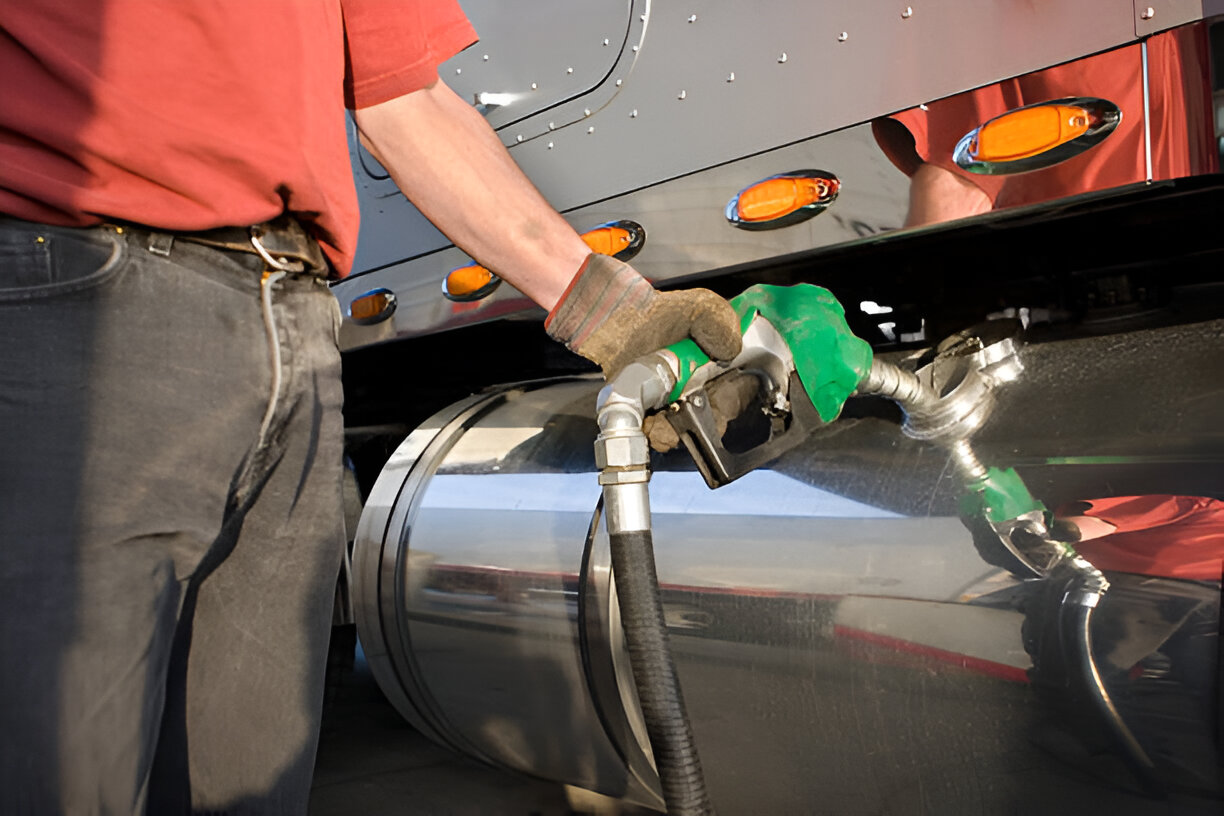
Dispensing equipment maintenance includes regular calibration to ensure accurate fuel delivery and proper functioning of emergency shutoffs and spill prevention equipment. Hose and nozzle assemblies should be inspected for wear and replaced before they fail and create spill risks.
Level monitoring systems require calibration and testing to ensure accurate inventory tracking and leak detection. Electronic monitoring systems should be tested monthly, with particular attention to probe cleaning and calibration verification. Mechanical gauges need regular inspection to ensure they’re reading accurately and haven’t been damaged by fuel contamination or temperature extremes.
Vapor recovery systems on larger tanks need regular inspection and maintenance to comply with environmental regulations and prevent fuel losses. These systems include pressure relief valves, flame arrestors, and vapor monitoring equipment that must function properly to prevent environmental violations.
Environmental Compliance and Documentation
Regulatory compliance for diesel storage tanks involves multiple layers of federal, state, and local requirements that change periodically. Spill prevention plans must be updated regularly and all personnel trained on proper procedures. Secondary containment systems require regular inspection and testing to ensure they can handle the required volume in case of tank failure.
Record keeping is essential for demonstrating compliance and tracking tank performance over time. Maintenance logs should document all inspections, repairs, fuel quality tests, and system upgrades. These records are crucial during regulatory inspections and can help identify patterns that predict equipment problems.
Leak detection systems must be tested regularly and documentation maintained to prove compliance with environmental regulations. Underground tanks typically require monthly leak detection testing, while above-ground tanks may have different requirements depending on size and location.