Table of Contents
- Understanding Radon and Its Risks
- Testing Your Home for Radon
- Sealing Cracks and Openings
- Improving Home Ventilation
- Installing Radon Mitigation Systems
- Regular Monitoring and Maintenance
- Consulting Professionals
- Conclusion
Radon is an invisible, odorless radioactive gas that can silently pose a threat to the safety of your home. While it is natural for radon to be present at low levels outdoors, it can become highly concentrated indoors putting families at risk for diseases such as lung cancer. Homeowners have more power than they realize in reducing radon levels in your home and creating a safe environment for everyone under their roof.
Understanding the health risks and adopting effective mitigation strategies can make all the difference. With proactive testing, targeted improvements to your home, and the right professional guidance, you can achieve peace of mind that your home is protected from this invisible hazard. Simple actions today can greatly lower your long-term risk.
Addressing radon is not only about preventing future health problems; it is an essential aspect of home maintenance that responsible homeowners should prioritize. By following a structured approach to testing, mitigation, and maintenance, you can minimize exposure and ensure your home remains a safe and healthy environment for your family. This guide provides practical, step-by-step information to help you confidently assess and reduce radon levels, thereby protecting your family’s long-term health. The following actionable steps are designed to help you evaluate your home’s vulnerability and make informed improvements.
Understanding Radon and Its Risks
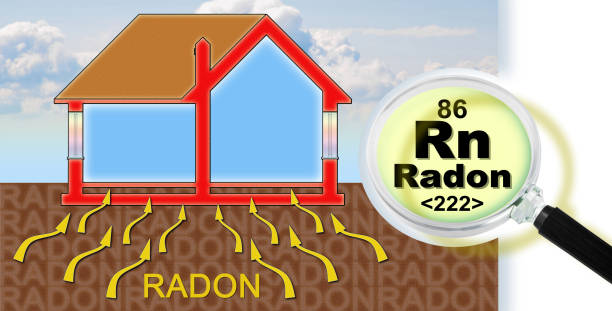
Radon forms naturally when uranium breaks down in soil, rock, and water. It commonly enters homes through cracks in foundations, construction joints, or gaps around drains and utility pipes. Indoors, radon can accumulate to dangerous levels that aren’t detectable without testing tools.
Prolonged exposure to elevated radon is the second leading cause of lung cancer in the United States, according to the Centers for Disease Control and Prevention (CDC). Radon-related lung cancer causes approximately 21,000 deaths each year nationwide. Since radon is colorless and odorless, routine testing is the only way to know your home’s radon status.
Testing Your Home for Radon
The first step in protecting your household is straightforward: test your home for radon. DIY radon test kits are inexpensive and widely available at home improvement stores and online. Some county health departments offer them free or at a discounted rate. Follow the test kit instructions closely for accurate results, which typically require placement in the lowest occupied area for several days.
The Environmental Protection Agency (EPA) recommends taking action if test results indicate levels at or above four picocuries per liter (pCi/L). Radon levels can vary by season and location within your home, so consider retesting after renovations or if initial results are borderline.
Sealing Cracks and Openings
Sealing entry points is a cost-effective first step for those with mildly elevated radon readings. Use caulk or latex sealant to close foundation cracks, gaps where utilities enter, floor joints, and exposed soil in crawl spaces. Installing airtight covers over sump pumps and floor drains can also hinder radon’s main entry routes. Though sealing helps reduce infiltration, it is more effective when paired with other mitigation strategies. Regularly inspect for new gaps or cracks and reseal as your home settles or ages. Addressing these vulnerabilities is a vital part of a multi-layered defense.
Improving Home Ventilation
Effective home ventilation is key to diluting and expelling radon gas from indoor spaces. By opening basement or ground-level windows and using fans, you can help move radon-laden air outdoors and lower its concentration. However, natural ventilation alone is rarely enough in homes with elevated levels especially in cold-weather climates where windows can’t remain open for long periods.
The World Health Organization (WHO) advocates for improved ventilation as a complementary measure to active radon mitigation. Good airflow and regular HVAC maintenance also contribute to overall healthier indoor air quality.
Installing Radon Mitigation Systems
If your radon levels remain high after basic steps, a radon mitigation system is typically the most effective long-term solution. The most widely recommended method is sub-slab depressurization: a series of pipes and a fan draw radon from beneath the foundation before it can enter your living space and vent it safely above the roofline. Other techniques include drain tile suction, sub-membrane depressurization for crawl spaces, or even custom solutions for unique home layouts. Most radon mitigation systems are quiet, energy efficient, and have a minimal impact on your home’s appearance. Qualified professionals should handle installation to ensure compliance with building codes and maximize safety and effectiveness.
Regular Monitoring and Maintenance
Radon mitigation is an ongoing process, not a one-time fix. Once a mitigation system is installed, routine monitoring ensures that it continues to work as designed. The Minnesota Department of Health advises retesting every two years, or whenever you make structural changes such as basement renovations, chimney repairs, or new additions that could alter air movement and radon entry.
Take time to schedule regular inspections and service for fan-based mitigation systems. Keep logs of test results to detect trends and address emerging issues before they can impact your household’s safety.
Consulting Professionals
Some radon reduction measures are suitable as do-it-yourself projects, but hiring a certified radon professional is strongly recommended for accurate assessment and system installation. Qualified professionals can diagnose complex radon entry problems, suggest comprehensive solutions, and perform specialized work such as active soil depressurization (ASD). Look for providers certified by the National Radon Proficiency Program (NRPP) or the National Radon Safety Board (NRSB), and request references to ensure you receive expert assistance tailored to your home’s unique needs.
Conclusion
Understanding and addressing indoor radon is an essential aspect of home health and safety. Testing, sealing, ventilating, professional mitigation, and regular monitoring all work together to reduce your risk and provide peace of mind significantly. Take action today to reduce radon levels in your home and protect your family’s well-being now and in the future.