Key Takeaways
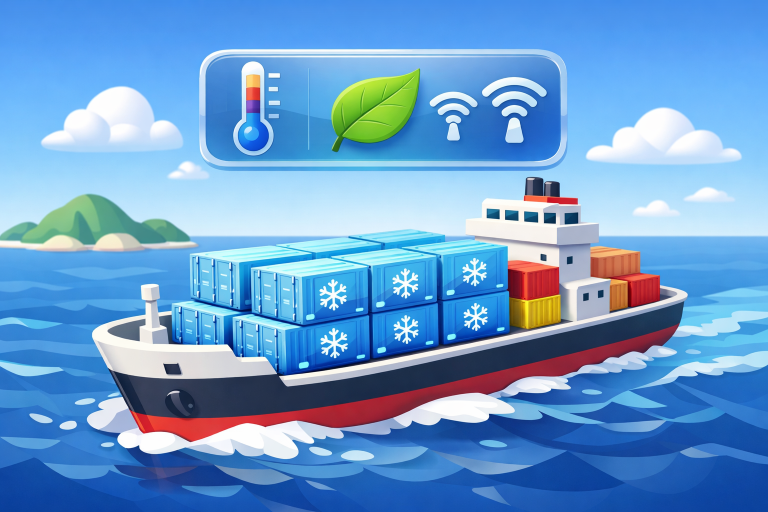
- Advancements in marine refrigeration are enhancing operational efficiency and sustainability in the shipping industry.
- Innovative technologies are improving cargo preservation and reducing environmental impact.
- Integration of smart systems allows for real-time monitoring and control of refrigeration units.
Table of Contents
- Introduction
- Advancements in Marine Refrigeration
- Impact on Operational Efficiency
- Enhancing Cargo Preservation
- Environmental Sustainability
- Smart Monitoring and Control Systems
- Case Studies
- Conclusion
Introduction
The global shipping industry constantly evolves as vessel operators seek to optimize operations, cut costs, and meet stringent environmental regulations. Among these advancements, marine refrigeration technology stands out for revolutionizing how ships manage perishable goods and energy consumption. Innovations in refrigeration not only secure the safety and quality of cargo but also play a pivotal role in streamlining shipboard processes and fostering greener practices within the sector. The reliability and efficiency of modern systems are rooted in the quality of foundational equipment such as compressors, condensers, and a wide range of essential marine engine room parts that are specially designed to withstand rugged marine environments. For vessels carrying refrigerated cargo, whether food, pharmaceuticals, or other perishables, maintaining specific temperature ranges is not just a technical challenge but a commercial imperative. Emerging technologies in marine refrigeration systems offer precise temperature control and real-time monitoring, providing shipping companies with peace of mind while optimizing route planning and energy consumption.
Recent years have seen exponential growth in the adoption of innovative refrigeration practices, as regulatory bodies and customers demand safer transportation standards and lower environmental impact. These factors are converging to push the industry toward smarter, more sustainable solutions, enhancing long-term profitability and global supply chain integrity. Technological integration extends beyond refrigeration itself. By uniting advanced cooling systems with digital monitoring, ship operators can avoid unexpected failures, reduce operating costs, and ensure prompt intervention when necessary. This not only streamlines maintenance but also supports extended system longevity.
Advancements in Marine Refrigeration
Over the past decade, the marine industry has experienced a surge in refrigerated transport developments. New refrigeration units are more compact, resilient against saltwater corrosion, and designed for energy conservation. These improvements are largely thanks to advanced thermodynamic designs, better insulation materials, and the transition to intelligent electronic controls, which allow operators to program and automate settings based on cargo requirements and operating conditions. Progress in automated defrosting cycles, variable-speed compressors, and remote diagnostics has allowed modern marine refrigerators to operate more efficiently under fluctuating load conditions. Modular system designs cater to space constraints aboard ships while ensuring optimal performance. Notably, more efficient heat exchangers and refrigerant recovery systems diminish energy wastage and help vessels stay compliant with evolving environmental standards.
Impact on Operational Efficiency
Operational efficiency on board is directly linked to how effectively refrigeration systems function. With the introduction of energy-efficient compressors and digital thermostatic expansion valves, significant savings are being realized in fuel and electricity costs. Modern systems are engineered to handle fluctuating ambient temperatures without causing energy spikes or requiring frequent intervention from engineering staff. These features are central to lowering the total cost of ownership and extending intervals between routine maintenance checks. Centralized monitoring and predictive maintenance tools now allow ship engineers to track the performance of refrigeration units from a single interface. Early identification of irregularities can help prevent critical system failures that might otherwise lead to cargo spoilage or voyage delays. Furthermore, these operational improvements contribute to enhanced safety standards, aligning with international maritime requirements and reducing unnecessary expenditures along shipping routes.
Enhancing Cargo Preservation
Cargo preservation is pivotal for commercial success and customer satisfaction, especially for temperature-sensitive goods such as seafood, fruits, or pharmaceuticals. Advances in refrigeration have enabled greater control over humidity and temperature, reducing the risk of product degradation during transoceanic journeys. Multi-zone refrigeration systems allow for the simultaneous transport of different cargo types with variable temperature requirements, minimizing cross-contamination risks and maximizing vessel utilization rates. Utilizing sensors and data loggers, shipping companies can document cargo conditions throughout the voyage. This not only supports insurance claims in case of damage but also ensures compliance with international standards such as those set forth by the Food and Agriculture Organization and the World Health Organization. Sophisticated alarm and notification systems further ensure immediate intervention if cargo conditions deviate from preset parameters.
Environmental Sustainability
The maritime industry is under increasing pressure to reduce greenhouse gas emissions and improve resource management. The aggressive movement toward low Global Warming Potential (GWP) and non-ozone-depleting refrigerants, like R744 and R1234yf, underscores the industry’s intent to minimize environmental impact. Additionally, improved insulation materials and energy recovery systems further reduce the carbon footprint of refrigerated transport. By embracing these eco-friendly refrigeration solutions, shipping companies can align with sustainability initiatives such as the International Maritime Organization’s goal to halve shipping’s greenhouse gas emissions by 2050. Reduced energy demands also lessen the strain on shipboard power generation, contributing to overall vessel efficiency.
Smart Monitoring and Control Systems
The digital revolution has firmly taken hold in marine refrigeration through the use of neural networks, cloud-based analytics, and Internet of Things (IoT) devices. These smart systems empower operators to monitor cargo temperatures, compressor cycles, and energy consumption levels in real time, from anywhere in the world. The combination of predictive algorithms and real-time data analytics ensures immediate alerts and actionable insights, enabling ships to avoid unplanned downtime and optimize maintenance schedules. Smart refrigeration control systems are frequently integrated with fleet management software, allowing for long-term data archiving and regulatory reporting. Ultimately, these tools make shipboard logistics more transparent, traceable, and responsive to evolving safety protocols and client demands.
Case Studies
Success stories abound, demonstrating the tangible impact of modern marine refrigeration. A notable example is the collaboration between ABB and Arkitech, which led to remarkable HVAC efficiency gains aboard the MSC Magnifica. The project achieved up to a 12 percent increase in chiller efficiency and generated monthly energy savings of 100 MW. This initiative highlights how ship operators can leverage targeted system upgrades for immediate operational benefits. Similarly, the partnership between Lloyd’s Register, CoolCo, and HD Hyundai Marine Solution facilitated the successful retrofit of a reliquefaction system on the Kool Glacier LNG carrier. This project not only improved operational efficiency and reduced energy consumption but also served as a blueprint for upgrading aging fleets. Such implementations are guiding the industry toward a more sustainable and technologically advanced future. Learn more
Conclusion
Marine refrigeration technologies are transforming vessel operations by integrating energy efficiency, system reliability, and environmental responsibility. By adopting modern refrigeration systems, vessel operators can significantly improve cargo integrity, operational safety, and sustainability. As the industry accelerates toward digitalization and stricter regulatory compliance, the role of advanced refrigeration and smart control solutions will only grow. Ultimately, these innovations position the maritime industry to build a more resilient, efficient, and eco-conscious future for global trade.