Key Takeaways
- Advanced Driver Assistance Systems (ADAS) are improving road safety and comfort for drivers.
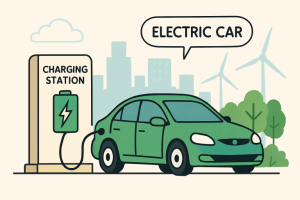
- Electric vehicles are gaining momentum with greater range and rapid charging capabilities.
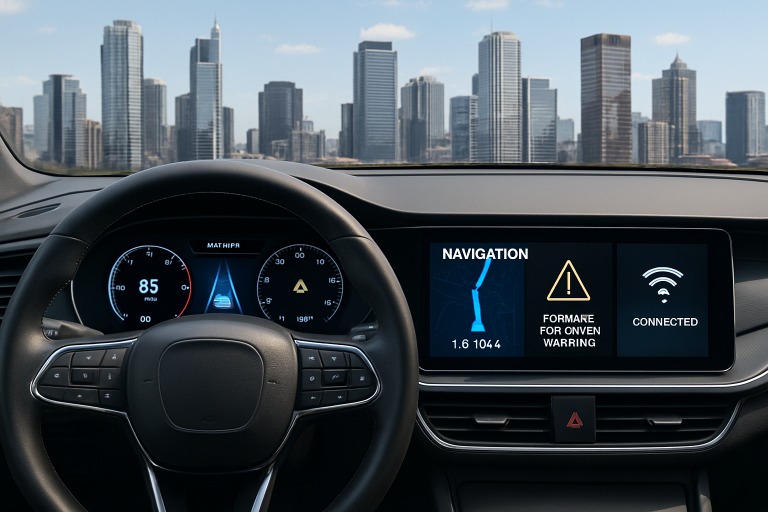
- Augmented reality displays are transforming navigation and alert systems.
- Biometric authentication is setting new standards for vehicle security and personalization.
- Software-defined vehicles enable ongoing upgrades and digital features through over-the-air updates.
The landscape of automotive technology is advancing at a rapid pace, elevating driving to new heights of safety, convenience, and excitement. As manufacturers race to build smarter vehicles, drivers and enthusiasts alike are eager to experience cutting-edge features. Whether you’re searching for the latest in performance vehicles or exploring Orlando Ram dealers, the future of motoring looks brighter and more dynamic than ever.
In today’s market, innovation isn’t just found in luxury showrooms—it’s becoming a staple across many vehicle segments. From fully electric SUVs to AI-powered safety systems and immersive digital dashboards, the auto industry is redefining what’s possible on four wheels. New technologies are not only making cars safer and more intuitive but are also responding to drivers’ desire for sustainability and enhanced connectivity.
Technological innovation is not only shaping the driving experience but also transforming the way cars interact with drivers and the world around them. Today’s advancements ensure vehicles are intelligent, intuitive, and connected, providing motorists with a seamless blend of safety, efficiency, and enjoyment behind the wheel. As consumer demand grows, the automotive industry continues to evolve making high-tech features more accessible and redefining what drivers expect from their vehicles.
If your next adventure involves off-road fun, open-air driving, or the latest in rugged technology, there are many great options for exploring at Jeep dealers in Florida.
Advanced Driver Assistance Systems (ADAS)
Advanced Driver Assistance Systems (ADAS) represent one of the most impactful transformations in vehicle safety. Powered by sophisticated sensors, cameras, and radar, ADAS encompasses features such as adaptive cruise control, lane-keeping assist, blind-spot detection, traffic sign recognition, and automatic emergency braking. Systems like these are increasingly standard in mainstream models, not just limited to premium vehicles.
For example, Ford’s BlueCruise system provides true hands-free capability on thousands of miles of mapped highways across North America, making long-distance travel both safer and less fatiguing for the driver. Similarly, brands such as Honda and Mercedes-Benz are embedding ADAS to anticipate hazards and help minimize collision risks, with many vehicles earning top safety scores thanks to these technologies. As the technology matures, the path toward fully autonomous vehicles is becoming clearer, with rich data and analysis fueling future breakthroughs.
Electric Vehicle Advancements
Electric vehicles (EVs) are no longer the future they are the present, and every year brings significant improvements. Many of today’s EVs deliver ranges of over 300 miles on a single charge, reducing range anxiety and making electric power practical for everyday driving as well as long-distance journeys. Innovations in battery chemistry and architecture have led to faster charging times, with new ultra-fast charging networks popping up nationwide.
One of the most remarkable developments is vehicle-to-grid (V2G) technology, which transforms EVs into mobile energy resources. With V2G, vehicles can send stored energy back to homes or the local grid during periods of high demand, boosting efficiency and supporting broader clean energy goals. Automakers such as Tesla and Ford are at the forefront of these advancements, furthering the transition toward a cleaner, more resilient grid.
Augmented Reality Displays
Augmented reality (AR) head-up displays (HUDs) are revolutionizing how drivers interact with on-road information. By projecting vital data like turn-by-turn navigation, speed, and safety alerts directly onto the windshield, AR HUDs help keep the driver’s eyes on the road and hands on the wheel. This technology transforms windshields into dynamic information hubs, improving both convenience and situational awareness.
Advanced systems are now integrating real-time hazard detection that visually highlights obstacles, upcoming turns, and even pedestrians. By simplifying the flow of information, AR displays reduce cognitive overload and can potentially decrease driver reaction times, lending another layer of safety to modern cars.
Biometric Authentication
Biometric authentication is another significant leap in vehicle convenience and protection. By leveraging technologies such as facial recognition, iris scanning, and fingerprint sensors, manufacturers are making it easier for owners to access their vehicles securely. Instead of fumbling with keys or fobs, drivers can unlock and start their vehicles with a simple glance or touch.
These systems also enable ultra-personalized experiences seats, mirrors, climate controls, and infotainment all automatically adjust to preset preferences based on the driver’s unique profile. It’s a seamless combination of security and luxury, with growing adoption anticipated across all vehicle segments.
Software-Defined Vehicles (SDVs)
Software-Defined Vehicles (SDVs) signify a shift from static mechanical hardware to digital innovation and flexibility. Automakers now deliver critical software updates wirelessly, fixing bugs, enhancing performance, or introducing new features and subscription services without the need for dealership visits.
This software-centric approach allows vehicles to evolve after purchase, adapting to user preferences, changing regulations, and emerging technologies. Automakers are investing heavily in cybersecurity and cloud infrastructure to ensure safe implementation of these ongoing changes.
Conclusion
The automotive industry is ushering in a new era defined by transformative, user-centric innovations. As safety, efficiency, and digital intelligence become core features, vehicles are evolving into platforms that connect, protect, and empower drivers like never before. Whether you’re exploring off-road with the latest tech or simply seeking a more connected everyday commute, these trends promise a smarter, safer, and more enjoyable future behind the wheel.