Key Takeaways for Homeowners and Property Managers
- Proactive maintenance is far more cost-effective than roof replacement.
- Routine inspections catch small issues before they turn into expensive repairs.
- Choosing the right roofing materials and eco-friendly practices maximizes longevity.
- Sustainable upkeep benefits your finances and the environment.
- Partnering with qualified professionals when needed protects your investment and safety.
Why Roof Lifespan Matters
Replacing a roof is a property owner’s most significant expense, with costs often running into tens of thousands of dollars. Frequent roof replacements can severely strain homeowners’ and property managers’ budgets. Instead, focusing on regular roof maintenance helps preserve your investment, keeps your building structurally sound, and can save considerable money in the long run. Scheduled upkeep minimizes disruption and protects your property from water damage or energy inefficiency.
Maintaining your roof through scheduled inspections and repairs like those provided by https://jrcousa.com/repair-service/ can extend its lifespan by years. Well-maintained roofs increase your property’s value and appeal, whether you plan to stay for decades or prepare for a future sale. Additionally, maximizing your roof’s usable life means fewer materials sent to landfills, lowering your property’s environmental impact over time.
The Critical Role of Regular Inspections
Regular roof inspections are crucial for early detection of wear and tear. You can avoid substantial repair costs by catching issues like leaks, cracked or missing tiles, and blocked gutters before they escalate. Routine checks also help spot problems with flashing, excessive shingle granule loss, and poor attic ventilation all of which can shorten roof lifespan if left untreated.
According to the U.S. Department of Energy, professional assessments are highly effective at identifying trouble spots that might not be visible to untrained eyes. Inspections after extreme weather and at least once a year create a baseline for maintenance, helping you make informed decisions about needed repairs.
Preventative Measures for Common Roof Problems
Preventative maintenance keeps your roof performing its best and significantly reduces the risk of unexpected damage. Here are essential strategies:
- Gutter Cleaning: Clear gutters of leaves, twigs, and buildup at least twice annually and after major storms to prevent water from pooling on your roof.
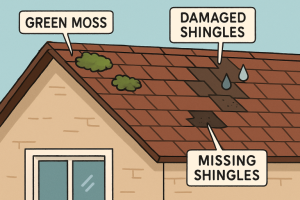
- Debris Removal: Remove branches, moss, and other debris that can trap moisture against the roof surface or damage shingles.
- Moss and Algae Control: Apply treatments as needed and trim overhanging trees to limit shade, moisture, and organic growth.
- Vegetation Management: Prune plants away from the roof and check for roots or vines that could damage the structure.
Use this seasonal maintenance checklist to stay proactive:
- Spring: Inspect for winter damage, clear debris, and check for leaks.
- Summer: Inspect flashing and look for signs of sun damage and algae.
- Fall: Clean gutters and remove accumulated leaves and moss.
- Winter: Remove heavy snow from flat roofs and look for ice dam formation.
Signs Your Roof Needs Immediate Attention
Knowing when your roof needs prompt repair is key to avoiding major issues. Warning signs that require immediate attention include:
- Missing, curling, or cracked shingles
- Noticeable sagging or uneven areas
- Dark streaks or visible mold/mildew
- Excess granule build-up in gutters
- Obvious water stains on ceilings or attic rafters
You can safely spot these problems from the ground by walking around your property and using binoculars to look for irregularities. However, significant issues such as sagging, widespread leaks, or granule loss are best left to professionals for safety and accuracy.
How Roofing Materials Influence Longevity
Different roofing materials offer varying lifespans and levels of durability. Asphalt shingles, the most common residential choice, typically last 20 to 25 years. Metal roofs can easily exceed 40 years with proper care, while tile and slate roofs often last 50 years or more. Regardless of the type, the local climate such as harsh winters or salty sea air impacts how long each material performs optimally.
Industry best practices support choosing materials suited to your environment. As outlined in HouseLogic: Roof Maintenance & Repair Tips, selecting materials designed for your region not only enhances roof resilience but also ensures long-term cost savings through fewer replacements. Work with qualified roofing contractors who can recommend options based on local weather patterns and property needs.
Sustainable Roof Maintenance Practices
Eco-friendly roof maintenance offers financial, environmental, and comfort benefits. Adopting sustainable routines, such as repairing instead of replacing materials and using environmentally safe cleaning agents, reduces waste and prolongs roof life. Cool roofing systems, reflective coatings, and improved attic insulation mitigate heat buildup, lowering energy bills and decreasing wear on roofing surfaces.
Many businesses and communities lead by example, significantly reducing waste and extending roof lifespans by investing in regular preventive care rather than costly replacements.
When to Consult a Roofing Professional
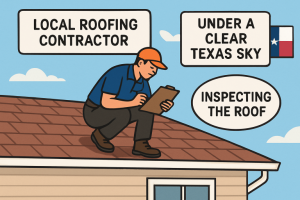
Knowing your limits helps avoid bigger problems. While basic maintenance like clearing gutters can be safely done by diligent homeowners, issues such as structural sag, persistent leaks, or storm damage demand expertise. If you’re uncertain whether an issue is severe, schedule a professional inspection. During a professional visit, expect a thorough internal and external assessment, photo documentation, and a prioritized repair plan.
Timely action on small problems makes a significant difference. Delaying repairs can allow water intrusion and rot, leading to larger restoration bills. Prioritize fixes early for maximum savings and peace of mind.
Summary of Proactive Steps
Proactive roof maintenance involves biannual inspections, debris removal, and active plant growth control. It also involves monitoring damage, arranging professional assistance, selecting materials based on the local climate, and investing in sustainable upgrades. Thus, proactive roof maintenance offers long-term financial and environmental benefits.