Key Takeaways
- Annual inspections and regular upkeep prevent minor roofing issues from escalating.
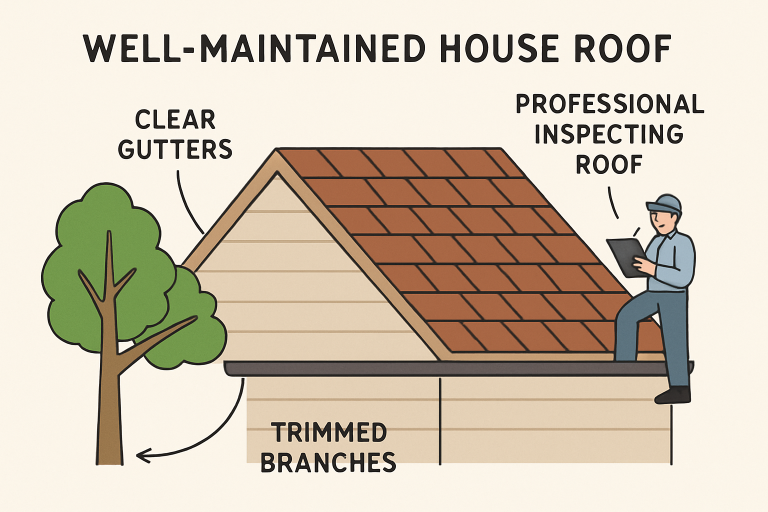
- Clean gutters and trimmed branches keep water and debris from undermining your roof’s structure.
- Tackling moss and algae growth as soon as it appears preserves the integrity of roofing materials.
- Attic ventilation is essential for managing moisture and temperature extremes.
- Immediate attention to minor repairs helps avert significant future damage and expense.
Table of Contents
- Schedule Regular Roof Inspections
- Keep Gutters and Downspouts Clean
- Trim Overhanging Branches
- Address Moss, Lichen, and Algae Growth
- Ensure Proper Attic Ventilation
- Repair Minor Issues Promptly
- Clean Roof Debris Regularly
- Invest in Professional Maintenance
Protecting your home starts from the top. Regular roof maintenance not only enhances curb appeal but also fortifies your property against the elements. By adopting a proactive approach, you reduce the risk of expensive repairs and maximize your roof’s lifespan. Homeowners seeking reliable home protection from storm damage know that prevention is more effective and affordable than fixing major problems after they appear.
Proactive maintenance also enhances your home’s energy efficiency and prevents minor issues from escalating into costly headaches. Whether you’re a new homeowner or have lived under the same roof for years, understanding what to do and when can make a big difference in safeguarding your investment. Regular care empowers you to spot vulnerability early, take corrective action, and enjoy lasting peace of mind.
Schedule Regular Roof Inspections
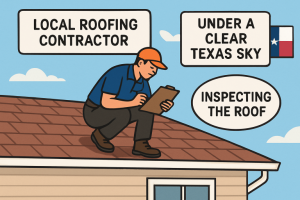
Identifying minor roofing issues before they become major repairs is the core of smart home care. Plan a professional inspection once a year, especially for roofs that are older than 15 years. Trained eyes can spot missing or deteriorating shingles, damaged flashing, soft spots, and evidence of leaks you may overlook. Early detection not only saves money but also prevents secondary problems, such as mold or interior water damage.
For more guidance on what to look for during inspections, resources from significant HouseLogic’s roof maintenance checklist are invaluable for homeowners.
Keep Gutters and Downspouts Clean
Gutters play a vital role in directing rainwater away from your home. Clogged gutters cause roof runoff to pool and seep beneath shingles, rot fascia boards, damage siding, and eventually compromise your home’s foundation. Plan to clear gutters and downspouts of leaves and debris every spring and fall, as well as after major storms. Downspout extensions should redirect water at least three feet away from the building.
Trim Overhanging Branches
Trees offer shade and beauty, but branches left untrimmed pose significant risks to your roof. Overhanging limbs can gouge shingles during high winds or drop large branches during storms. They also create a pathway for rodents and insects. Experts recommend keeping all tree limbs at least six feet away from the roof line. Not only does this reduce the risk of physical damage, but it also limits the accumulation of debris that can hasten rot and decay.
Address Moss, Lichen, and Algae Growth
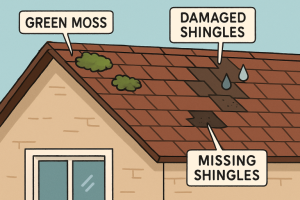
Shady or humid roofs are prone to the growth of moss, lichen, and algae. These invaders retain moisture against the surface, accelerating the decay of roofing materials. Moss-removal brushes and roof-safe cleaners can be effective, while zinc or copper strips installed along the ridge can inhibit growth over time never power wash your roof, as this can damage shingles.
A thorough overview of safe, effective roof cleaning can be found at Family Handyman’s roof moss removal guide.
Ensure Proper Attic Ventilation
Poor attic ventilation allows heat and moisture to accumulate, creating conditions that can warp the roof decking, promote mold growth, and significantly reduce the lifespan of your shingles. Without proper airflow, your attic becomes a trap for warm, humid air that gradually damages structural components and invites costly repairs. Regularly check that soffit and ridge vents remain unblocked, clean, and fully functional. When ventilation works as intended, it stabilizes attic temperatures, improves energy efficiency, reduces strain on your HVAC system, and helps preserve the long-term integrity of your roofing system.
Repair Minor Issues Promptly
Even small problems, such as cracked shingles, minor leaks, or lifted flashing, deserve immediate attention. Moisture intrusion is relentless and will exploit even the tiniest entry point over time. A simple patch or sealant today may prevent expensive structural repairs later. Document all repairs done and monitor those areas for recurring issues.
Clean Roof Debris Regularly
Leaves, twigs, and other debris that build up on your roof don’t just look unsightly they create hidden pockets where moisture can collect, and pests can nest. Over time, this trapped water can weaken roofing materials, while decomposing debris may block drainage paths, increasing the likelihood of leaks during heavy rain. Regular upkeep helps prevent these issues. Using a roof rake or soft broom, gently clear away loose debris at least twice a year. Always check your roof after storms to maintain proper protection.
Invest in Professional Maintenance
In addition to your own efforts, schedule periodic professional maintenance to ensure optimal performance. Roofing specialists offer in-depth inspections, thorough cleaning, and repairs that aren’t always practical (or safe) as DIY projects. They’re also equipped to spot early warning signs that most homeowners miss, which can save you thousands of dollars over the lifespan of your roof.
Proactive maintenance not only strengthens your roof but also ensures the safety and comfort of those inside. By following these steps, you protect your investment, ensure the longevity of your home, and reduce the likelihood of disruptive damage. Contact roof maintenance experts to keep your roof and your peace of mind strong season after season.